


The bench press should primarily challenge your chest — so if your shoulders are dominating, something is off with your setup or technique. Grip width, bar path, elbow flare, scapular engagement, and muscle imbalances are the most common culprits. Here’s a thorough breakdown of why you feel bench press in your shoulders and the practical adjustments that will shift the focus back to your pecs.
Forearm Pain When Doing Lateral Raises? 11 Tips To Fix Issue

Lateral raises are a shoulder exercise — so forearm pain during the movement is a sign that something in your technique or conditioning needs attention. A tight grip, excessive wrist flexion, locked elbows, too much weight, and lack of warm-up are among the most common culprits. Here are eleven specific causes of forearm pain during lateral raises and the targeted fixes for each one.
Why Is My Leg Press So Much Stronger Than My Squat? Find Out Here
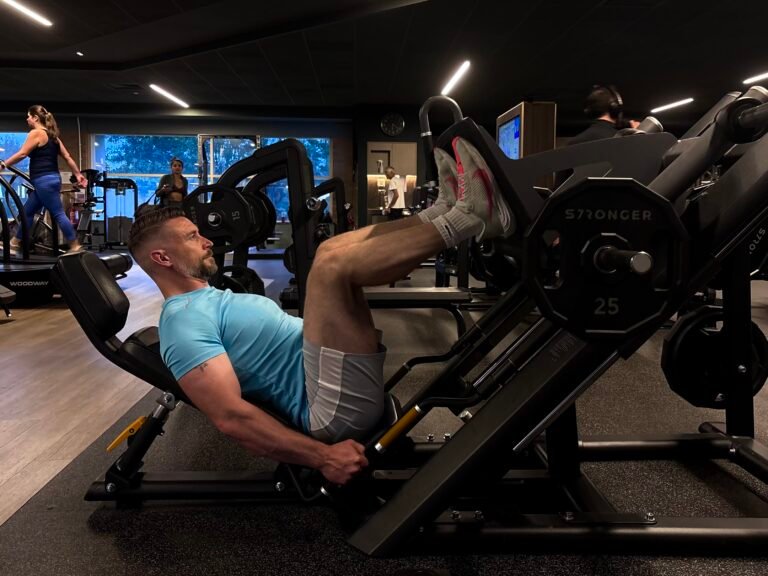
A significant gap between your leg press and squat numbers is extremely common — and it’s not a sign that something is wrong. The two exercises are fundamentally different in terms of stability requirements, CNS demand, body weight loading, range of motion, and the muscles they recruit. Here’s a clear breakdown of why your leg press is so much stronger than your squat and what to do to close the gap.
Are Hanging Leg Raises Enough For Abs? Find Out Here
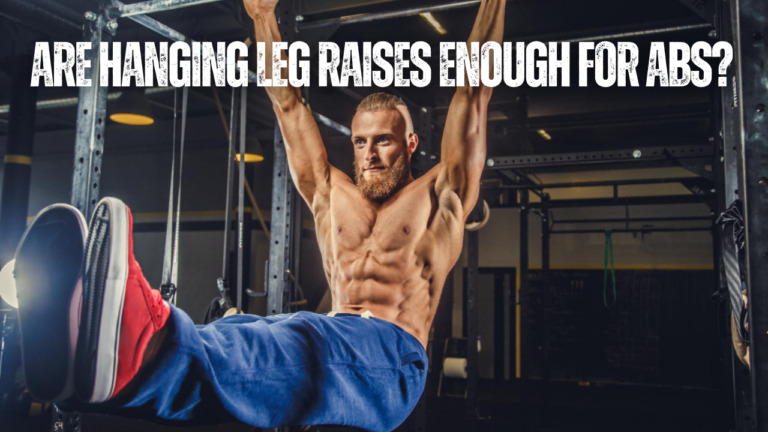
Hanging leg raises are one of the most effective core exercises available — targeting the lower abs, obliques, hip flexors, and building grip strength simultaneously. But whether they’re enough on their own depends on your goals. Here’s an honest assessment of what hanging leg raises deliver for your abs, and what you’d need to add to achieve a complete, well-rounded core programme.
Why Does My Body Lose Muscle So Quickly? 11 Factors To Consider

Muscle loss can happen faster than most people realise — and it’s rarely down to just one cause. Inactivity, poor nutrition, age, genetics, medical conditions, and metabolic factors can all accelerate the process. Here are eleven specific factors that contribute to rapid muscle loss, with practical guidance on what you can do to prevent it and start rebuilding.
Why Are Pull Ups So Tiring? 16 Factors To Consider
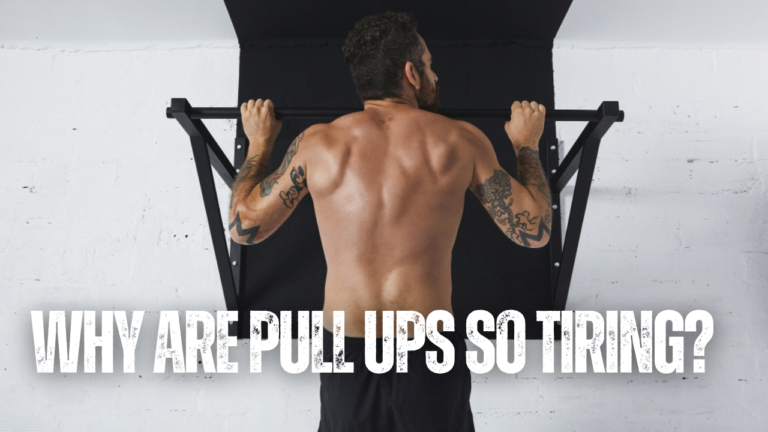
Pull-ups are one of the most demanding exercises you can do — and the fatigue they cause is completely justified. You’re lifting your entire body weight against gravity using multiple muscle groups simultaneously, with no rest between each rep. Here are sixteen specific factors that make pull-ups so tiring, from grip fatigue and breathing technique to endurance gaps and form errors, along with what you can do about each one.
Are Dips Effective For Building Triceps? Answers Here

Dips are one of the most effective exercises you can do for tricep development — they target all three heads of the muscle, allow for progressive overload, and build functional pressing strength simultaneously. Whether you’re a beginner using bodyweight or an experienced lifter adding resistance, dips deliver real results. Here’s exactly why dips work so well for building triceps and how to get the most from them.
Why Can’t I Bench Press As Much As Before? 16 Factors To Consider

A drop in bench press performance is one of the most frustrating setbacks in strength training — and it rarely comes down to just one cause. Overtraining, injuries, form issues, lack of progressive overload, poor recovery, and muscle imbalances can all contribute to a declining bench. Here are sixteen specific factors to consider if you can’t bench press as much as before, and practical fixes for each one.
Why Do I Feel Overhead Press In My Lower Back? 10 Tips To Fix Issue

Lower back involvement during the overhead press is one of the most common technique complaints in shoulder training — and it’s almost always a correctable issue. Weak or tight surrounding muscles, excessive back arch, poor bracing, reduced shoulder mobility, and lifting too heavy are the main culprits. Here are ten specific reasons why your lower back is taking strain during the overhead press and what to do about each one.
Why Do Knees Hurt After I Deadlift? 13 Reasons They Might
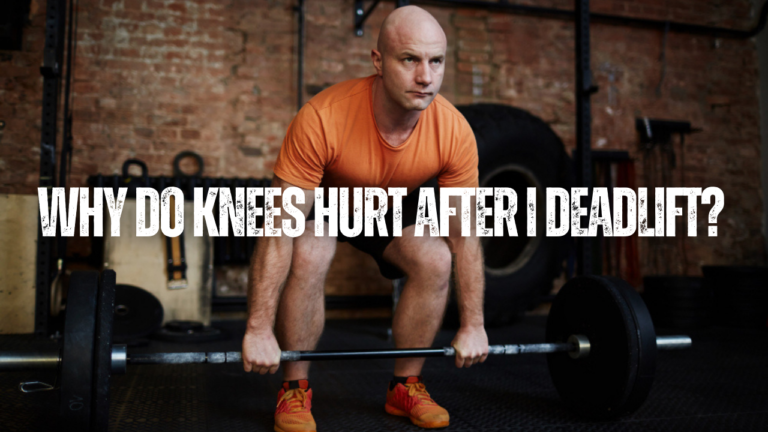
Knee pain after deadlifts is a sign that something in your technique, mobility, or load management needs addressing. From locking out the knees and poor hip drive initiation to excessive forward lean, stance issues, and previous injuries, there are multiple potential causes. Here are thirteen specific reasons why your knees hurt after deadlifts and exactly what to do about each one.