


A burning sensation in the throat after taking CBD is more common than most people realise — and it’s rarely a sign of anything serious. The cause is almost always related to the product itself, how it’s being used, or individual sensitivity. Here are eight specific reasons why CBD burns your throat and the practical adjustments that will make the experience far more comfortable.
The Pros and Cons To Lifting Everyday: What You Need To Know

Lifting weights every day sounds like a shortcut to faster gains — and for some people, it can be. But it also carries real risks around recovery, overtraining, and injury that are worth understanding before committing to a daily routine. Here’s a thorough, balanced look at the pros and cons of lifting every day and the key factors that determine whether it’s right for you.
Why Do I Feel Pull Ups In My Chest? All You Need To Know

Feeling your chest during pull-ups is more common than most people expect — and it’s usually just the pectoral muscles contributing to the pulling motion, which is completely normal. However, if it feels more like chest pain than muscle effort, it’s worth taking seriously. Here’s the full explanation of why you feel pull-ups in your chest, when it’s nothing to worry about, and how to refocus the exercise onto your lats.
Are Forearms Worth Training? All You Need To Know

Forearms are one of the most neglected muscle groups in training — yet they directly affect your grip strength, your performance in almost every upper body exercise, and your ability to handle everyday tasks. If your forearms are weak, everything else suffers. Here’s the case for making forearm training a priority and the most effective exercises to build real grip and forearm strength.
Why Do I Feel Push Ups In My Shoulders? 11 Factors To Consider

Push-ups should primarily challenge your chest and triceps — so if your shoulders are taking the strain, your form or muscle balance needs attention. Flared elbows, poor hand placement, weak core engagement, and muscle imbalances are among the most common culprits. Here are eleven specific factors that cause shoulder dominance in push-ups and exactly what to do about each one.
Why Are My Shoulders So Narrow? Uncovering the Factors and Strategies for Improvement

If your shoulders look narrow, you’re not alone — and it’s rarely just one thing causing it. Genetics, clavicle length, body composition, muscle fibre type, and training habits all play a role. The good news is that targeted training can make a significant visual difference regardless of your bone structure. Here’s a full breakdown of the factors behind narrow shoulders and the strategies to improve them.
Why Do I Feel Deadlifts In My Calves? Everything You Need To Know
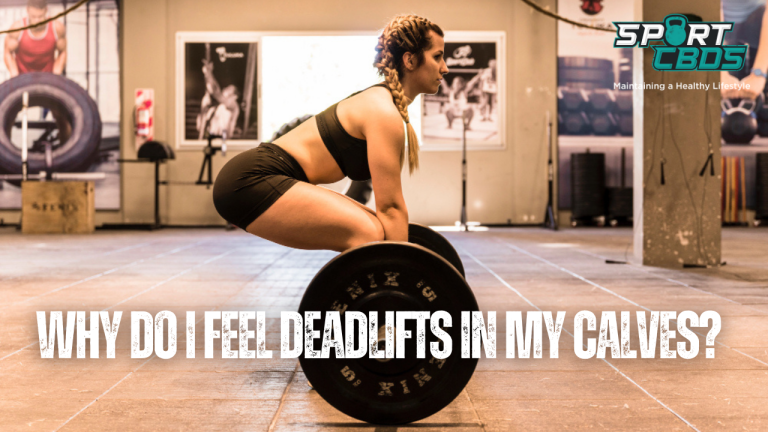
Feeling your calves during deadlifts isn’t what the exercise is designed for — and if they’re taking significant strain, something in your form, flexibility, or muscle balance needs attention. From sciatic nerve tension and fascial restrictions to barbell position and footwear, there are multiple potential causes. Here’s a thorough breakdown of why your calves are getting involved and the targeted fixes to address each one.
Are Leg Raises Better Than Sit-ups? Find Out Here

The leg raises vs sit-ups debate has been going on in fitness circles for years — and the honest answer is that neither is universally better. They target different parts of your core and serve different purposes. Your choice should come down to your goals, injury history, and what you’re actually trying to develop. Here’s a thorough comparison of both exercises to help you decide — or combine them effectively.
Why Do Shoulders and Chest Recover Faster Than Biceps and Triceps?

If you’ve noticed your chest and shoulders feel recovered well before your biceps and triceps do, you’re not imagining it. Muscle size, fibre type composition, how frequently those muscles are used in daily life, and the type of exercises that train them all contribute to the difference in recovery speed. Here’s the science behind why larger muscle groups recover faster and what it means for how you programme your training.
Why Do I Feel Pull Ups in My Forearms? (Causes and How to Fix It)

Your forearms are always involved in pull-ups to some degree — but if they’re dominating the exercise and fatiguing before your back does, something needs addressing. Grip strength, wrist position, body tension, form, and exercise order can all contribute to forearm overload during pull-ups. Here are eight specific factors to consider and the adjustments that will finally help you feel pull-ups where they’re supposed to be felt.