

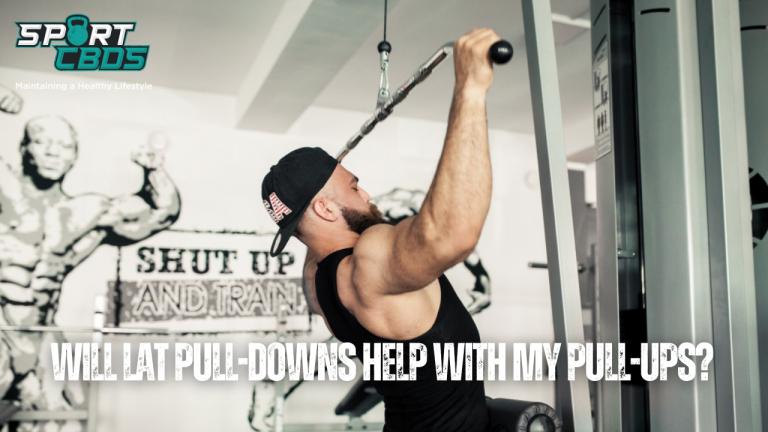
Lat pull-downs and pull-ups target the same primary muscles, but they’re not the same exercise — and the skills don’t transfer as directly as most people hope. Lat pull-downs are a great foundation builder, but to get better at pull-ups, you ultimately have to practise pull-ups. Here’s an honest breakdown of both exercises and a structured 3-phase programme to help you achieve your first unassisted pull-up.
Is It Better To Do Bicep Curls Standing or Sitting? Find Out Here

The standing vs seated bicep curl debate doesn’t have a single winner — it depends on what you’re training for. Standing curls engage more stabiliser muscles and challenge your balance, while seated curls offer better bicep isolation and stricter form. Here’s a full breakdown of both variations, their pros and cons, and how to incorporate each effectively into your routine.
Why Is My Inner Chest Not Growing? A Comprehensive Guide to Pectoral Development

The inner chest is one of the most frustrating areas to develop — and it’s rarely a genetics problem. Poor form, wrong exercise selection, lack of progressive overload, and failing to emphasise the squeeze at peak contraction are the most common culprits. Here’s a comprehensive guide to identifying what’s holding your inner chest back and the practical fixes to finally get it growing.
Is It Better to Do Shoulder Presses Standing or Sitting? The Definitive Guide
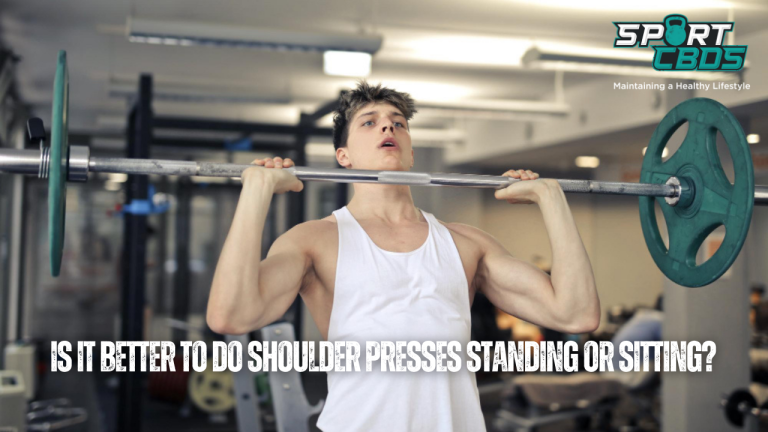
The standing vs seated shoulder press debate doesn’t have a clear winner — both have genuine advantages depending on what you’re training for. Standing presses engage more of the body and challenge core stability, while seated presses offer better shoulder isolation and reduced injury risk. Here’s a full breakdown to help you decide which belongs in your programme, or whether you should be using both.
Is One Leg Day a Week Enough? All The Answers Right Here

One leg day a week can work — but whether it’s enough depends entirely on what you’re training for. For strength maintenance it might be fine, but for muscle growth and athletic performance, most people need more frequency to see real progress. Here’s a thorough breakdown of leg training frequency, the factors that matter, and how to structure your leg days for the best results.
Why Does My Head Hurt When I Do Planks? Understanding the Causes and Solutions for Headaches

Headaches during planks are more common than most people realise — and they’re almost always caused by something fixable. Incorrect form, neck tension, poor breathing technique, dehydration, and blood pressure spikes during isometric holds are the main culprits. Here’s a clear explanation of what’s triggering your headaches and the practical adjustments that will let you plank without the pain.
Is it Beneficial to Go to the Gym Every Day or Every Other Day?

Whether you should train every day or every other day isn’t a question with a single right answer — it comes down to your goals, training intensity, and how well your body recovers. Both approaches can work, but understanding recovery, progressive overload, and how to structure your week is what separates progress from burnout. Here’s a practical guide to finding the gym frequency that actually works for you.
Why Do I Not Feel Pull-Ups in My Back? Unveiling the Secrets to Achieving Optimal Engagement

If you’re doing pull-ups but only feeling them in your arms, your back muscles aren’t doing the work they’re supposed to. The size of your back muscles makes them harder to connect with mentally, and grip technique, scapular retraction, and mind-muscle connection all play a crucial role. Here’s everything you need to know to finally feel pull-ups where it counts — in your lats.
What Happens If You Only Train Biceps? The Brutal Truth Awaits

Training only your biceps might seem like a shortcut to bigger arms, but the reality is far less appealing. Muscle imbalances, postural problems, overtraining injuries, and a plateau in progress are all likely outcomes. Here’s a thorough breakdown of what actually happens when you neglect every other muscle group in favour of bicep work — and why a balanced approach always wins.
What Are the Benefits of The Pause Bench Press? Everything You Need To Know

Adding a brief pause at the bottom of your bench press might seem like a small adjustment — but it delivers significant benefits. From eliminating the bounce that lets you cheat the lift, to increasing time under tension and improving bar path, the pause bench press is one of the most effective technique variations you can add to your chest training. Here’s everything you need to know to get started.