


The overhead press vs bench press debate has been running in gyms for decades — and while the bench press has its place, there’s a strong argument that the OHP delivers more across the board. From functional strength and shoulder health to core engagement and muscle recruitment, the OHP simply does more. Here’s the full case for why so many coaches and lifters rate the OHP above the bench.
Why Do Squats Give Me A Headache? All You Need To Know
Headaches during or after squats are frustrating — especially when you’re pushing hard and making progress. The causes range from the Valsalva maneuver and poor form to dehydration, low blood sugar, and sudden changes in blood pressure. Most squat-induced headaches are preventable once you understand what’s triggering them. Here’s a thorough breakdown of the causes, the difference between primary and secondary exercise headaches, and exactly what to do about it.
Why Do Lying Leg Raises Hurt My Back? Find Out Here
Lying leg raises are one of the most popular lower ab exercises — but lower back pain is an equally common companion. An arched lower back, incorrect leg height, over-reliance on the hip flexors, and weak core muscles are the main culprits. Here’s a clear explanation of why your back hurts during lying leg raises and the modifications, exercises, and technique adjustments that will protect your spine while still building a strong core.
Should I Cut in My First Year of Weightlifting? A Beginner’s Dilemma
The cut vs bulk debate is one of the first big decisions beginners face — and there’s no universal right answer. Your starting body fat percentage, training goals, and how your body responds to training all matter. Here’s a clear breakdown of the case for cutting and the case for bulking in your first year, so you can make a decision that actually fits your situation.
Are Shrugs, Bent Over Rows, and Deadlifts Enough to Build the Back?
Shrugs, bent over rows, and deadlifts are three of the most effective back exercises available — but do they cover everything you need for complete back development? Between them they hit the traps, lats, spinal erectors, and posterior chain, but there are gaps that pull-ups, chin-ups, and other movements can fill. Here’s an honest assessment of what these three exercises deliver and what to add for a truly well-rounded back.
Will My Arms Grow Enough Only Doing Compound Exercises? Find Out Here
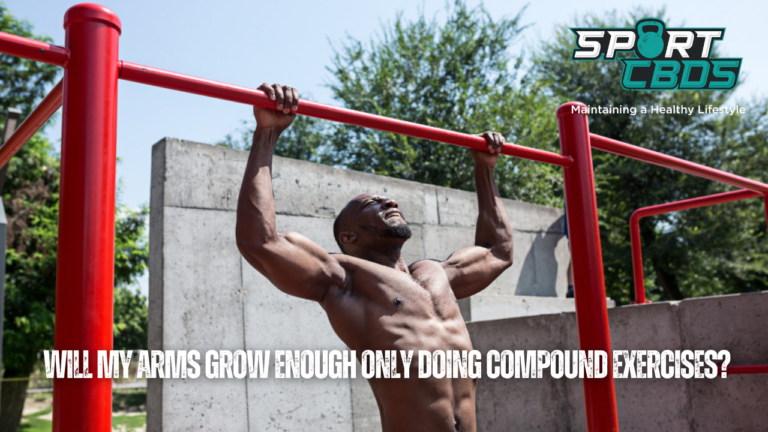
Compound exercises like pull-ups, rows, and bench press do stimulate the biceps and triceps as secondary muscles — and for beginners especially, this can drive meaningful arm growth. But whether compound work alone is enough depends on your goals, your current development, and how your arms are responding. Here’s the full picture on compound exercises and arm growth and when isolation work becomes necessary.
Is It Ok To Do Push Ups After Chest Day? 12 Crucial Factors To Consider
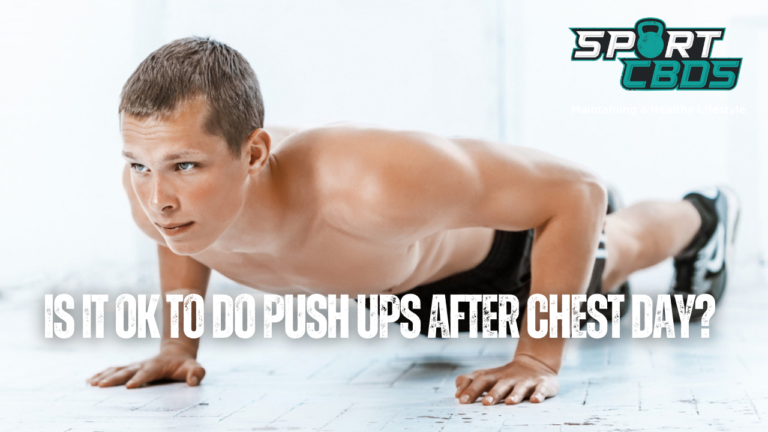
The push-ups-after-chest-day debate doesn’t have a simple yes or no answer — it depends on recovery capacity, training goals, exercise intensity, and how your body is responding. For some it’s fine, for others it’s counterproductive. Here are twelve specific factors to weigh up when deciding whether push-ups belong in your routine the day after an intense chest session.
Is Arnold Press Better Than Shoulder Press? Unlocking the Secrets to Massive Shoulders
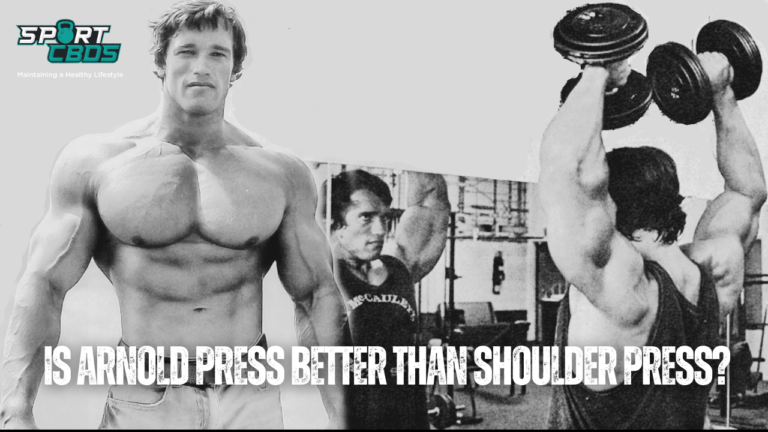
The Arnold Press and the standard shoulder press are both staples of shoulder training — but they’re not equal. The Arnold Press offers a greater range of motion, higher muscle activation across all three deltoid heads, and functional training benefits that the standard press doesn’t match. Here’s a full breakdown of both exercises, their pros and cons, and which one should take priority in your shoulder programme.
Why Do I Feel Deadlifts In My Hamstrings? 12 Crucial Things To Consider
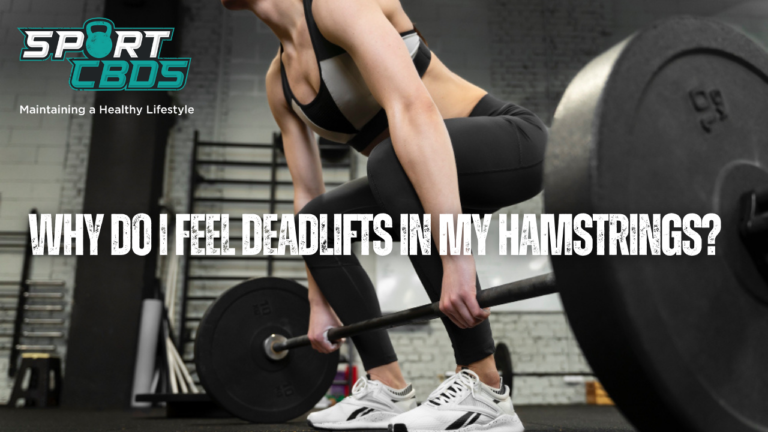
Feeling your hamstrings during deadlifts is completely normal — they’re one of the primary muscles driving hip extension throughout the lift. But if your hamstrings are dominating and your glutes aren’t contributing, form, barbell positioning, or muscle imbalances could be the issue. Here are twelve specific factors to consider if you’re wondering why your hamstrings take the brunt of your deadlift sessions.
Are Hanging Leg Raises Bad For Your Back? 12 Things To Consider
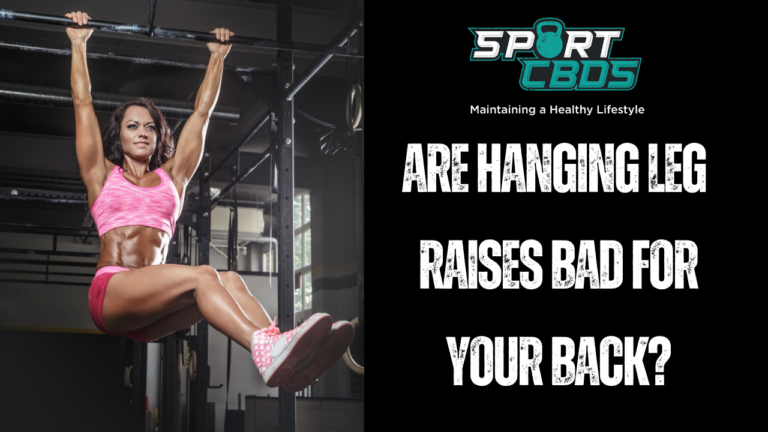
Hanging leg raises are one of the most effective ab exercises available — but they can also be a significant source of lower back pain when done incorrectly. Poor form, weak core muscles, hip flexor dominance, and insufficient progression are among the most common culprits. Here are twelve specific factors that determine whether hanging leg raises are safe for your back and what to do about each one.