

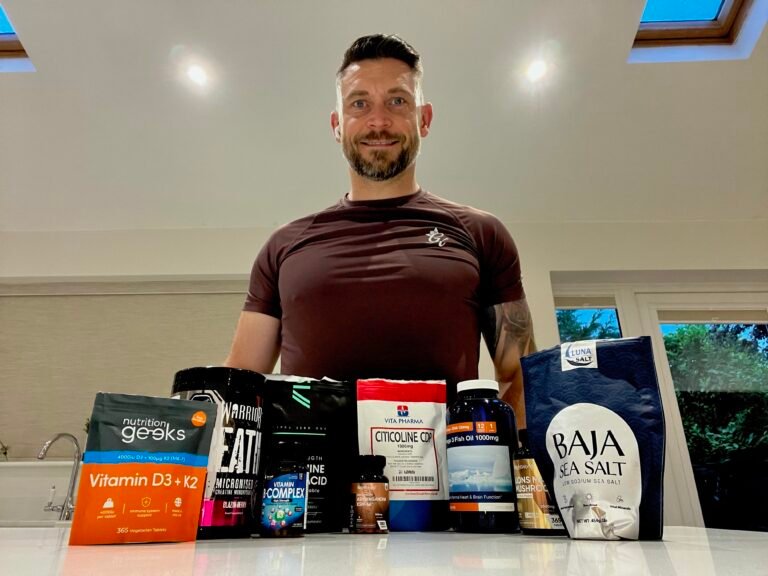
Creatine at 5am, Lion’s Mane with breakfast, Magnesium Glycinate before bed — I break down my full daily supplement stack, time by time, with the reasoning behind every single one.
Health
When To Switch From Strength To Hypertrophy: A Comprehensive Guide

Knowing when to shift from strength training to hypertrophy is one of the most important decisions you’ll make in your training journey — and most people either switch too early, too late, or never make the shift intentionally at all. Here are the clear signs it’s time to transition, what changes in your programme when you do, and how to cycle between both for the best long-term results.
Should I Cut in My First Year of Weightlifting? A Beginner’s Dilemma
The cut vs bulk debate is one of the first big decisions beginners face — and there’s no universal right answer. Your starting body fat percentage, training goals, and how your body responds to training all matter. Here’s a clear breakdown of the case for cutting and the case for bulking in your first year, so you can make a decision that actually fits your situation.
Why Does My Body Lose Muscle So Quickly? 11 Factors To Consider

Muscle loss can happen faster than most people realise — and it’s rarely down to just one cause. Inactivity, poor nutrition, age, genetics, medical conditions, and metabolic factors can all accelerate the process. Here are eleven specific factors that contribute to rapid muscle loss, with practical guidance on what you can do to prevent it and start rebuilding.
Why Do I Look Fat After Working Out? Find Out Here

Looking bigger or puffier after a workout than before it is one of the most disheartening experiences in fitness — but it’s almost always temporary and explainable. The pump, water retention, inflammation, micro tears, increased cortisol, and dilated blood vessels all contribute to that post-workout bloated appearance. Here’s a thorough breakdown of why you look fat after working out and what each cause actually means for your progress.
Do I Need Progressive Overload During A Cut? Find Out Here

Progressive overload during a cut is one of the most misunderstood topics in fitness programming. While you’re unlikely to build significant new muscle in a calorie deficit, progressive overload remains essential for preventing muscle loss and maintaining the strength and size you’ve already built. Here’s a thorough breakdown of whether you need progressive overload during a cut, the best ways to apply it, and how to balance intensity with recovery.
Is It Normal To Be Weaker Some Weeks? Everything You Need To Know
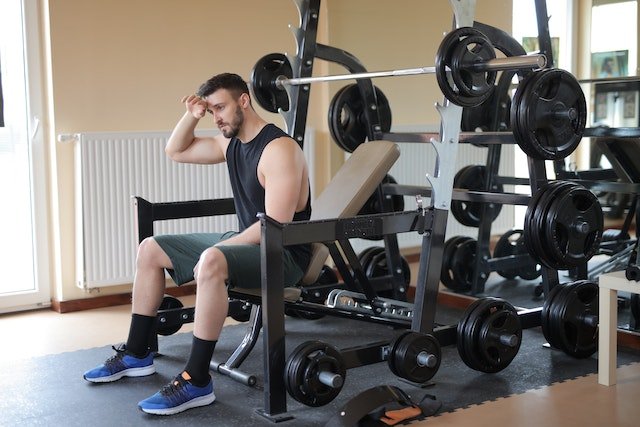
Having weeks where your strength dips and your workouts feel harder than usual is a normal part of training — and it rarely means your fitness is going backwards. Recovery quality, stress, hydration, nutrition, training volume, lifestyle habits, and even the weather can all contribute to temporary drops in performance. Here’s a thorough breakdown of why you feel weaker some weeks and the practical steps to minimise how often it happens.
What Do You Do On A Bad Day At The Gym? Motivational Mastery Here
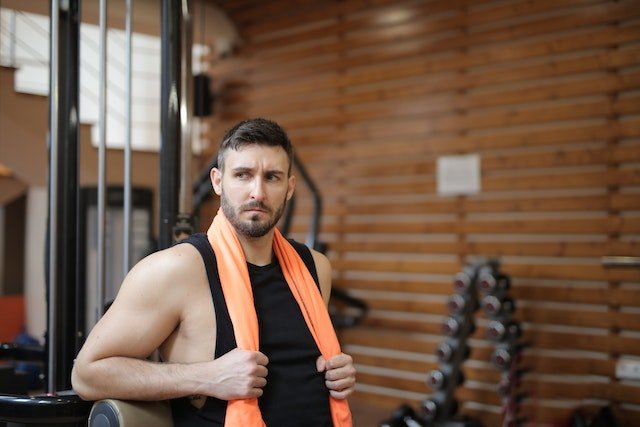
Every serious gym-goer has them — the sessions where nothing feels right, the weights feel heavier, and motivation has vanished. Bad days at the gym are an inevitable part of any fitness journey, but how you respond to them matters far more than the day itself. Here’s a thorough breakdown of what to do on a bad day at the gym and the mindset shifts that will help you come back stronger.
Why Do I Feel Weaker Instead Of Stronger Every Time I Work Out? Revive Your Gains

Feeling weaker after every workout rather than stronger is one of the most demoralising experiences in training — and it’s almost always a signal that something in your approach needs adjusting. Overtraining, poor sleep, inadequate diet, stress, lack of recovery, wrong exercise order, and not using progressive overload are the most common culprits. Here’s a thorough breakdown of why you feel weaker instead of stronger every time you work out and how to turn it around.
How Much Stronger Are A Persons Legs Than Their arms? The Ultimate Limb Face Off
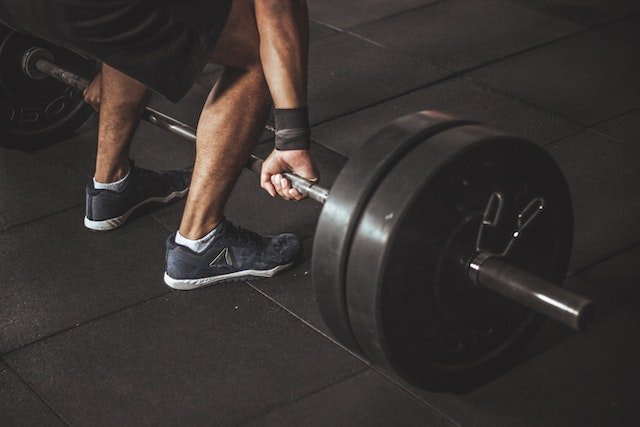
Most people instinctively know their legs are stronger than their arms — but the actual difference is larger than you might expect. Legs are typically around twice as strong as arms, driven by larger muscle mass, greater bone density, evolutionary conditioning, and the constant load-bearing demands of everyday movement. Here’s a thorough breakdown of exactly how much stronger your legs are than your arms and the biomechanical reasons behind that gap.