


Pull-ups and push-ups both build serious upper body strength, but most people find pull-ups significantly harder — and there’s a clear mechanical reason why. From the muscles involved to how much of your bodyweight you’re actually lifting, this guide breaks down the real difference and how to get better at both.
Back
Can You Do Pull-Ups and Lat Pulldowns on the Same Day? A Comprehensive Guide
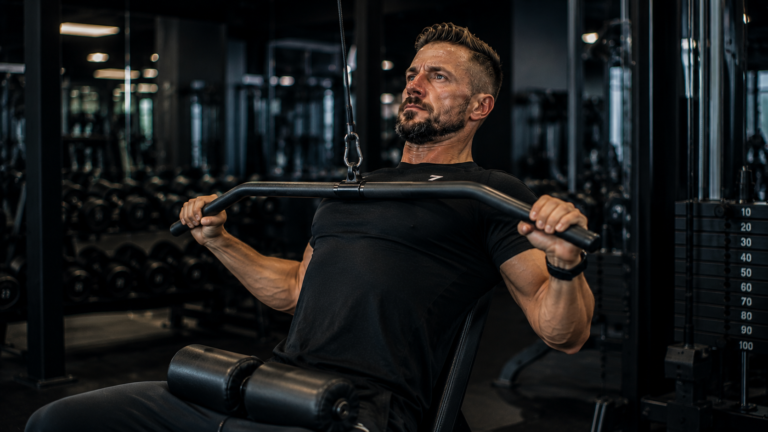
Pull-ups and lat pulldowns both target the lats, but they’re not the same exercise — and combining them in one session can actually work in your favour if you approach it correctly. The key is sequencing, rest intervals, and knowing your recovery limits. Here’s everything you need to make it work.
Why Don’t I Feel Seated Cable Rows in My Back? Tips for Better Back Engagement

Seated cable rows are one of the best back exercises out there — but only if you’re actually engaging your back. If you’re feeling it in your arms instead, something in your form is off. From grip choice to scapular retraction and the mind-muscle connection, here’s exactly what to fix to finally feel it where it counts.
Unlock Your Potential: Why Am I Having Trouble Activating My Lats?

The lats are the largest muscles in your upper body — but they’re also one of the hardest to actually feel working. If you’re going through the motions on pull-ups and rows without feeling it in your back, your grip, form, or mind-muscle connection is almost certainly letting you down. Here’s why it happens and how to fix it.
Why Can’t I Do Pull-Ups Anymore Even If I Am Much Stronger? A Deep Dive into Strength Training

If pull-ups that once felt manageable now seem impossible, you’re not alone — and it’s rarely just about strength. Everything from grip weakness and body alignment to mental barriers and inconsistent practice can cause a sudden drop in pull-up performance. Here are the 20 most common reasons and exactly what to do about each one.
Master Your Muscles: Techniques to Improve Bad Mind Muscle Connection with Your Back

The back is one of the hardest muscle groups to properly connect with during training — and if you’re not consciously engaging it, other muscles will take over every time. A poor mind-muscle connection with your back leads to wasted reps, poor posture, and imbalanced development. Here’s how to build that connection and make every back exercise count.
Why Do I Feel Bent Over Rows in My Triceps? (Causes and Solutions)

Bent over rows are a back exercise — so feeling them in your triceps is a clear sign something in your technique is off. Usually it comes down to pulling with your arms instead of driving with your back, or using a grip that shifts the load to the wrong muscles. Here’s exactly what’s going wrong and how to correct it for proper back engagement.
Unlock Your Strength: How Many Sets and Reps for Lat Pulldowns?

The lat pulldown is one of the most versatile back exercises you can do — but the sets and reps you should be doing depend entirely on what you’re training for. Strength, hypertrophy, and endurance all call for different approaches. Here’s the complete breakdown so you can programme your lat pulldowns with purpose rather than guesswork.
Decoding Muscle Pain: Why Do My Biceps Get Sore When I Do a Back Workout?

Getting sore biceps after a back workout is surprisingly common — and it makes sense once you understand how the muscles work together. Your biceps assist in almost every pulling movement, and when form breaks down or the weight gets too heavy, they end up doing far more than their share. Here’s the full explanation and how to keep your biceps where they belong — supporting, not leading.
Why Are My Rear Delts Sore After Back Workout? (Causes, Prevention And Treatment)

The rear deltoids are small muscles that get heavily involved in almost every back exercise — and that makes them vulnerable to soreness, especially if your form slips or your larger back muscles aren’t pulling their weight. Here’s why your rear delts are aching after back day and the practical steps to prevent it happening repeatedly.