

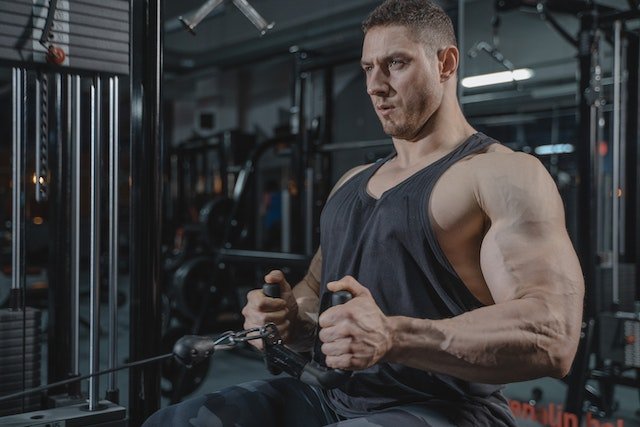
The seated cable row and bent over barbell row are both excellent back exercises — but they serve different purposes and suit different lifters. The seated cable row offers better isolation, easier form maintenance, and lower back safety. The bent over row is a more demanding compound movement that builds greater overall strength and core activation. Here’s a thorough comparison of both exercises to help you decide which one is right for your goals and whether you need both.
Back
How Can I Increase The Mind Muscle Connection With Lats? Get Rapid Engagement Here

Building a strong mind-muscle connection with your lats is one of the most impactful things you can do for back development — and it’s a skill that takes deliberate practice. From scapula training and leading with the elbows to visualisation, grip changes, and having someone touch the muscle during your set, there are multiple proven techniques that work. Here’s a comprehensive breakdown of how to increase your mind-muscle connection with your lats and finally feel them firing properly.
Why Do I Feel Lat Pulldowns In My Biceps? Problem Solved For Rapid Progress
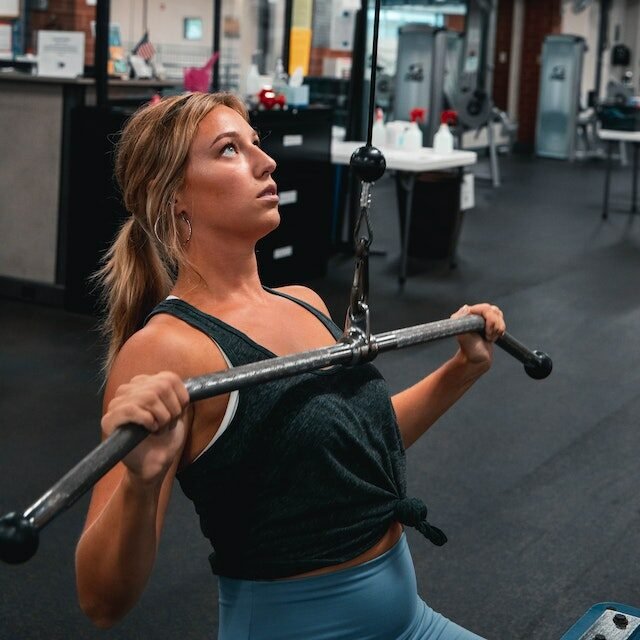
Feeling lat pulldowns in your biceps is a clear sign that the lats aren’t doing their job — and it’s almost always a technique issue. Going too heavy, poor scapular engagement, not leading with the elbows, leaning back excessively, rushing the movement, and gripping too tightly are the most common causes. Here’s a thorough breakdown of why you feel lat pulldowns in your biceps and the specific adjustments that will shift the work back to your lats.
Why Are Pull Ups Harder Than Chin Ups? Everything You Need To Know

If pull-ups feel significantly harder than chin-ups, the difference comes down to more than just hand position. Grip width, pronated versus supinated grip, range of motion, scapular engagement, and the mechanical leverage of each movement all contribute to making pull-ups the more demanding exercise. Here’s a thorough breakdown of exactly why pull-ups are harder than chin-ups and what you can do to improve at both.
Why Do I Feel Lat Pulldowns In My Shoulders? 14 Crucial Factors To Consider
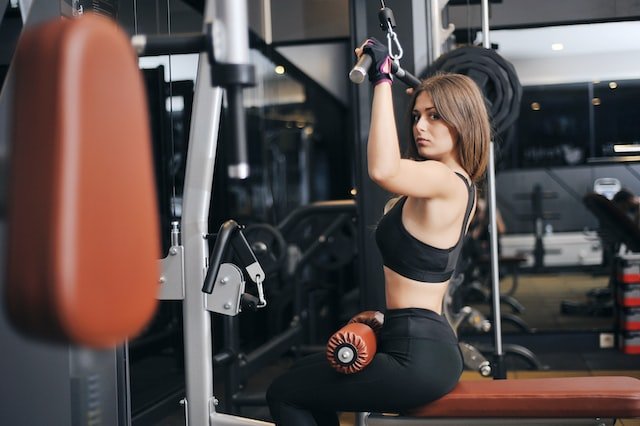
Feeling lat pulldowns in your shoulders is a sign that the movement has broken down somewhere — and it’s almost always correctable. Grip width, too much weight, leaning back, pulling the bar too far down or away from the body, poor scapular engagement, and not sitting fully up against the pads are the most common causes. Here are fourteen crucial factors behind why you feel lat pulldowns in your shoulders and the specific fixes for each one.
Why Do Bent Over Rows Hurt My Lower Back? Important Tips To Relieve The Pain
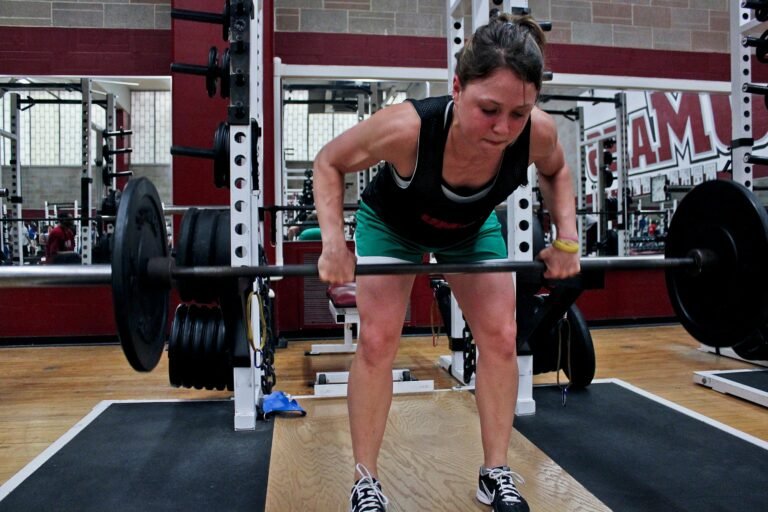
Lower back pain during bent over rows is one of the most common complaints in back training — and it’s almost always a form issue rather than a reason to avoid the exercise entirely. Not engaging the core, going too heavy, pulling at the wrong angle, incorrect hip hinge, rounded spine, and rolled shoulders are the most frequent causes. Here’s a thorough breakdown of why bent over rows hurt your lower back and the specific adjustments that will resolve the pain.
Why Are My Pull Ups Not Improving? Solutions For Consistent Improvement

Stalling on pull-ups is one of the most common plateaus in bodyweight training — and there’s almost always a specific reason behind it. Poor form, insufficient frequency, grip issues, not engaging the scapula, muscle imbalances, weak core, body weight, and doing the same variation repeatedly are among the most common causes. Here’s a thorough breakdown of why your pull-ups aren’t improving and the solutions that will get you moving forward again.
Why Are My Pull Ups Uneven? Everything You Need To Know For Rapid Progress

Uneven pull-ups are almost always a sign of a strength imbalance, form difference, or mobility restriction between the two sides of your body. Muscle imbalances, past injuries, poor posture, restricted range of motion, scapular mobility issues, and weak rotator cuff muscles are the most common causes. Here’s a thorough breakdown of why your pull-ups are uneven and the targeted steps to correct it and build more symmetrical strength.
Why Do I Feel Rows In My Biceps? All The Answers For Rapid Progress
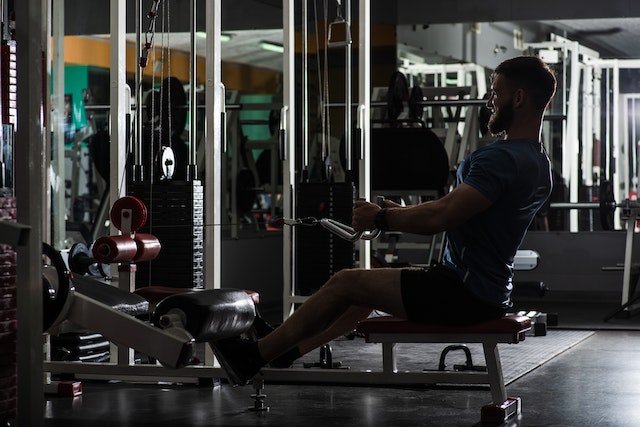
Feeling rows in your biceps instead of your back is a sign that the wrong muscles are taking over — and it’s almost always a form or technique issue. Gripping too tightly, pulling with your hands instead of your elbows, not retracting the scapula, using too much weight, going too heavy, and not using a full range of motion are the most common causes. Here’s a thorough breakdown of why you feel rows in your biceps and the specific adjustments that will fix it.
Don’t Feel Dumbbell Rows In Your Back? 10 Vital Pointers For Better Results
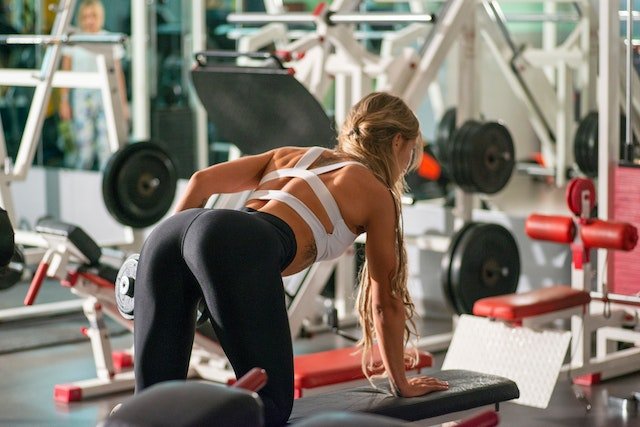
If dumbbell rows aren’t being felt in your back, your lats and rhomboids aren’t doing the work they should be — and there are specific reasons why. Incorrect pulling angle, flared elbows, gripping too tightly, rounding the back, using too much weight, poor scapular engagement, and a lack of mind-muscle connection are the most common causes. Here are ten vital pointers to fix your dumbbell row technique and finally feel it where it’s supposed to be felt.