

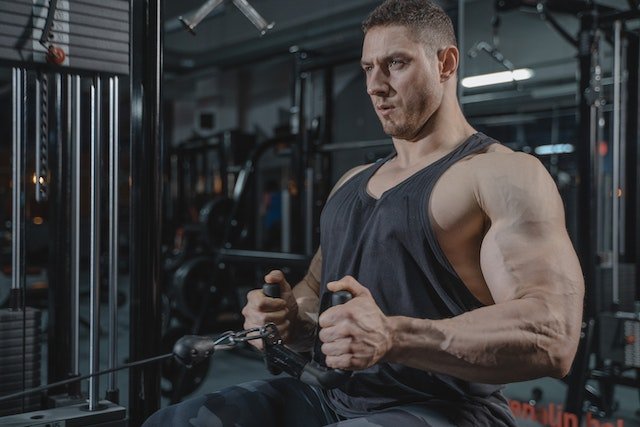
Is The Seated Cable Row Better Than Bent Over Barbell Rows? Is One Superior
The seated cable row and the bent-over barbell row are two of the best back exercises going — which is exactly why people argue over which is “better.” The honest answer is that neither is universally superior; they do slightly different jobs and suit different lifters.
Here’s a straight comparison of the two, so you can decide which belongs in your programme — or whether, like most people, you’re better off using both.
Is the seated cable row better than bent over barbell rows?
Neither is outright better — it depends on your goals and experience. The seated cable row is more controlled and easier on your lower back, lets you really focus on your back muscles, and is more beginner-friendly. The bent-over barbell row is a more demanding compound lift that works more muscle overall (including your core, rear delts and arms) and builds more total strength and size — but it needs good form and is harder on your lower back. If you want a focused, back-safe option, go cable row; if you want maximum strength and muscle and you can hold good form, go bent-over row. Ideally, use both.
No matter which of these exercises you choose, be sure to use proper form and focus on your breath to get the most out of the exercise and avoid injury.
The two at a glance
Seated cable row
- What it is: a controlled, seated pulling movement.
- Works: lats, traps, rhomboids, lower back — focused on the back.
- Difficulty: more beginner-friendly, easier to control.
- Lower back: easier on it, since you’re supported and upright.
- Best for: focusing on the back, learning to row, or training around lower-back issues.
Bent-over barbell row
- What it is: a demanding free-weight compound movement.
- Works: lats, traps, rhomboids, lower back — plus rear delts, biceps and forearms.
- Difficulty: more advanced, needs strict form.
- Lower back: more demanding, as you’re hinged forward holding the load.
- Best for: building maximum overall back strength, size and core stability.
Where the seated cable row wins
Because you’re seated and supported, it’s far easier to keep good posture and stay in control of the weight. That makes it great for really focusing on your back muscles without your whole body fighting to stay stable, and it’s much kinder to your lower back — which is why it’s a brilliant option for beginners, or for anyone training around lower-back niggles. You can also vary the attachment (rope, bar, different handles) to change the feel and hit your back from different angles.

Where the bent-over barbell row wins
The bent-over row is a proper compound lift. As well as your back, it hammers your rear delts, biceps and forearms, and your core has to work hard to keep you stable in the hinged position. That whole-body demand is exactly why it builds more total strength and muscle than the cable row — but it’s also why it’s tougher to do well. Hold a strong, braced position and don’t let your back round, especially as fatigue sets in.
A note on grip
Both rows can be done with a pronated (overhand), supinated (underhand) or neutral grip. Overhand emphasises the upper back more but is a touch harder on the wrists and (on the barbell row) the lower back; underhand and neutral grips tend to be easier on the joints and bring the biceps in a little more. Experiment and see what feels best and lets you target your back.
So which should you choose?
It comes down to you:
- New to lifting, or training around a dodgy lower back? Start with the seated cable row — it’s controlled, supported and easier to learn.
- Experienced and chasing maximum strength and size? The bent-over barbell row gives you more bang for your buck.
- Want the best of both? Use them together (see below).

A quick safety note
If you’ve got a current lower-back or hip problem, don’t push through it — the bent-over row in particular loads the lower back, and training through pain is asking for trouble. Favour the supported seated option, get your form checked, and if you’ve got an existing injury, see a professional before loading up either movement.
Why not use both?
For most people, the best answer isn’t one or the other — it’s both. They complement each other nicely: you might use the bent-over row earlier in your session for heavy, strength-building work while you’re fresh, then finish with seated cable rows to really focus on the back once you’re tired and your form on a free-weight lift would start to slip. That way you get the strength and size benefits of the compound lift and the focused, controlled work of the cable row — and you’re hitting your back from more than one angle.
Related: How can I increase the mind muscle connection with lats?
Related: Why do I feel lat pulldowns in my biceps?
A coach’s take
Of the two exercises here, my favourite would have to be the seated cable row — with a twist! In my current routine I’m doing single-arm cable rows, which I really enjoy and which have been working well in my plan. I like that the single-arm version trains my body unilaterally, and the position (sat on a bench with my feet on the pad) feels really comfortable and works well for me.
I don’t tend to do bent-over dumbbell rows, because for the weight I’m lifting the dumbbell feels awkward and cumbersome in my hand — not to mention that bent-over rows can cause lower-back problems if you’ve already got issues, or if you’re not in the right position, because of the angle of the exercise.
The angle of the seated row just suits me better. I feel more comfortable, and the range of motion works well with the seated position.
So I use the seated cable row more as a rule — but if you don’t have access to one at your gym or at home, bent-over rows work fine. Just be mindful of your posture and the weight you’re trying to lift, because that pulling angle can give you a false sense of security, and pulling your lower back is no joke — especially under load. It can take you out of the game for weeks, so take your time, and wear a belt to support your lower back if you’ve got one.
If you’re just starting out on your lifting journey, try both and see how you get on. As with anything, start off light and get used to the movements before pushing yourself with heavier weights on either one. Remember — safety first, people, every time.
FAQs
Which is better for beginners, the seated cable row or the bent-over row?
The seated cable row. It’s supported, easier to control, and far more forgiving on your lower back while you learn to row properly. You can move on to the bent-over barbell row once your technique and back strength are solid.
Which builds more muscle?
The bent-over barbell row works more muscle overall — back, rear delts, biceps, forearms and core — so it has the edge for total strength and size. The cable row is better for focused, controlled back work.
Are they interchangeable?
They overlap a lot but aren’t identical — the bent-over row demands far more from your whole body and core, while the cable row lets you isolate the back more safely. That’s exactly why using both is a smart move.
Which is safer for your lower back?
The seated cable row, since you’re supported and upright. The bent-over row loads the lower back much more, so it needs good form — and if you’ve got existing back issues, the cable row (or a chest-supported row) is the safer bet.
Related: Why Are My Pull Ups Uneven?
Final thoughts…
So, is the seated cable row better than the bent-over barbell row? Neither wins outright — they’re built for different jobs. The cable row is the controlled, back-safe, beginner-friendly option; the bent-over row is the heavy-hitting compound lift for maximum strength and size. Pick the one that matches your goals and experience — or, better still, use both and get the benefits of each. Whichever you choose, good form is what keeps you progressing and injury-free.
If you love training and want to get stronger — in body and mind — you’re in the right place. Here at Sport CBDs we train hard and do things properly. Head over to the YouTube channel for regular workouts plus mindset and mindfulness content to keep your head right, and if you want to build a serious grip, check out my grip strength book: INSTANT DOWNLOAD.


Hi there it’s me, I am also visiting this web site regularly, this web site is in fact fastidious and the visitors are genuinely sharing nice thoughts.
Hi there, I found your web site via Google even as searching for a comparable subject, your site came up, it looks good.
I have bookmarked it in my google bookmarks.
Hello there, simply turned into alert to your blog thru Google, and located that it is truly informative.
I’m going to be careful for Brussels. I’ll appreciate when you continue this in future.
Numerous folks shall be benefited out of your writing.
Cheers!