

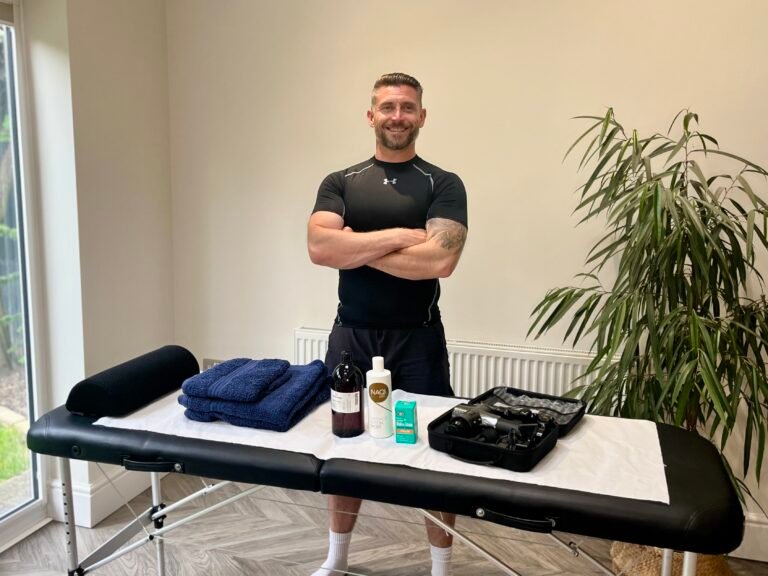
Sports Massage vs Regular Massage: What’s the Difference? (An Honest Guide) Walk into most places offering massage and you’ll be […]
Why Do I Lose Grip When I Deadlift? (Causes and How to Fix It)
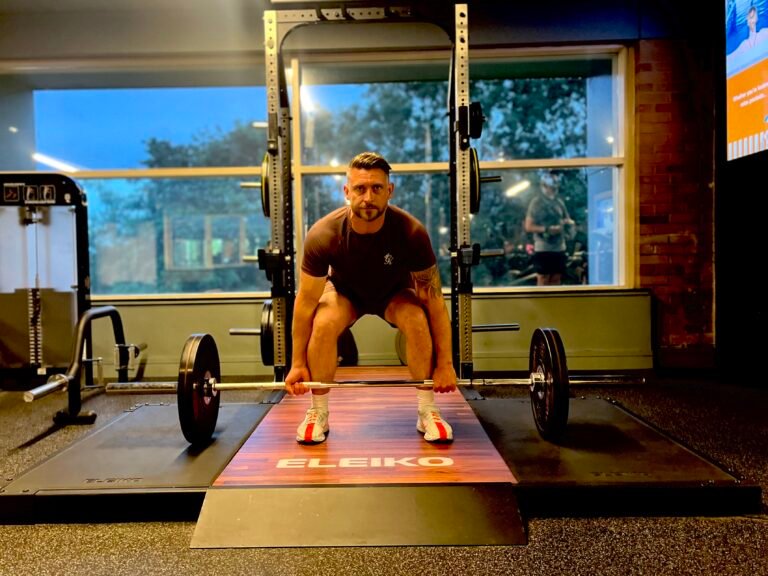
Losing your grip on deadlifts before your legs and back give out? Here’s why — plus the chalk, technique and grip-training fixes that sorted it for me.
My Current Supplement Stack — What I Take, When I Take It, and Why

Creatine at 5am, Lion’s Mane with breakfast, Magnesium Glycinate before bed — I break down my full daily supplement stack, time by time, with the reasoning behind every single one.
Fly or Fall: Are Chest Flys Worth It?

Chest flys have been a gym staple for decades, but are they actually delivering the results you think? While they do engage the chest muscles, there are real concerns around shoulder injury risk, limited tension, and a few stubborn myths about their effectiveness. Here’s an honest breakdown to help you train smarter.
Easing the Ache: Why Does My Back Hurt During Front Lateral Raises?

Back pain during front lateral raises is one of the most common complaints in shoulder training — and it’s almost always down to form. Arching the back, using too much weight, or relying on momentum all put unnecessary stress on the spine instead of the shoulders. This guide breaks down the root causes, proper execution, and practical fixes to keep your back safe while building stronger, wider shoulders.
Unlocking the Mystery: Why Does My Tailbone Hurt When I Leg Press?
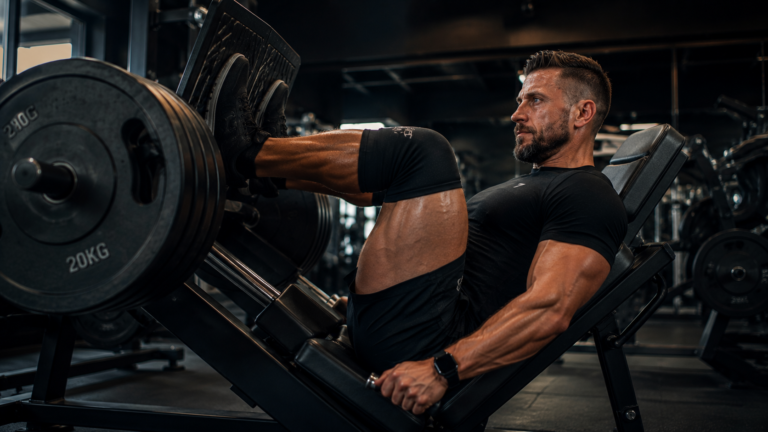
Tailbone pain during leg press is more common than you’d think — and it’s almost always linked to how you’re positioned on the machine. Poor lumbar spine alignment and pelvic floor tension are the main culprits, but medical conditions and lifestyle habits can play a role too. Here’s everything you need to know to fix your form and protect your coccyx.
Body Symmetry: Are Uneven Abs Normal?

If your abs look uneven or asymmetrical, you’re not alone — and there’s nothing wrong with you. Genetics largely determine the shape, alignment, and structure of your abdominal muscles, meaning no amount of training will make them perfectly symmetrical. Here’s what’s actually behind uneven abs and what you can do to develop a stronger, more balanced core.
Is Flexing Bad for Your Muscles? Unraveling the Truth!

Flexing is more than just showing off — it’s a legitimate form of isometric training that can boost muscle activation, improve definition, and even contribute to growth. But like any exercise, doing it wrong or overdoing it comes with risks. Here’s the science behind flexing and how to use it smartly in your training.
Muscle Mechanics: Why Are Pull-Ups Harder Than Push-Ups?

Pull-ups and push-ups both build serious upper body strength, but most people find pull-ups significantly harder — and there’s a clear mechanical reason why. From the muscles involved to how much of your bodyweight you’re actually lifting, this guide breaks down the real difference and how to get better at both.
How Often Should You Train Forearms? A Comprehensive Guide

Forearms are one of the most neglected muscle groups in training — yet they’re involved in almost every upper body exercise you do. Train them too rarely and you limit your grip strength and overall gains; train them too often and you risk overtraining. Here’s the evidence-based guide to getting forearm training frequency exactly right.