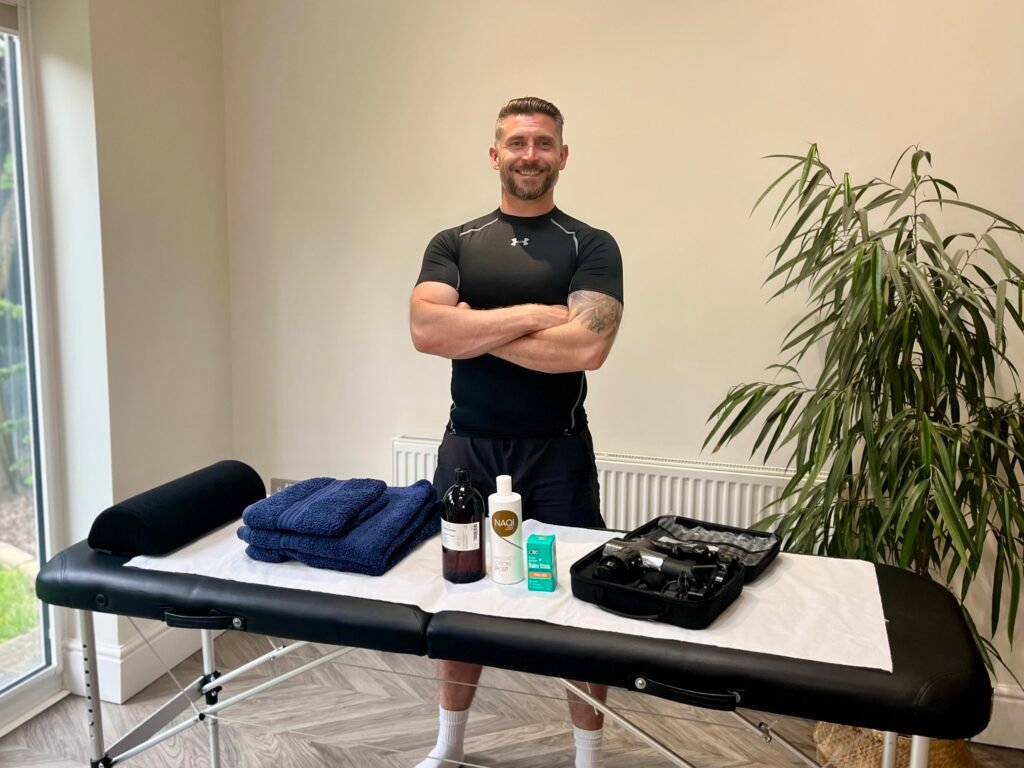
Sports Massage vs Regular Massage: What’s the Difference? (An Honest Guide)
Walk into most places offering massage and you’ll be asked whether you want a “sports” or a “regular” massage — and if you’re not sure of the difference, you’re far from alone. It’s one of the most common questions people have, and a lot of the answers online are written purely to sell you a treatment.
So here’s a straight, honest guide from someone who does this for a living: what each one actually is, who each is really for, and — just as importantly — what’s genuinely worth your money and what’s a bit overhyped.
What’s the Difference?
A regular massage (usually a Swedish-style massage) is about relaxation — gentle to moderate pressure, flowing strokes, general stress relief and feeling good. A sports massage is more targeted and more intense — deeper pressure and specific techniques aimed at muscle tightness, recovery, mobility and niggles, mainly for people who are active. Put simply: a regular massage is about unwinding; a sports massage is about upkeep and getting your body moving better. You don’t have to be an athlete to benefit from one — more on that below.
What is a regular (Swedish) massage?
A regular massage — most commonly a Swedish massage — is the relaxation-focused one. It uses long, flowing strokes and gentle kneading at a mild to moderate pressure, usually over the whole body, with the goal of easing general tension, calming your nervous system and helping you de-stress. If what you want is an hour to switch off, relax and feel soothed, this is the one you’re after. It’s lovely, and there’s nothing wrong with that being the goal.
What is a sports massage?
A sports massage is more targeted and works deeper. Rather than a general full-body relaxer, it focuses on specific muscles and problem areas, and uses a range of techniques such as deep tissue work, trigger point therapy (releasing tight “knots”), myofascial release, assisted stretching and friction. The aim isn’t just to feel good in the moment — it’s to address tightness, support recovery, improve how you move, and catch small issues before they become injuries.
And despite the name, it’s not just for elite athletes. Anyone active — gym-goers, runners, cyclists, weekend footballers, even people carrying tension from a desk job — can benefit from it.
The key differences at a glance
Purpose
- Regular: relaxation and general stress relief.
- Sports: recovery, mobility, injury prevention and addressing specific muscle issues.
Techniques
- Regular: gentle, flowing strokes (effleurage, light kneading).
- Sports: deep tissue, trigger point release, myofascial work, stretching and friction.
Pressure
- Regular: mild to moderate.
- Sports: firmer and deeper, often working on specific spots.
Focus
- Regular: the whole body, generally.
- Sports: targeted to the muscles and areas that need it.
Best for
- Regular: anyone wanting to relax and unwind.
- Sports: active people, those recovering from training, or anyone with tightness, niggles or restricted movement.
Timing
- Regular: whenever you fancy.
- Sports: often timed around training or events — before to loosen up, after to aid recovery, or regularly as maintenance.
Related: Why Do We Stretch – My Flexible Outlook
Which one do you actually need?
It comes down to what you’re after. If your goal is to switch off, de-stress and feel relaxed, a regular massage is exactly right. If you’re active, training regularly, recovering from a tough block, or dealing with a specific bit of tightness or a niggle that won’t shift, a sports massage is the better fit — it’s designed to actually work on the problem rather than just soothe around it.
Neither is “better” — they’re built for different jobs. The honest answer is to match the massage to your goal.
An honest word: what’s genuine and what’s oversold
This is where a lot of massage marketing gets carried away, so here’s the straight version.
What’s genuinely worth it: sports massage is well backed for easing post-exercise soreness (that DOMS that hits a day or two after a hard session), reducing muscle tightness and tension, improving how you feel and move, and helping you find and address niggles early. The relaxation and stress side is real too — it’s not all deep pressure and grimacing.
What’s a bit overhyped: be a little sceptical of some of the bigger claims. Massage won’t directly turn you into a better athlete — the research doesn’t show a straightforward performance boost. The old “it flushes toxins and lactic acid out of your muscles” line gets repeated everywhere, but the evidence for it is shaky at best. And massage guns, for all the marketing, don’t have anywhere near the evidence behind them that good hands-on work does.
None of that means sports massage isn’t worth it — it absolutely can be. It just means you should know what it realistically does, rather than what a flashy advert promises.
A practitioner’s honest take
One of the most common issues I see with clients is back pain caused by poor posture — usually from sitting at a desk for work most of the day. It’s not a huge thing to fix, either; with a few sessions and some ongoing postural coaching, it can be sorted. Mostly it comes down to changing old habits and being more mindful of how you sit and hold yourself while you work.
I see all sorts of people for all sorts of things, and it’s genuinely rewarding to help someone in pain feel better and find relief from the agony of a pulled muscle.
It isn’t just athletes I work with, either, so don’t let that put you off. People who don’t exercise are just as likely to need help — whether it’s from working in the garden or a part of the body simply tensing up for no obvious reason. Basically, I’m here to help with whatever issue you’re dealing with.
One of the most important things to me is that you feel comfortable during the session. I always communicate as much as possible about the amount of pressure I’m using on the troubled areas, because everyone has a different pain threshold. That’s not to say every sports massage is painful — but if you need one, there’s usually an area that needs treating to relieve the pain you’re feeling, and it’s important we’re on the same page about it.
If you exercise regularly, I’d advise having a sports massage at least once a month if you can. This isn’t a hard sell, but you’d be amazed at how well the body responds to regular treatment. You’d find yourself able to go that extra mile, feeling all limber and relaxed.
I also see clients for general massage, which I like to think of as a “hybrid” approach — combining elements of sports massage with the relaxation of a Swedish massage. It works great and is a huge benefit: you get the full-body treatment, but with extra attention on the specific areas that need it.
Related: 15 Minute Daily Stretch Routine – Beginners Follow Along – Increase Flexibility
So, is a sports massage for me?
If you train, play sport, or just live an active life, then yes — a sports massage is very likely worth it for you. You don’t need to be competing at anything; you just need to be someone who asks a bit of their body and wants to keep it moving well. Whether it’s easing soreness after training, loosening off a stubborn tight spot, or simply keeping on top of the wear and tear, it’s a genuinely useful tool to have in your corner.
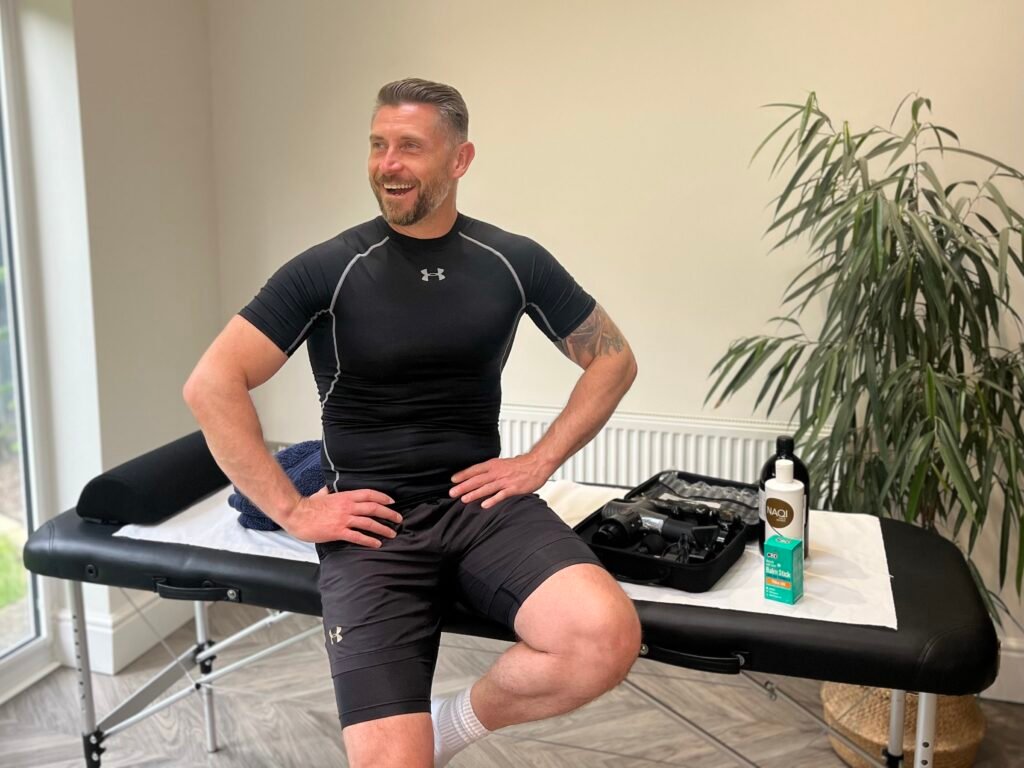
Book a sports massage with me
I offer a mobile sports massage service across Leicestershire — which means I come to you, so there’s no travelling to worry about. If you’re local and you’d like to book a session, or just have a chat about whether it’s right for you, head over to my booking page to get in touch.
FAQs
Does a sports massage hurt?
It can be more intense than a relaxing massage, especially when working on a tight spot or a knot, but it shouldn’t be agony. A good therapist works with you and adjusts the pressure — “good discomfort” is fine, sharp pain is not. Always speak up if it’s too much.
Is a sports massage better than a regular massage?
Neither is better overall — they’re for different things. A regular massage wins for pure relaxation; a sports massage wins for recovery, tightness, mobility and active bodies. Pick the one that matches your goal.
How often should I get a sports massage?
It depends on how much you’re training and what you’re dealing with. Some people benefit from one every few weeks as maintenance, others more often during heavy training or when working through a specific issue. It’s worth finding the rhythm that works for you.
Do I need to be an athlete to get a sports massage?
Not at all. If you exercise, play recreational sport, or just carry tension from daily life, you can benefit. It’s for active people of every level, not just competitors.
Final thoughts
Sports massage versus regular massage really comes down to your goal: relaxation, or recovery and upkeep for an active body. Both are worthwhile — they’re just built for different jobs. And whichever you choose, go in knowing what it realistically does, so you get genuine value rather than marketing promises.
If you love training and want to get stronger — in body and mind — you’re in the right place. Here at Sport CBDs we train hard and do things properly. Head over to the YouTube channel for regular workouts plus mindset and mindfulness content to keep your head right.