

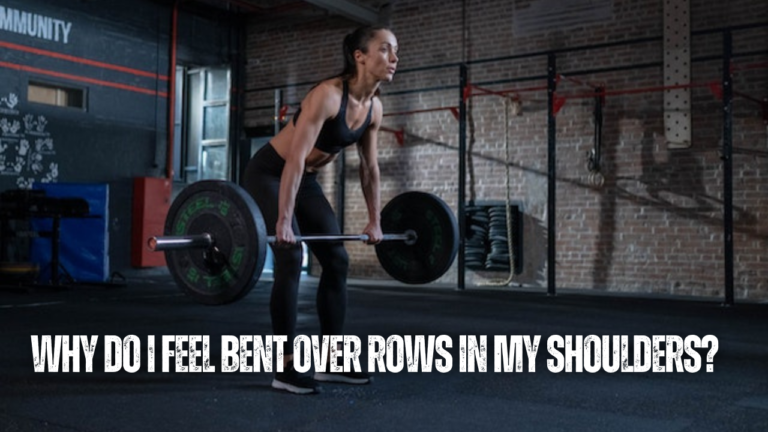
Bent over rows should be a back exercise — but if your shoulders are taking the strain, your technique or muscle balance needs attention. Poor posture, incorrect angle of pull, not leading with the elbows, a weight that’s too heavy, and weak mind-muscle connection are among the most common causes. Here are thirteen specific pointers to help you fix the issue and finally feel bent over rows where they’re supposed to hit.
Back
Why Are Lat Pulldowns So Hard? 12 Tips For Progress

Lat pulldowns are deceptively difficult — and most people who struggle with them are making one or more of several identifiable mistakes. Incorrect positioning, wrong grip, going too heavy, poor scapular engagement, and over-relying on the arms instead of the lats are the most common culprits. Here are twelve tips to understand why lat pulldowns are so hard for you and what to do to make genuine progress.
Why Does My Wrist Hurt When Doing Seated Cable Rows? Answers Here

Seated cable rows should be a back exercise — so if your wrists are hurting, something in your technique, grip, or load selection needs attention. Wrist flexion, too-tight grip, incorrect angle of pull, excessive weight, and weak wrists are the most common causes. Here’s a thorough breakdown of why your wrist hurts during seated cable rows and exactly what to do to fix it.
Why Do I Feel My Biceps When Doing Pull Ups? Answers Here

Feeling pull-ups more in your biceps than your lats is one of the most common frustrations in back training — and it almost always comes down to technique. Pulling with your arms instead of your back, failing to retract the scapula, using a tight grip, and limited range of motion are the main culprits. Here’s a thorough explanation of why your biceps dominate your pull-ups and the specific fixes that will shift the focus to your lats.
Not Feeling Lats On Back Exercises? Answers Here

Failing to feel your lats during back exercises is one of the most common training frustrations — and it almost always comes down to technique rather than effort. Too much weight, poor scapular engagement, pulling with the hands instead of the elbows, and a weak mind-muscle connection are the main culprits. Here’s a thorough breakdown of why you aren’t feeling your lats on back exercises and exactly what to do to fix it.
Why Do I Feel Lat Pulldowns In My Core? Find Out Here
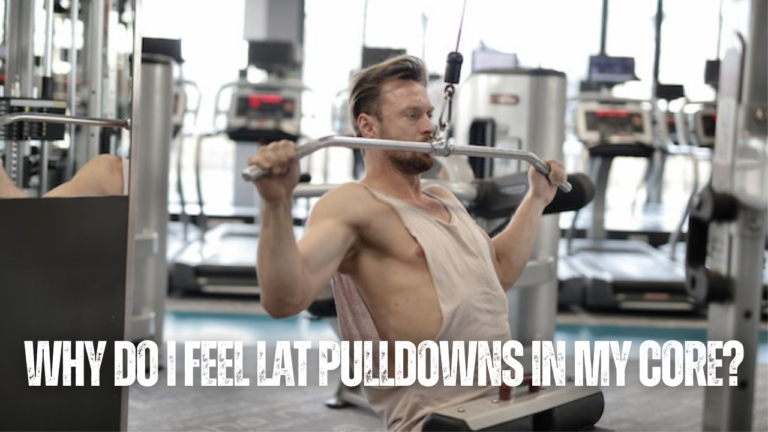
Feeling lat pulldowns in your core is a common sign that something in your form or setup is off — and it’s usually correctable with a few simple adjustments. Leaning back too far, incorrect grip width, angle of pull, too much weight, poor seating position, and weak core stability are the most frequent causes. Here’s a thorough breakdown of why you feel lat pulldowns in your core and what to do to fix each one.
Why Are Pull ups harder than dips? Everything You Need To Know
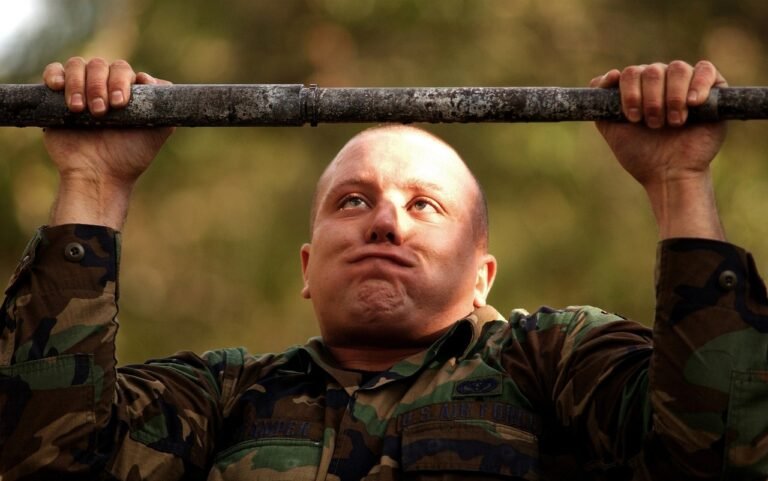
If pull-ups feel significantly harder than dips, you’re not imagining it — and it’s not a fitness failing. The muscles involved, the force required to lift your full body weight from a hang, grip demands, range of motion, and the complexity of the pulling motion all make pull-ups inherently more challenging. Here’s a thorough breakdown of exactly why pull-ups are harder than dips and what you can do to close the gap.
Why Do My Forearms Get Tight When I Do Back Exercises? Find Out Why Here

Tight forearms during back exercises is a sign that your grip, wrist position, or technique is allowing the forearms to take over work that should be going through your back. Gripping too hard, wrist flexion, holding the bar in the fingers rather than the palm, lifting too heavy, and poor mind-muscle connection are the main causes. Here’s a thorough breakdown of why your forearms get tight on back exercises and what to change to fix it.
Why Do I Feel Lat Pulldowns In My Chest? Problem Solved For Better Gains
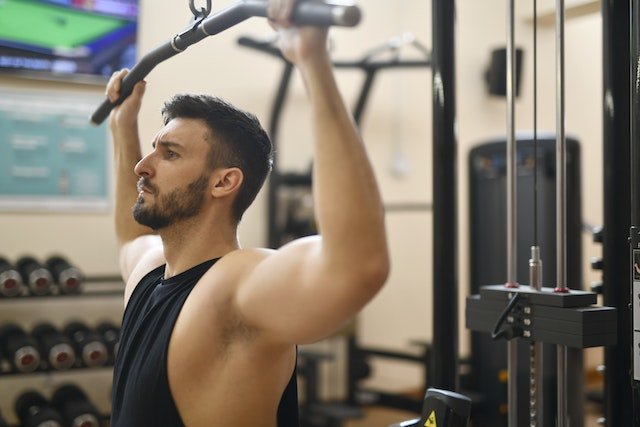
Feeling lat pulldowns in your chest is a sign that your lower pecs are being recruited as stabilisers more than they should be — and it’s almost always down to technique. Too much weight, jerking the bar, leaning back too far, incorrect grip, lowering the bar too far, and training chest before back are the most common causes. Here’s a thorough breakdown of why you feel lat pulldowns in your chest and the specific adjustments that will fix it.
Why Are Pull Ups Getting Harder? 14 Ways To Get Back On Track

If pull-ups are getting harder rather than easier, it’s rarely down to one thing — and it’s almost never a sign that you’re getting weaker. Weight gain, overtraining, poor recovery, reduced range of motion, stress, diet changes, cutting calories, and mental blocks can all make pull-ups feel harder than they used to. Here are fourteen specific reasons why your pull-ups are getting harder and what to do about each one.