


The sets vs training to failure debate is one of the most discussed topics in strength training — and the honest answer is that both have a place depending on your goals, experience level, and recovery capacity. Training to failure drives intensity but carries real risks; structured sets offer control and consistency. Here’s a thorough breakdown of both methods and how to combine them intelligently for the best long-term results.
Is Lat Pulldown Good For Pull Ups? Everything You Need To Know

Lat pulldowns are one of the most effective tools for building towards pull-ups — particularly for beginners who don’t yet have the strength to complete full reps. They target the same primary muscles, allow for progressive overload, and offer a more controlled environment to build lat and bicep strength. Here’s a comprehensive look at how lat pulldowns support pull-up development and the common mistakes to avoid with both exercises.
Why Do Biceps And Triceps Grow Slowly? 11 Factors To Consider

If your biceps and triceps seem to lag no matter how hard you train them, you’re not alone — and there are specific, identifiable reasons why arm muscles are slower to develop than larger muscle groups. From their smaller size and lower hypertrophy capacity to overtraining, poor form, and missing progressive overload, here are eleven factors contributing to slow arm growth and what to do about each one.
Why Does My Chest Hurt When I Do Dips? (Causes and How to Fix It)
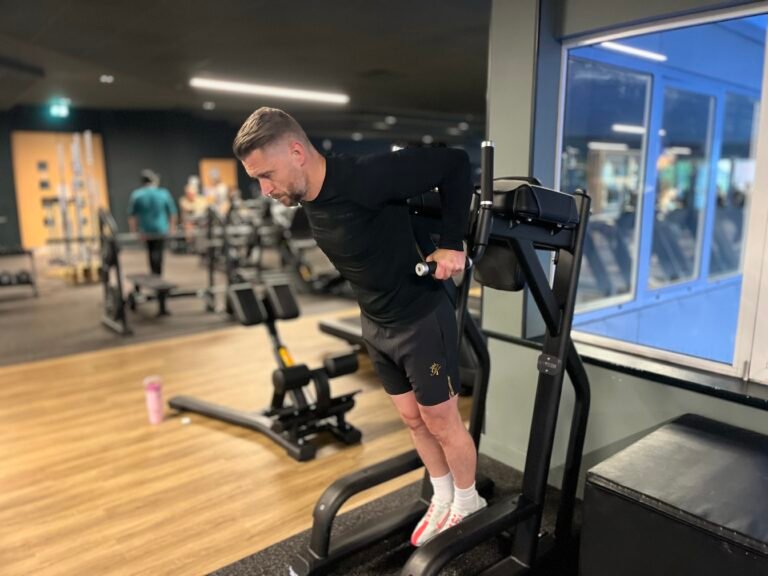
Chest hurting during dips? Here are the real causes — form, mobility, weak spots — how to fix them, and the warning signs that mean stop and get checked.
Does Shoulder Press Work Front Deltoids? All You Need To Know

The shoulder press is one of the most effective exercises for developing the anterior (front) deltoids — they’re the primary mover throughout most of the pressing motion. But how much emphasis lands on the front delts depends on your grip, variation, and technique. Here’s a thorough breakdown of how the shoulder press works the front deltoids and the adjustments you can make to target them more effectively.
Does Working Your Legs Improve Your Upper Body? Answers Here

It might seem counterintuitive, but working your legs can have a genuine positive impact on your upper body. The hormonal response triggered by heavy compound leg work, the neurological stimulus it creates, and the core and stabiliser engagement involved all contribute to improvements across the whole body. Here’s the science behind why leg training benefits your upper body and how to make the most of it.
Why Do I Get Chest Pain When Doing Sit Ups? 13 Things To Consider

Chest pain during sit-ups ranges from minor muscular discomfort to something that warrants immediate medical attention — and knowing the difference matters. Pulled muscles, poor breathing technique, costochondritis, dehydration, and cardiovascular issues are all potential causes. Here are thirteen specific factors to consider if you experience chest pain during sit-ups, and clear guidance on when to stop and seek help.
I Look Muscular But Have No Strength! Help Here

Having visible muscle but poor functional strength is a genuine and frustrating gap — and it usually comes down to the difference between training for size and training for strength. Muscle mass is a structural adaptation; strength is a nervous system adaptation. Here’s a thorough breakdown of why you can look muscular but still lack real strength, and the specific changes to training, diet, and intensity that will close that gap.
Can You Train Your Lats Every Day? 8 Crucial Factors To Consider

Training your lats every day is possible — but whether it’s a good idea depends on several factors that most people overlook. Overtraining risk, joint strain, muscle imbalances, insufficient recovery, and intensity level all need to be considered before committing to daily lat work. Here are eight crucial factors to weigh up, including when daily training can work and when it’s more likely to hold you back.
Not Seeing Any Bicep Progress? Everything You Need To Know

Hitting a wall with your bicep development is one of the most common frustrations in the gym — and there’s rarely just one cause. From plateaus and poor form to inadequate nutrition, overtraining, lack of progressive overload, and missed mind-muscle connection, the reasons can stack up. Here’s a thorough breakdown of everything that might be stopping your bicep growth and the practical fixes to get things moving again.