

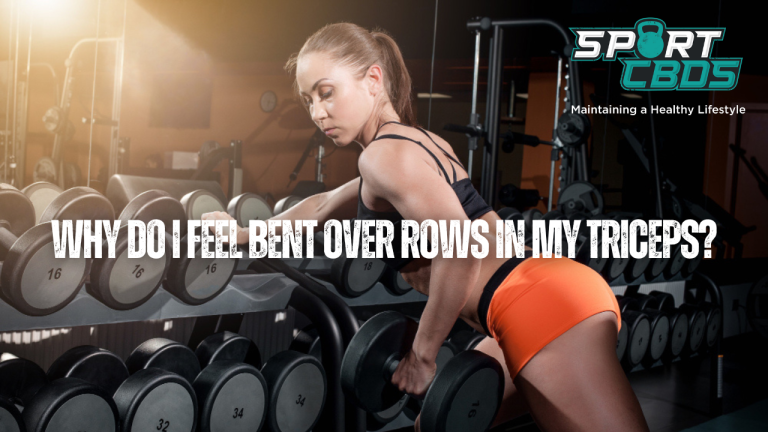
Bent over rows are a back exercise — so feeling them in your triceps is a clear sign something in your technique is off. Usually it comes down to pulling with your arms instead of driving with your back, or using a grip that shifts the load to the wrong muscles. Here’s exactly what’s going wrong and how to correct it for proper back engagement.
Why Do My Biceps Fatigue So Fast? Causes, Prevention, and More!

If your biceps give out faster than everything else in your upper body training, you’re not imagining it — and it’s not necessarily a sign of weakness. The biceps are a small muscle group with a demanding workload, and several training and lifestyle factors can accelerate fatigue. Here’s the full breakdown of why it happens and how to address it.
Why Do I Feel Dips in My Back? Here’s What Your Body is Telling You

Dips are a chest and tricep exercise — so feeling them in your back is a sign something’s off. Weak stabiliser muscles, poor posture, or leaning too far forward are the usual culprits. Here’s what your body is telling you and the exact form corrections to make dips work the way they’re supposed to.
Why Do My Ribs Hurt When I Shoulder Press? (Causes and Prevention)
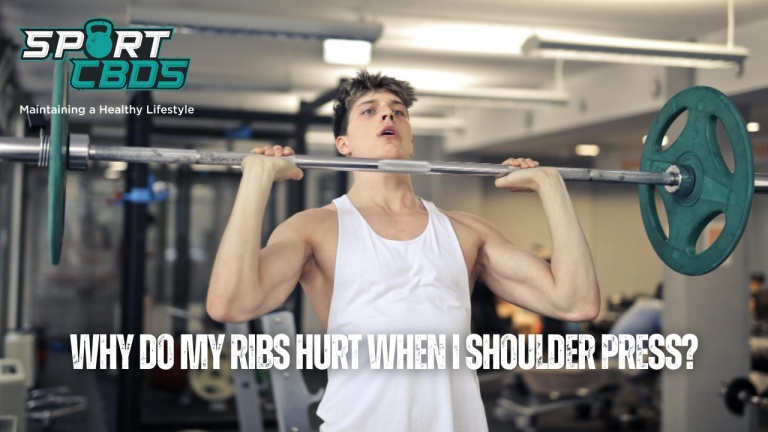
Rib pain during shoulder press is more common than most people realise — and it’s rarely the ribs themselves that are the problem. Rib cage flare, weak core muscles, and tight upper body muscles are usually to blame. Here’s what’s actually causing the discomfort and the practical steps to address it before it becomes a bigger issue.
Can I Build Big Legs Without Squats or Deadlifts? A Step-by-Step Guide
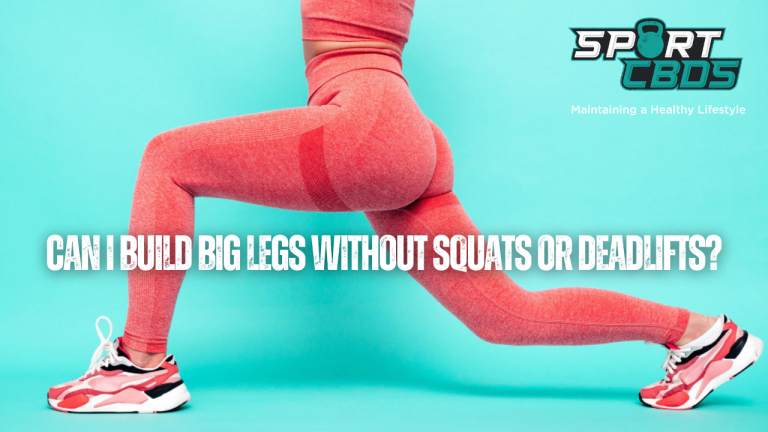
Squats and deadlifts get all the attention when it comes to leg training — but they’re not the only path to building strong, muscular legs. Whether you have a back issue, limited equipment, or simply want variety, there are plenty of highly effective alternatives. Here’s the complete guide to building big legs without ever touching a barbell squat or conventional deadlift.
Solving the Puzzle: Why Does the Ab Wheel Hurt My Arms?
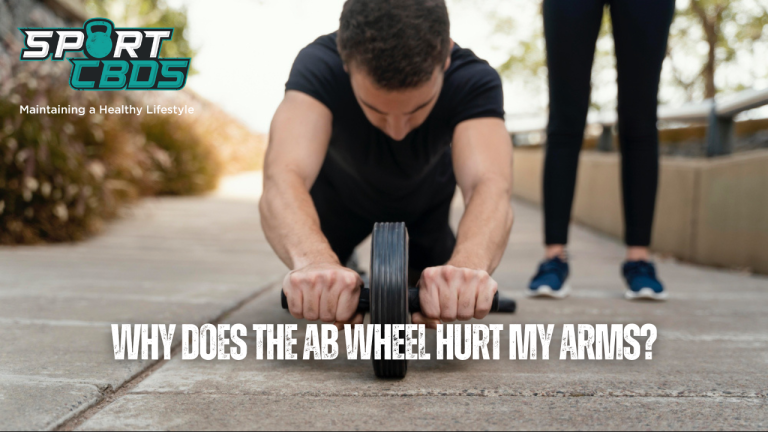
If the ab wheel is burning your arms more than your abs, your core isn’t doing the work it should be — and that’s a form problem, not a strength problem. Over-relying on your arms, bending your elbows, and a weak core are the most common culprits. Here’s the detailed breakdown and the corrections that will finally make you feel it in your abs.
The Ultimate Guide: How Often Should You Max Out Lifting Weights?
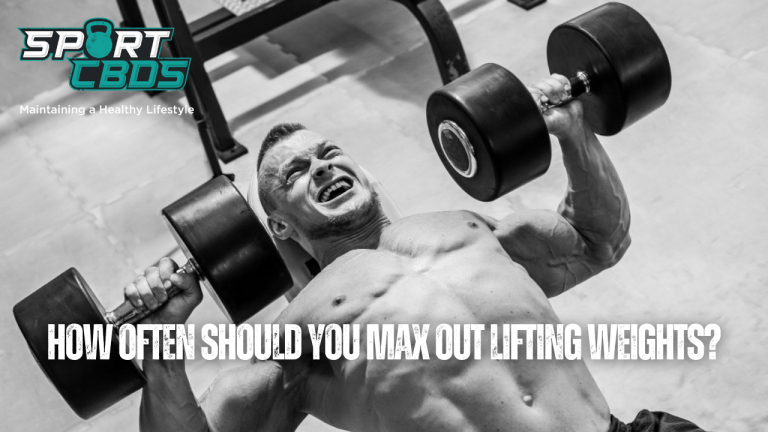
Maxing out is one of the most useful tools in strength training — but do it too often and you’re asking for injury, fatigue, and stalled progress. Most lifters should be testing their true 1 rep max every three to four months at most. Here’s everything you need to know about frequency, the risks of overdoing it, and safer alternatives for measuring progress.
Unlock Your Strength: How Many Sets and Reps for Lat Pulldowns?

The lat pulldown is one of the most versatile back exercises you can do — but the sets and reps you should be doing depend entirely on what you’re training for. Strength, hypertrophy, and endurance all call for different approaches. Here’s the complete breakdown so you can programme your lat pulldowns with purpose rather than guesswork.
Is it Better to do Bicep Curls Against a Wall? Myth or Magic for Muscle Growth?
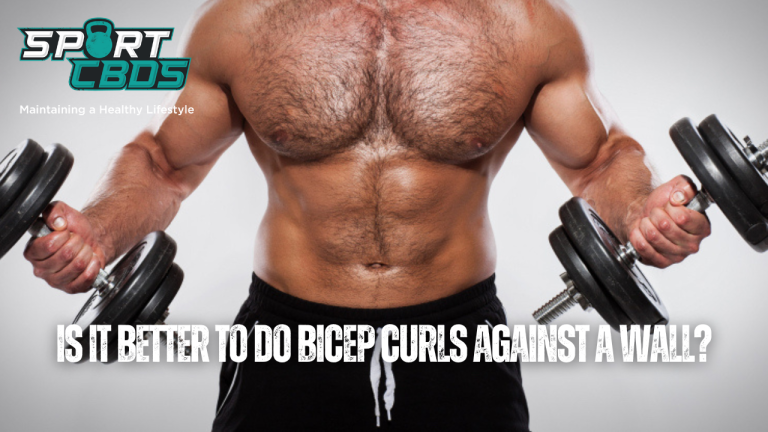
Doing bicep curls against a wall is a simple technique tweak that can make a real difference — especially if you tend to swing or use momentum when you lift. By eliminating body movement, the wall forces your biceps to do all the work. But is it actually better? Here’s an honest comparison of wall curls versus standing and seated variations, and when each makes sense.
Chest Sculpting 101: Is Flat Bench Press and Incline Bench Press Enough for Your Chest?
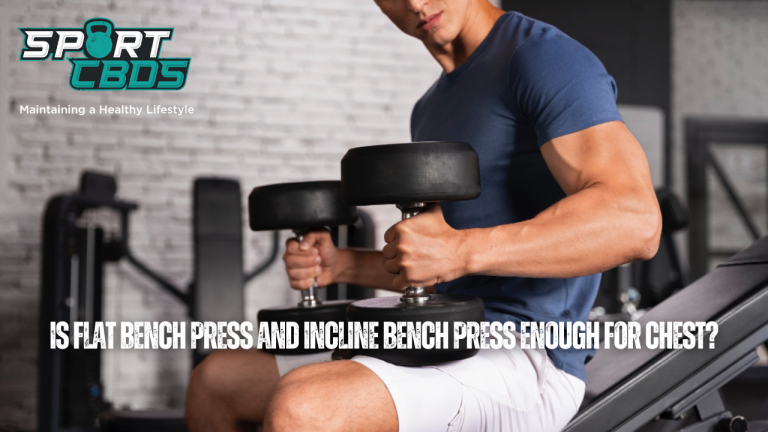
Flat and incline bench press are two of the most effective chest exercises you can do — but together, are they enough for complete chest development? The answer depends on your goals, but for most people there are gaps worth filling. Here’s an honest breakdown of what these two exercises cover, what they miss, and which additional movements will round out your chest training.