

Feeling strong and capable one session then flat and weak the next is one of the most common experiences in training — and it’s rarely random. Nutrition, hydration, sleep quality, glycogen levels, stress, workout timing, and overtraining all directly affect how you perform on any given day. Here’s a thorough breakdown of why you only feel stronger in the gym on some days and the practical steps to make your good days more consistent.
Not Feeling Lats On Back Exercises? Answers Here

Failing to feel your lats during back exercises is one of the most common training frustrations — and it almost always comes down to technique rather than effort. Too much weight, poor scapular engagement, pulling with the hands instead of the elbows, and a weak mind-muscle connection are the main culprits. Here’s a thorough breakdown of why you aren’t feeling your lats on back exercises and exactly what to do to fix it.
Why Can I Not Feel My Biceps While Doing Bicep Curls? Answers Here
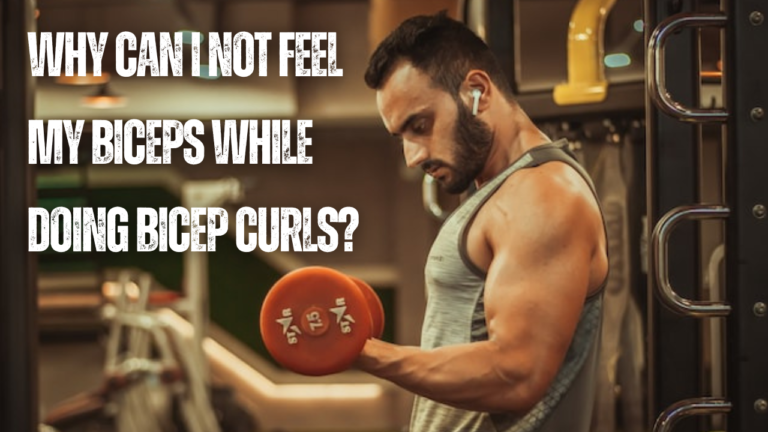
Not feeling your biceps during curls is one of the most common frustrations in arm training — and it’s almost always a technique issue rather than a muscle problem. Swinging the weight, flaring the elbows, excessive wrist flexion, gripping too tightly, and rushing through reps are the most common culprits. Here’s a thorough breakdown of why you can’t feel your biceps during curls and the specific adjustments that will fix it.
Why Do I Feel Dumbbell Chest Flys In My Shoulders? Find Out Here
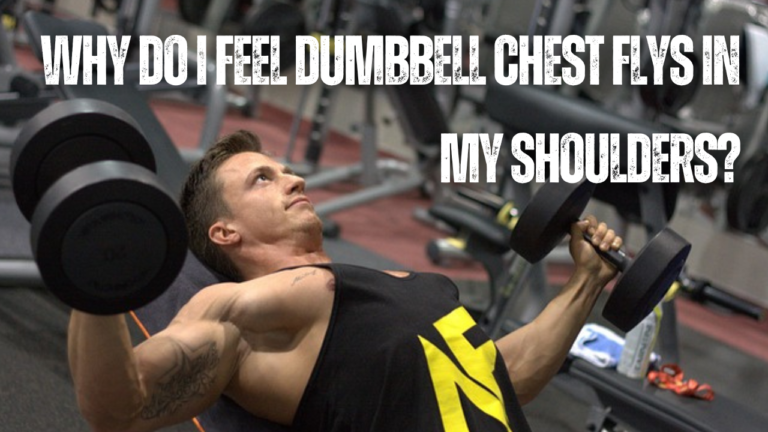
Dumbbell chest flys should be a chest exercise — so if your shoulders are dominating, something in your technique needs addressing. Lifting too high, rounding the shoulders, lack of scapular engagement, incorrect elbow bend, and poor mind-muscle connection are the most common causes. Here’s a thorough breakdown of why you feel chest flys in your shoulders and the specific adjustments that will finally get your pecs doing the work.
Why Is My Lateral Raise So Weak? Answers Here

The lateral raise looks deceptively simple — but it’s actually one of the hardest shoulder exercises to do well. Poor form, too much weight, shrugging, wrist flexion, fatigue, and the challenging leverage mechanics of the movement all contribute to weakness. Here’s a thorough breakdown of why your lateral raise is so weak and the specific adjustments that will help you make real progress with it.
Why Do My Squats Lean To The Side? Find Out Here
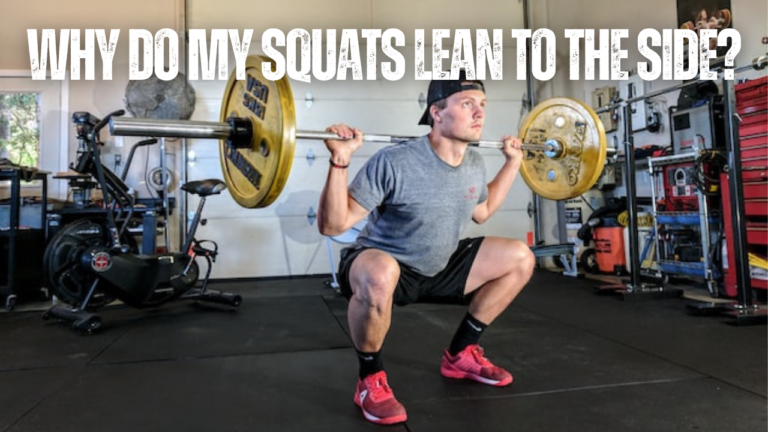
A squat that leans to one side is a sign that something in your setup, mobility, or muscle balance needs attention — and left unaddressed, it can lead to injury. Bar placement, grip asymmetry, muscle imbalances, foot positioning, pelvic twist, and weak stabiliser muscles are among the most common causes. Here’s a thorough breakdown of why your squats lean to one side and what to do to get your form balanced and symmetrical again.
Why Do My Arms Hurt When Doing Planks? Find Out Here
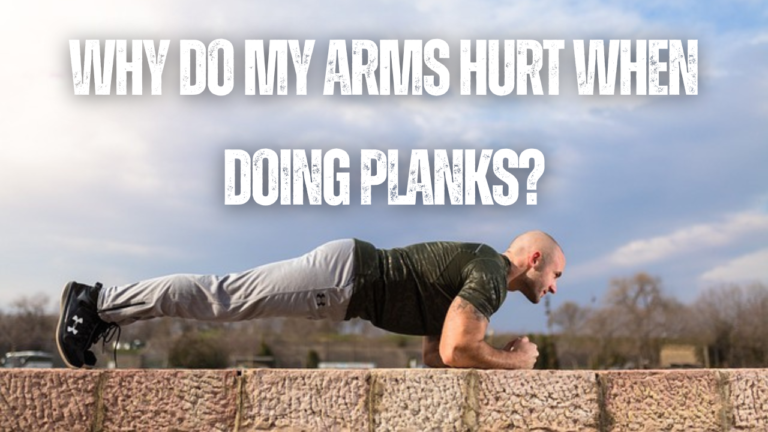
Arm pain during planks is a surprisingly common complaint — and it’s usually down to positioning, tension, or a strength gap rather than anything serious. Arm placement too wide or narrow, clenched fists, incorrect forearm position, body weight, weak muscles, and insufficient warm-up are among the most common causes. Here’s a thorough breakdown of why your arms hurt when doing planks and what to do to fix each cause.
Which Muscles Respond Better To High Reps? Answers Here

The high reps vs low reps debate isn’t just about preference — different muscle groups genuinely respond better to different rep ranges based on their fibre composition and function. Shoulders, arms, calves, glutes, and core muscles tend to respond well to higher reps, while chest, back, and hamstrings often respond better to heavier, lower-rep work. Here’s a thorough breakdown of which muscles respond better to high reps and the training principles behind it.
Why Do I Feel Lat Pulldowns In My Core? Find Out Here
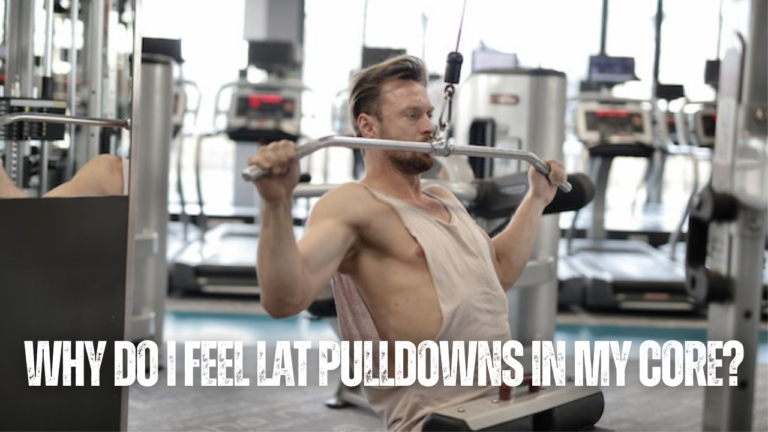
Feeling lat pulldowns in your core is a common sign that something in your form or setup is off — and it’s usually correctable with a few simple adjustments. Leaning back too far, incorrect grip width, angle of pull, too much weight, poor seating position, and weak core stability are the most frequent causes. Here’s a thorough breakdown of why you feel lat pulldowns in your core and what to do to fix each one.
Forearms Hurt Doing Barbell Curls? Answers Here
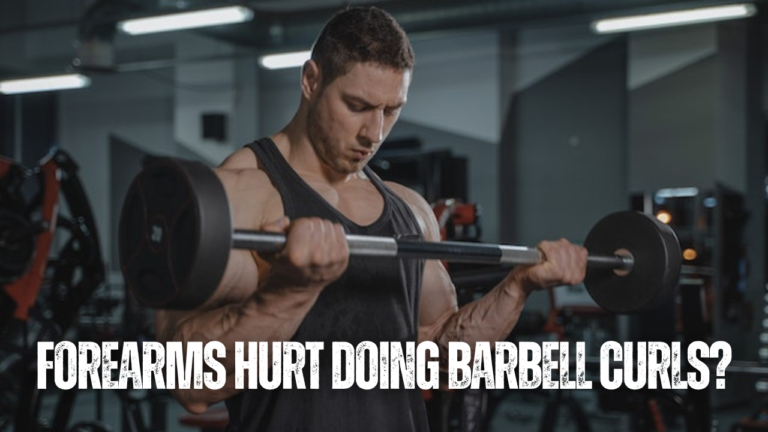
Forearm pain during barbell curls is more common than most people expect — and it’s almost always down to something fixable. Gripping too tightly, incorrect grip width, wrist flexion, curling too heavy, poor form, and weak forearms are the most frequent causes. Here’s a thorough breakdown of why your forearms hurt doing barbell curls and what you can do to address each cause properly.