


This 20-minute upper body kettlebell EMOM workout covers 11 exercises in a single round with no repeats, targeting the back, chest, shoulders, arms and core simultaneously. Using just one kettlebell, you’ll work through lateral swings, gorilla rows, bottoms-up press, face pulls and more — all designed for maximum efficiency. Whether you’re new to kettlebells or a seasoned lifter, this session will get your heart rate up and your upper body firing.
Are Dips And Push Ups Enough For Chest Development? Find Out Here
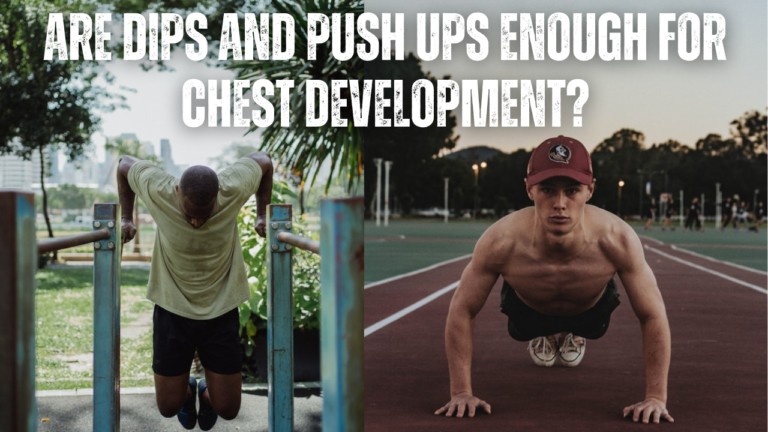
Dips and push-ups are excellent chest exercises — but whether they’re enough depends entirely on your goals. For beginners and those training without equipment they can take you a long way, but for size, definition, and targeting different areas of the chest, variety and progressive overload become essential. Here’s a thorough breakdown of what dips and push-ups deliver for chest development and what you’d need to add to go further.
Sore Glutes After Doing Overhead Press? Issue Solved
Sore glutes after an overhead press is a surprisingly common complaint — and while it might seem like an odd place to feel it, there are clear reasons why it happens. Weak glutes, weak core, poor hip mobility, incorrect form, insufficient warm-up, and previous lower body sessions are among the most frequent causes. Here’s a thorough breakdown of why your glutes are sore after overhead pressing and what to do about each cause.
Are Your Shoulders Supposed To Be Sore After Deadlifts? Answers Here

Some shoulder soreness after deadlifts can be normal — but if it’s persistent or sharp, it usually points to something in your technique or setup that needs attention. Poor form, bar too far from the body, incorrect grip, insufficient warm-up, and lack of shoulder strength are the most common culprits. Here’s a thorough breakdown of why your shoulders are sore after deadlifts and what you can do to address each cause.
Why Are My Abs Gone Right After Ab Workout? Answers Here
If your abs look less defined immediately after training them, you’re not imagining it — and it’s not a sign the workout failed. Water retention, inflammation, micro tears, the pump, increased plasma volume, and depleted glycogen stores all contribute to that temporary post-workout puffiness. Here’s a thorough breakdown of why your abs seem to disappear right after an ab workout and what each cause means for your training.
Kettlebell Workout For Runners – 20 Minutes, Run Faster For Longer

This 20-minute kettlebell workout for runners targets the exact muscles you need to run faster and for longer — legs, glutes, core, and stability. With 7 exercises across two rounds including single leg deadlifts, goblet squats, lateral lunges, and hip thrusters, it builds the explosive strength and postural control that directly transfers to better running performance. All you need is one kettlebell and around 20 minutes.
Why Do I Look Fat After Working Out? Find Out Here

Looking bigger or puffier after a workout than before it is one of the most disheartening experiences in fitness — but it’s almost always temporary and explainable. The pump, water retention, inflammation, micro tears, increased cortisol, and dilated blood vessels all contribute to that post-workout bloated appearance. Here’s a thorough breakdown of why you look fat after working out and what each cause actually means for your progress.
Why Are Pull ups harder than dips? Everything You Need To Know
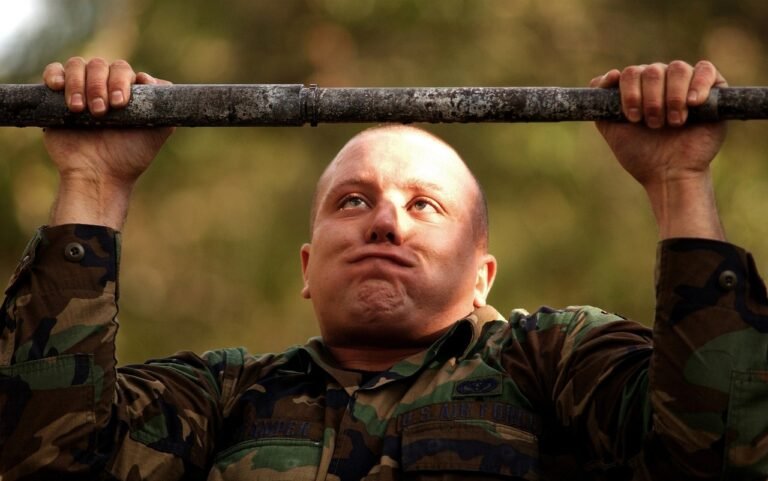
If pull-ups feel significantly harder than dips, you’re not imagining it — and it’s not a fitness failing. The muscles involved, the force required to lift your full body weight from a hang, grip demands, range of motion, and the complexity of the pulling motion all make pull-ups inherently more challenging. Here’s a thorough breakdown of exactly why pull-ups are harder than dips and what you can do to close the gap.
Can You Train Your Triceps The Day Before Chest Day? Find Out Here
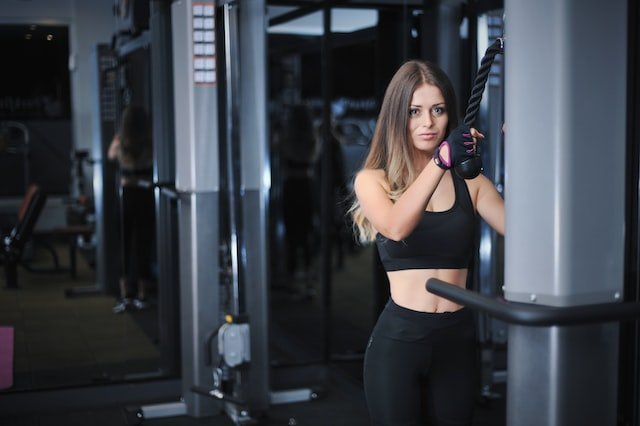
Training triceps the day before chest day is technically possible — but it’s one of those things you can do without it necessarily being a good idea. Since the triceps are heavily involved in virtually every chest exercise, arriving at chest day with fatigued triceps compromises your form, reduces your working weight, and raises your injury risk. Here’s a thorough breakdown of why the ordering matters and how to structure your training week to get the most from both sessions.
Why Does My Collarbone Hurt After Chest Workout? Everything You Need To Know

Collarbone pain after chest training is more common than most people realise — and while it’s often down to something correctable like grip width, bar path, or lifting too heavy, it can occasionally point to something that needs medical attention. Distal clavicular osteolysis, AC joint issues, rotator cuff tendonitis, and previous injuries are among the conditions that can contribute. Here’s a thorough breakdown of why your collarbone hurts after a chest workout and when to seek professional advice.