


Wrist pain during the overhead press can stop a shoulder session in its tracks — and it’s almost always down to something correctable. Wrist extension, incorrect grip width, gripping too hard, bar placement in the hand, too much weight, and weak wrists are the most common causes. Here’s a thorough breakdown of why your wrists hurt during overhead press and the specific fixes that will protect your joints going forward.
Why Do Squats Feel So Awkward? 21 Reasons Why & Ways To Fix
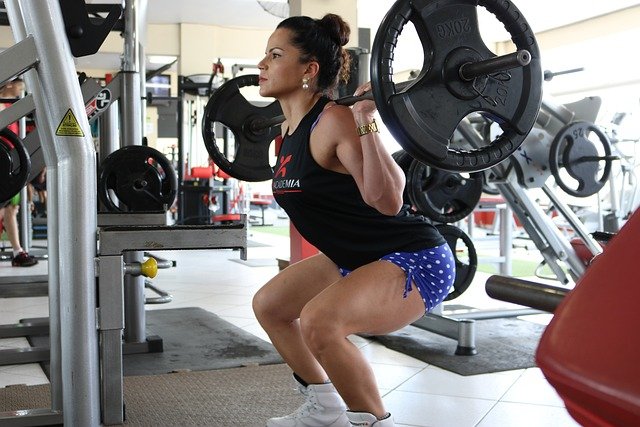
If squats feel awkward, you’re in good company — and there’s almost always a specific reason behind it. Foot positioning, knee tracking, bar placement, grip, spinal position, weak core, ROM limitations, and lifting too heavy are among the most common culprits. Here are twenty-one specific reasons why squats feel so awkward and the targeted fixes that will help you build a more confident, comfortable and effective squat.
Why Can I Only See My Upper Abs? Find Out Why Here

If your upper abs are visible but your lower abs remain stubbornly hidden, you’re dealing with one of the most common frustrations in fitness — and it almost always comes down to body fat distribution rather than a lack of training. The human body stores fat in the lower abdomen first and loses it from there last, by evolutionary design. Here’s a thorough breakdown of why you can only see your upper abs and the specific dietary, lifestyle, and training changes that will help reveal the rest.
Do I Need Progressive Overload During A Cut? Find Out Here

Progressive overload during a cut is one of the most misunderstood topics in fitness programming. While you’re unlikely to build significant new muscle in a calorie deficit, progressive overload remains essential for preventing muscle loss and maintaining the strength and size you’ve already built. Here’s a thorough breakdown of whether you need progressive overload during a cut, the best ways to apply it, and how to balance intensity with recovery.
Why Do My Forearms Get Tight When I Do Back Exercises? Find Out Why Here

Tight forearms during back exercises is a sign that your grip, wrist position, or technique is allowing the forearms to take over work that should be going through your back. Gripping too hard, wrist flexion, holding the bar in the fingers rather than the palm, lifting too heavy, and poor mind-muscle connection are the main causes. Here’s a thorough breakdown of why your forearms get tight on back exercises and what to change to fix it.
Why Do I Only Feel Bicep Curls In One Arm? Find Out Here For Super Symmetry

Feeling bicep curls predominantly in one arm is a common sign of muscular imbalance — and it won’t fix itself without some deliberate attention. Previous injury, restricted range of motion, grip issues, poor form, going too heavy, and day-to-day dominant arm habits are among the most frequent causes. Here’s a thorough breakdown of why you only feel bicep curls in one arm and the targeted steps to even things out and build balanced strength.
15-Minute Upper Body Kettlebell Workout – No6 – Savage EMOM Routine

This 15-minute upper body kettlebell EMOM workout is a savage single-round session covering 12 exercises that hit the back, chest, shoulders, arms and core. From swings and clean and press to goblet squat curls and one-arm rows, every rep counts and there’s nowhere to hide. All you need is one kettlebell — follow along with the video and give it everything you’ve got.
Why Do I Feel My Lats When Doing Push Ups? Problem Solved For Rapid Progress
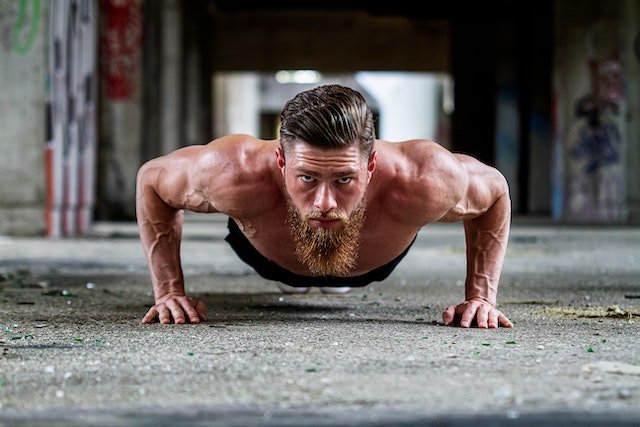
Feeling your lats during push-ups is more common than most people expect — and it’s not always a bad thing. Your lats are genuine stabilisers during the movement, but if they’re dominating the exercise, it usually points to a form issue, muscle imbalance, hand position problem, or restricted range of motion. It might not even be your lats at all — the teres major, rhomboids, and serratus anterior are often the culprit. Here’s a thorough breakdown of what’s going on and how to address it.
Does Shoulder Press Work Side Delts? Find Out Here

The shoulder press is an excellent compound movement — but it primarily targets the anterior deltoid, with the lateral (side) deltoid getting a supporting role rather than the starring one. If building wider, rounder shoulders is your goal, understanding this distinction matters. Here’s a thorough breakdown of how much shoulder press works the side delts, which grip variations help most, and which supplementary exercises will round out your shoulder development properly.
Why Am I So Tired After Deadlifts? Everything You Need To Know
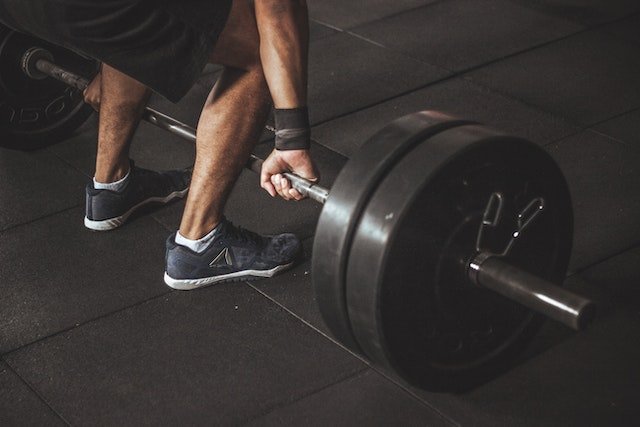
Deadlifts are one of the most systemically demanding exercises you can do — and feeling completely wiped out afterwards is a perfectly normal response. The combination of full-body muscle recruitment, heavy CNS demand, high energy expenditure, and mental focus required makes them uniquely draining. Here’s a thorough breakdown of everything that contributes to post-deadlift fatigue and what you can do to manage recovery more effectively.