

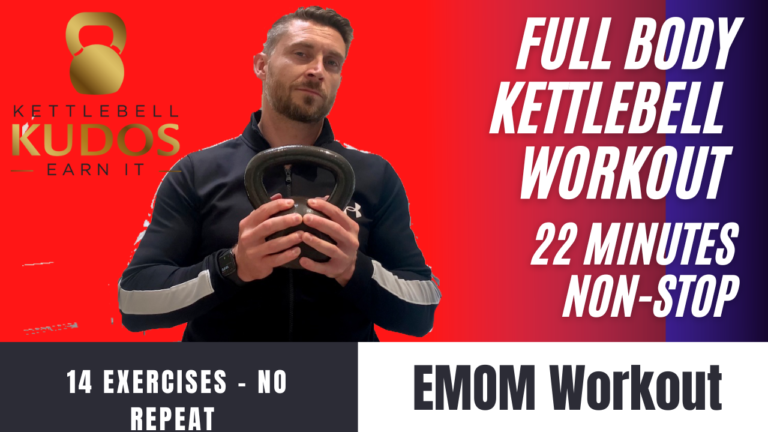
This 22-minute full body kettlebell EMOM is an intense no-repeat session covering fourteen different exercises with one kettlebell. From plank pass and Turkish get-ups to snatches, racked squats, cleans, and lateral squats — every 40-second block brings something new. It’s a high-intensity session that works every major muscle group from start to finish. Follow along with the video and give every second of work everything you’ve got.
How Much Muscle Do You Lose When Cutting? Everything You Need To Know

Cutting is one of the most nuanced phases in any fitness regimen — and muscle loss is the main concern. On average, athletes can lose between 500g and 1kg of muscle per week during a cut, but with the right approach this can be significantly reduced. Protein intake, training intensity, cutting speed, and recovery all play a crucial role. Here’s a thorough breakdown of how much muscle you lose when cutting and the strategies that will help you preserve as much as possible.
Why Are My Abs Sore After Kettlebell Swings? 12 Crucial Tips To Cure Issue

Ab soreness after kettlebell swings is a common experience — and it’s usually a sign your core is working harder than it’s used to. The swing recruits the entire core as a stabiliser, and factors like tension in the movement, too much weight, excessive reps, swing variation, poor form, and DOMS all contribute. Here are twelve specific reasons your abs are sore after kettlebell swings and what to do to manage and prevent the soreness.
How Fast Should My Bench Press Be Increasing As A Beginner? All The Answers For Rapid Progress

One of the most common questions beginners ask is how quickly their bench press should be improving — and the honest answer depends on several factors. Starting strength, training frequency, recovery quality, nutrition, and experience level all influence the rate of progress. Here’s a thorough breakdown of realistic bench press progression for beginners, when to expect a plateau, and the key adjustments that will keep you moving forward.
Why Is My Bench Press Not Improving? (All The Answers To Smash Through Plateau)
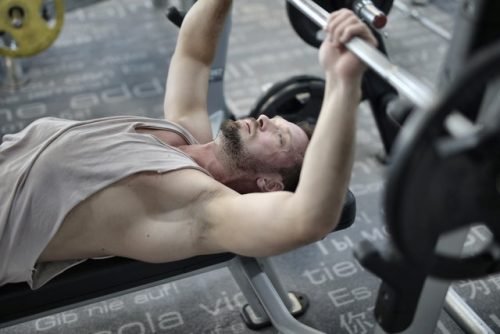
If your bench press has stalled, you’re dealing with one of the most common frustrations in strength training — and there’s almost always a specific reason behind it. Loose set-up, improper foot and grip position, weak upper back, overtraining, insufficient frequency, and lack of a structured programme are among the most common causes. Here’s a thorough breakdown of exactly why your bench press isn’t improving and the actionable steps to break through the plateau.
How Do I Make Leg Day More Bearable? (Everything You Need To Know)
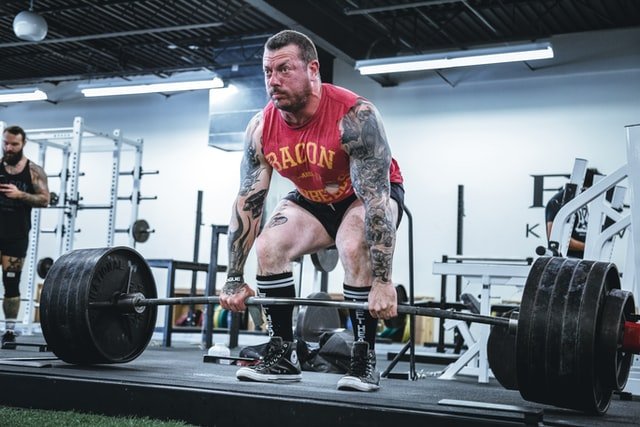
Leg day has a reputation for being the hardest and most dreaded session of the week — but it doesn’t have to be something you avoid. Mental preparation, the right music, proper fuelling and hydration, varied programming, adequate rest, and managing DOMS all make a significant difference. Here’s a thorough breakdown of everything you need to know to make leg day more bearable and keep showing up consistently.
Why Is One Arm Stronger Than The Other? (All The Answers For Perfect Symmetry)

Arm strength imbalances are incredibly common — and most people have them without fully understanding why. The dominant arm phenomenon, genetics, unbalanced training habits, muscle imbalances, posture, and grip strength differences all contribute to one arm being noticeably stronger than the other. Here’s a thorough breakdown of exactly why one arm is stronger than the other and the targeted strategies to even things out.
Why Do I Feel Bicep Curls In My Forearms? (12 Crucial Things To Consider)
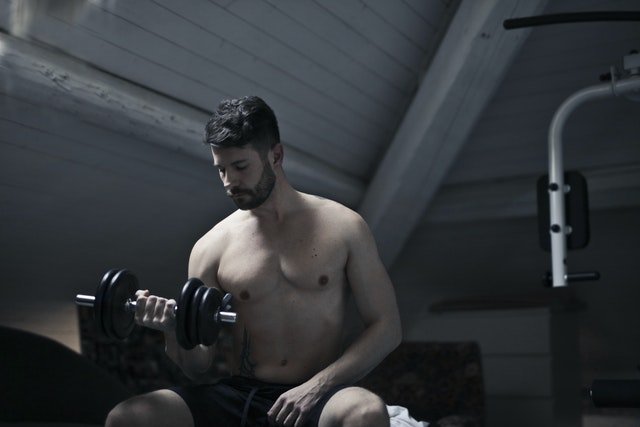
Feeling bicep curls in your forearms is a common complaint — and it almost always points to a technique issue rather than anything more serious. Poor bicep isolation, going too heavy, gripping too tightly, wrist flexion, doing curls too late in your session, and the wrong angle of curl are among the most common causes. Here are twelve specific things to consider if you feel bicep curls in your forearms and what to change to get the biceps working properly.
Do Kettlebell Cleans Work Biceps? (All You Need To Know Here)
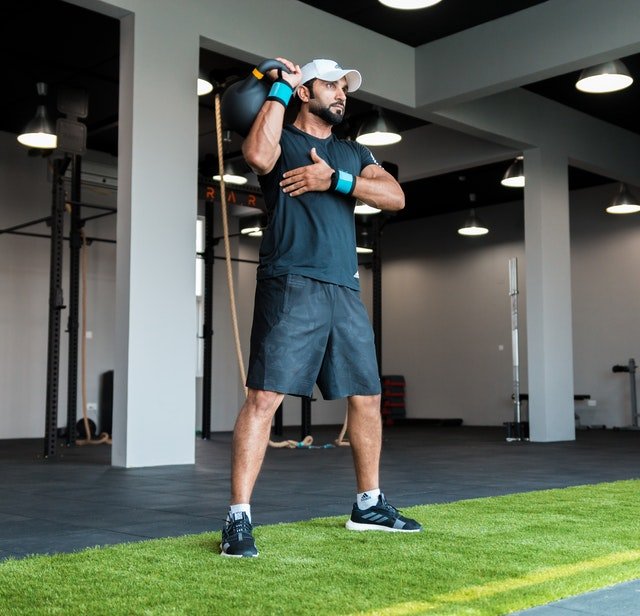
Kettlebell cleans do work the biceps — but only to a limited degree. The movement is primarily driven by the lower body, with the arms acting as a guide rather than the primary mover. The biceps are most involved during the pull phase and when holding the rack position. Here’s a thorough breakdown of how kettlebell cleans work the biceps, what affects the degree of activation, and what to do if you’re looking to target the biceps more directly.
What Is The Most Painful Gym Exercise? (All The Answers Here)
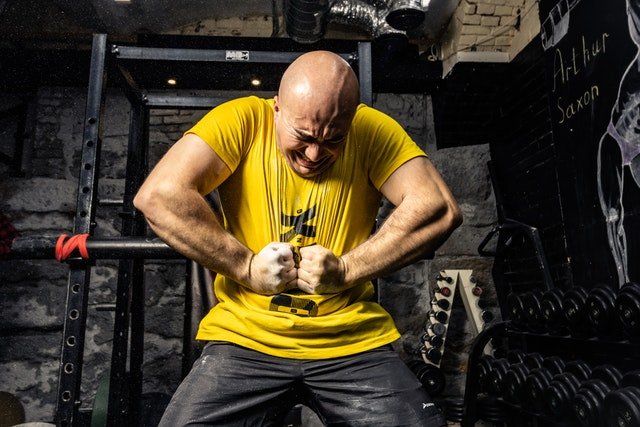
What counts as the most painful gym exercise depends on the individual — your pain threshold, training history, joint health, fitness goals, and how you train all play a role. That said, certain exercises consistently come up as the most demanding: burpees, pull-ups, heavy squats, deadlifts, box jumps, and high-intensity training methods like Tabata and drop sets. Here’s a thorough breakdown of what makes certain exercises painful and how to approach them more effectively.