

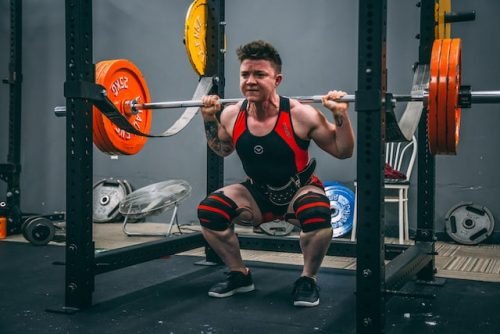
Groin pain during squats is a common complaint — and understanding the cause is the first step to fixing it. Hip impingement, strained adductor muscles, athletic pubalgia, improper form, and overtraining are among the most frequent culprits. Here’s a thorough breakdown of exactly why squats hurt your groin, a detailed look at each cause, and the prevention and recovery strategies that will get you back to squatting without pain.
Why Are My Pull Ups Getting Worse? All The Answers To Get Back On Track
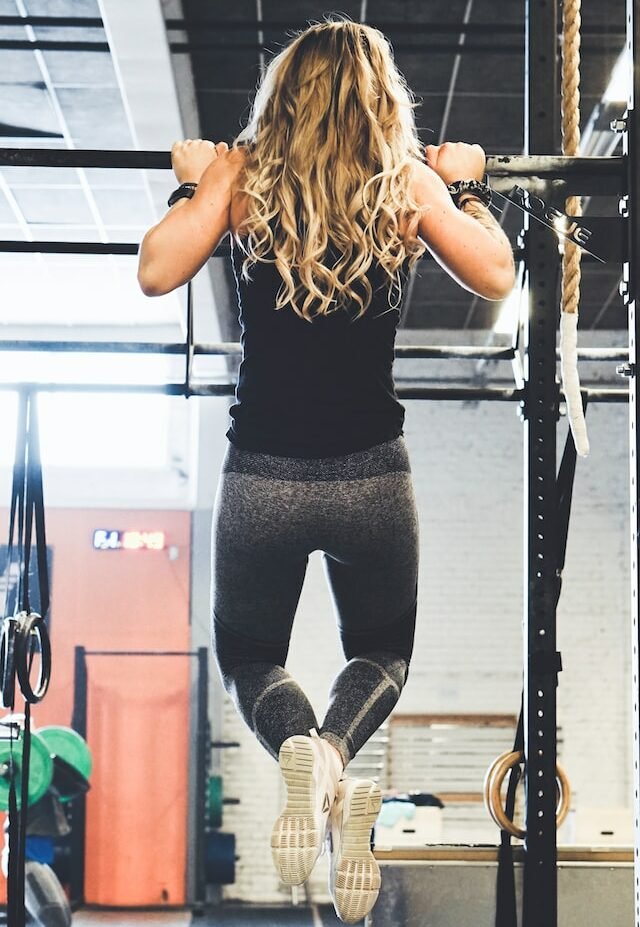
If your pull-ups are going backwards it can be genuinely demoralising — especially when you’ve put in the work. Overtraining, insufficient rest, poor form, not progressing your routine, grip weakness, weight gain, mental blocks, and doing pull-ups too late in your session when fatigued are among the most common causes. Here’s a thorough breakdown of exactly why your pull-ups are getting worse and the targeted steps to reverse the decline.
Why Is My Bench Press So Inconsistent? Everything You Need To Know

An inconsistent bench press is one of the most frustrating training experiences — and it’s rarely down to just one thing. Poor technique, overtraining, insufficient rest, fatigue, stress, diet, muscle imbalances, training time, and mental blocks all play a role. Here’s a thorough breakdown of exactly why your bench press is inconsistent and the targeted steps you can take to build a more reliable and progressive press.
Why Do Diamond Push Ups Hurt? All The Answers Here
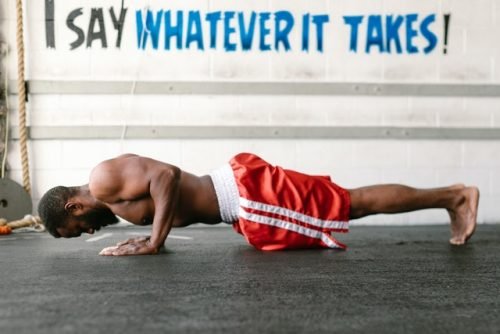
Diamond push-ups are one of the most effective tricep exercises — but they’re also one of the most commonly performed incorrectly, which is where the pain comes from. The narrow hand position places significant load on the wrists and elbows, and mistakes like flaring the elbows, poor scapular contraction, and progressing too quickly can quickly lead to injury. Here’s a thorough breakdown of exactly why diamond push-ups hurt and how to perform them correctly to avoid the pain.
Full body EMOM Kettlebell Workout for Total Fitness – 15 Mins | Double kettlebell Workout
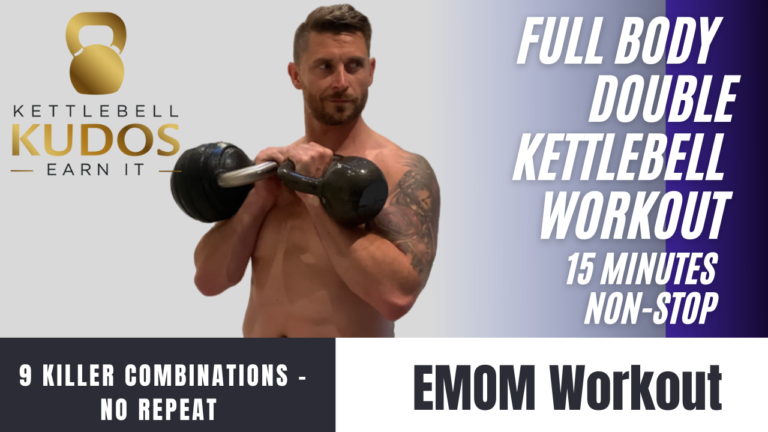
This 15-minute double kettlebell EMOM workout is a killer full-body session using two kettlebells across nine unique exercises with no repeats. From two-hand pull and snatch to renegade rows, KB thrusters, dead bugs with press, and a full deltoid blast, every minute brings a new challenge. Grab two kettlebells of moderate weight, follow along with the video, and get your sweat on.
Will Powerlifting Destroy Your Body? All The Answers Here – Good & Bad

The idea that powerlifting destroys your body is one of the most persistent myths in strength sports — and like most fitness myths, the reality is more nuanced. When practiced with proper technique, appropriate loading, and adequate recovery, powerlifting is no more dangerous than many other sports and carries significant physical and mental benefits. Here’s a thorough breakdown of the real risks, the genuine benefits, and how to approach powerlifting responsibly for long-term health.
Why Do I Feel Bicep Curls In My Chest? Everything You Need To Know

Feeling bicep curls in your chest is an unusual sensation — and it’s almost always a sign that your form has broken down somewhere. Elbows flaring or swinging forward, leaning into the weight, grip too wide, using too much weight, and not keeping the core engaged are the most common causes. Here’s a thorough breakdown of why you feel bicep curls in your chest and the specific adjustments that will isolate your biceps properly.
Why Do Squats Make Me Feel Dizzy? Everything You Need To Know
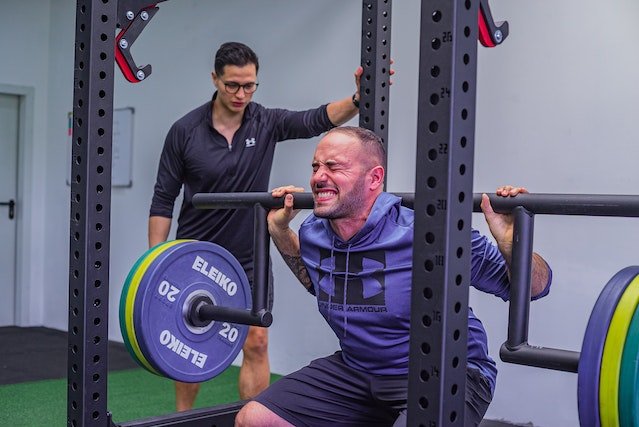
Feeling dizzy during or after squats is more common than most people realise — and there are several specific causes worth investigating. Breath holding, dehydration, low blood sugar, incorrect bar placement, blood pressure drops, going too heavy, poor physical conditioning, and underlying medical conditions like anaemia can all contribute. Here’s a thorough breakdown of exactly why squats make you dizzy and what you can do about each cause.
Why Do I Feel Lat Pulldowns In My Forearms? All The Answers Here
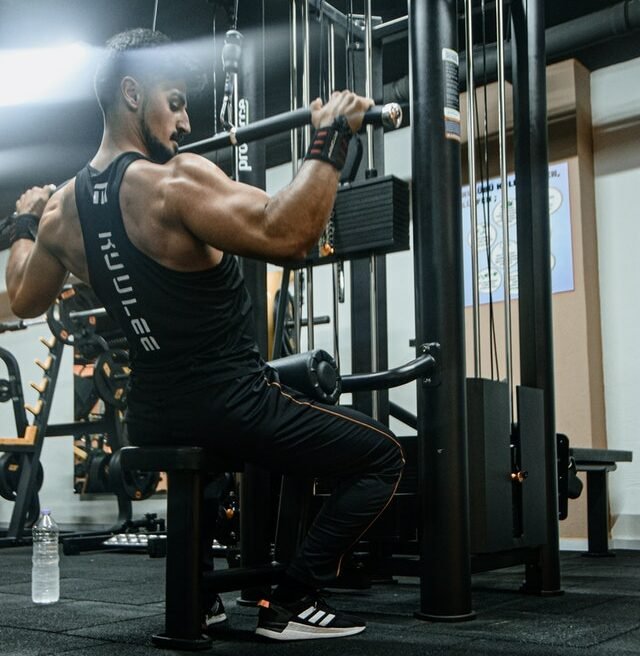
Feeling lat pulldowns in your forearms is a sign that the lats aren’t being properly activated — and it’s almost always a form or technique issue. Leaning back too far, pulling at the wrong angle, gripping too tightly, lowering the bar too far, not sitting close enough to the pad, and going too heavy are the most common causes. Here’s a thorough breakdown of why you feel lat pulldowns in your forearms and the specific adjustments that will fix it.
Why Are My Pull Ups Decreasing? All You Need To Know For Better Results

A decline in pull-up performance is frustrating — especially when you’ve worked hard to build them up. Muscle adaptation, insufficient rest, overtraining, muscle gain adding body weight, poor form, injury or illness, inadequate nutrition, and reduced range of motion are among the most common causes. Here’s a thorough breakdown of exactly why your pull-ups are decreasing and the targeted steps to get them moving in the right direction again.