

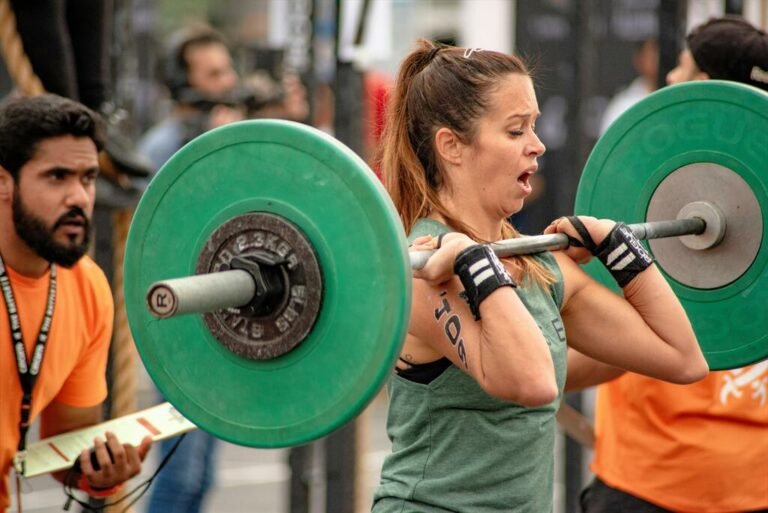
If your biceps are taking the strain during shoulder press instead of your deltoids, the cause is almost always a form or technique issue. Flared elbows, wrist flexion, incorrect grip width, an arced bar path, weak core and glutes, and using too much weight are the most common culprits. Here are fourteen specific solutions to identify why you feel shoulder press in your biceps and the adjustments that will shift the focus back to your deltoids where it belongs.
Shoulders
Why Do I Feel Overhead Press In The Middle Of My Back? 12 Tips For Rapid Results
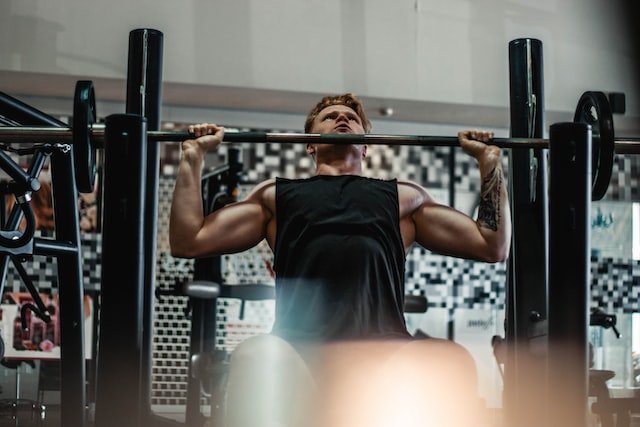
Feeling the overhead press in your mid back is a sign that something in your technique or muscle activation is off — and in most cases it’s very fixable. Too much weight, poor form, incorrect bar path, weak core, not engaging the glutes, and excessive mid-back bend are the most common causes. Here are twelve specific tips to understand why you feel overhead press in your mid back and what to adjust to resolve it.
Can’t Do Shoulder Press? Problem Solved Here

If shoulder press has always felt uncomfortable, painful, or simply impossible to do well, there’s almost certainly a specific reason behind it. Poor range of motion, lack of shoulder and core strength, incorrect form, going too heavy, grip issues, and overuse of the shoulder joint are among the most common causes. Here’s a thorough breakdown of why you can’t do shoulder press and what to address to finally make it work for you.
Does My Bench Press Affect My Overhead Press? 10 Important Factors To Consider
The bench press and overhead press share more muscle overlap than most people realise — particularly through the front deltoids and triceps — which means how you programme them together matters. Done correctly, each lift can support the other. Done carelessly, one can undermine the other through fatigue, overtraining, or poor recovery. Here are ten important factors to consider when looking at how bench press affects your overhead press and how to structure both for maximum progress.
How Much Of Your Body Weight Should You Be Able To Overhead Press? 8 Crucial Factors To Consider

How much of your body weight you should be able to overhead press depends on more factors than most people realise — experience level, body weight, height, limb length, genetics, and goals all play a role. General guidelines exist, but they’re just starting points. Here are eight crucial factors to consider when setting your overhead press targets and building towards them progressively and safely.
Why Is My Overhead Press So Bad? Everything You Need To Know For Getting Stronger
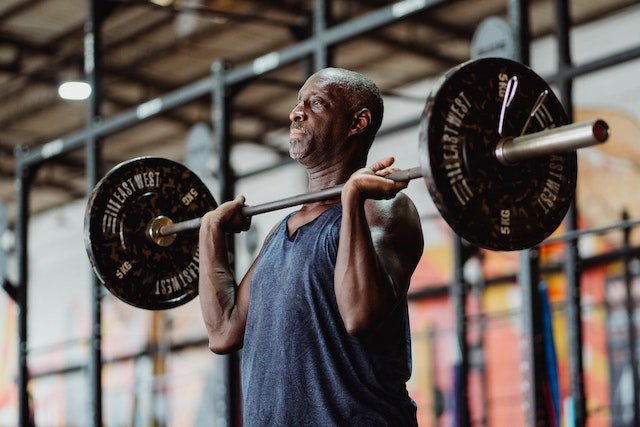
A poor overhead press is one of the most common frustrations in upper body training — and because it’s a compound movement involving multiple muscle groups, there are many potential weak links. Lack of deltoid and rotator cuff strength, weak core, poor scapular mobility, incorrect grip, non-vertical bar path, restricted range of motion, and overtraining all contribute. Here’s a thorough breakdown of exactly why your overhead press is struggling and what to do to turn it around.
Why Is My Shoulder Press Getting Weaker? Vital Tips For Rapid Improvement

A declining shoulder press is frustrating — especially when you’re putting in the work. Insufficient rest, poor diet, overtraining, carrying an injury, inadequate range of motion, mental fatigue, poor form, and training chest too close to shoulder day are among the most common causes. Here’s a thorough breakdown of why your shoulder press is getting weaker and the targeted steps to turn it around.
Why Is My Shoulder Press So Weak? All You Need To Know For Better Results Fast

A weak shoulder press is one of the most common frustrations in upper body training — and because it’s a compound movement, the weak link could be coming from several directions. Form issues, insufficient weight or too much weight, weak core and glutes, rotator cuff problems, scapular weakness, poor posture, incorrect breathing, and insufficient training volume all play a role. Here’s a thorough breakdown of exactly why your shoulder press is weak and what to do to build it up properly.
Why Is Shoulder Press So Hard? All The Answers For Rapid Progress

The shoulder press is genuinely one of the more demanding upper body exercises — and for good reason. The shoulder is a complex, relatively small joint with a large range of motion, the muscles that support it tire quickly, and the movement demands core stability, scapular control, lat engagement, and full-body tension all at once. Here’s a thorough breakdown of exactly why the shoulder press is so hard and what you can do to make meaningful progress.
Why Are My Shoulders Never Sore? 16 Crucial Factors To Consider
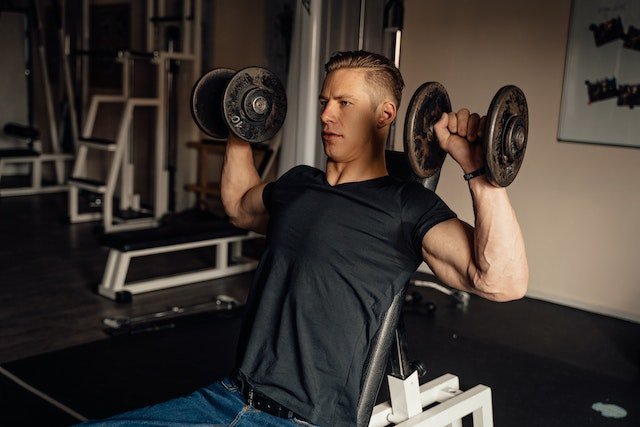
Never feeling sore in your shoulders after training is actually quite common — and it doesn’t automatically mean your workout was ineffective. The deltoids are a smaller muscle group that get significant secondary work across many upper body exercises, which means they adapt quickly. That said, there are specific things you can change if you want more from your shoulder sessions. Here are sixteen crucial factors to consider if your shoulders are never sore and what to do about it.