


Elbow pain during lateral raises is more common than most people realise — and it’s almost always preventable. Incorrect form, overuse, and pre-existing conditions like tennis elbow are the main culprits. Here’s a clear explanation of what’s going wrong, how to correct your technique, and what to do if the pain persists.
Shoulders
Is It Better to Do Shoulder Presses Standing or Sitting? The Definitive Guide
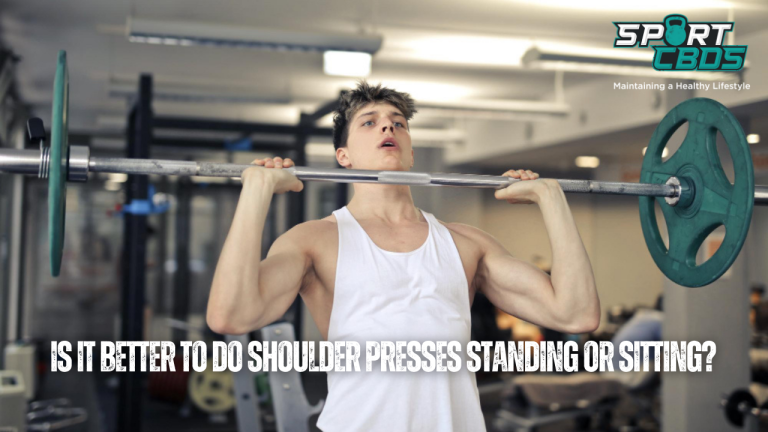
The standing vs seated shoulder press debate doesn’t have a clear winner — both have genuine advantages depending on what you’re training for. Standing presses engage more of the body and challenge core stability, while seated presses offer better shoulder isolation and reduced injury risk. Here’s a full breakdown to help you decide which belongs in your programme, or whether you should be using both.
Do Face Pulls Work Traps? Everything You Need To Know
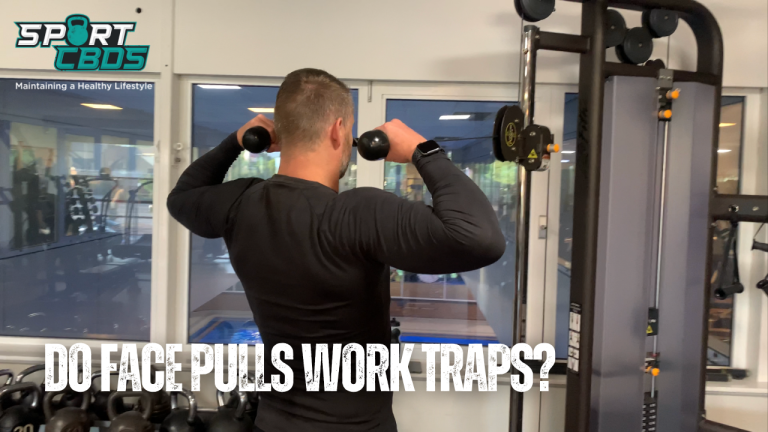
Face pulls are one of the most underrated exercises in the gym — and yes, they absolutely work your traps, along with your rear deltoids and rhomboids. The horizontal pulling angle engages different muscle fibres than vertical pulling exercises, making them a valuable addition to any back routine. Here’s how they work, how to do them correctly, and how to use them to build a stronger, more balanced upper back.
Why Is Shoulder Press So Hard To Progress? 7 Fixes For Progression
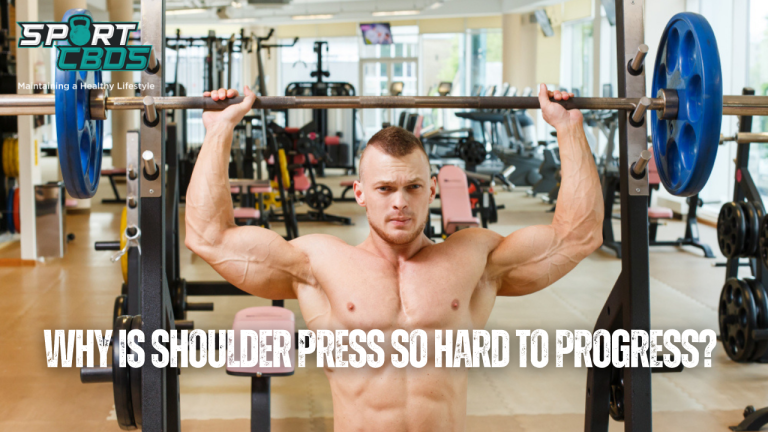
The shoulder press is one of the most notoriously slow-to-progress lifts in the gym — and there are clear reasons why. From poor shoulder mobility and weak scapular stabilisers to imbalanced programming and neglected accessory work, multiple factors conspire to stall your overhead press. Here are seven specific fixes that will get your shoulder press moving again.
Why Are My Shoulders So Narrow? Uncovering the Factors and Strategies for Improvement

If your shoulders look narrow, you’re not alone — and it’s rarely just one thing causing it. Genetics, clavicle length, body composition, muscle fibre type, and training habits all play a role. The good news is that targeted training can make a significant visual difference regardless of your bone structure. Here’s a full breakdown of the factors behind narrow shoulders and the strategies to improve them.
Do Lateral Raises Work the Traps as Well as Shoulders? All You Need To Know

Lateral raises are primarily a shoulder exercise — but the traps do get involved, just not in the way most people expect. Rather than being directly trained, the trapezius acts mainly as a stabiliser during the movement. If you’re hoping lateral raises will build your traps, here’s the honest truth and the exercises that will actually get the job done.
Why Is The OHP Considered Superior To The Bench Press? Find Out Here

The overhead press vs bench press debate has been running in gyms for decades — and while the bench press has its place, there’s a strong argument that the OHP delivers more across the board. From functional strength and shoulder health to core engagement and muscle recruitment, the OHP simply does more. Here’s the full case for why so many coaches and lifters rate the OHP above the bench.
Is Arnold Press Better Than Shoulder Press? Unlocking the Secrets to Massive Shoulders
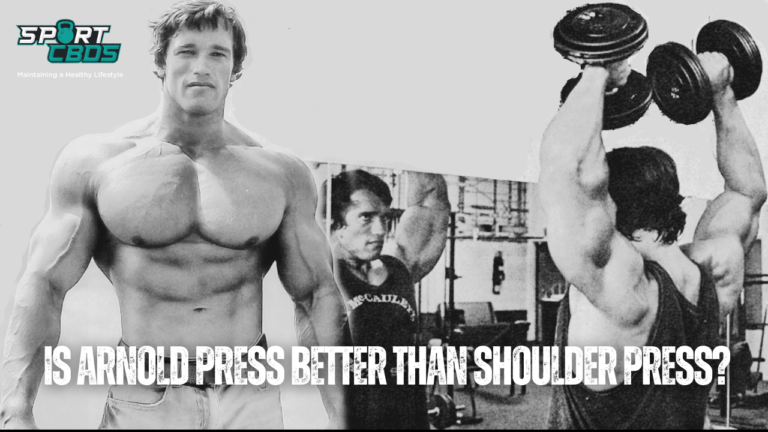
The Arnold Press and the standard shoulder press are both staples of shoulder training — but they’re not equal. The Arnold Press offers a greater range of motion, higher muscle activation across all three deltoid heads, and functional training benefits that the standard press doesn’t match. Here’s a full breakdown of both exercises, their pros and cons, and which one should take priority in your shoulder programme.
Does Shoulder Press Work Front Deltoids? All You Need To Know

The shoulder press is one of the most effective exercises for developing the anterior (front) deltoids — they’re the primary mover throughout most of the pressing motion. But how much emphasis lands on the front delts depends on your grip, variation, and technique. Here’s a thorough breakdown of how the shoulder press works the front deltoids and the adjustments you can make to target them more effectively.
Forearm Pain When Doing Lateral Raises? 11 Tips To Fix Issue

Lateral raises are a shoulder exercise — so forearm pain during the movement is a sign that something in your technique or conditioning needs attention. A tight grip, excessive wrist flexion, locked elbows, too much weight, and lack of warm-up are among the most common culprits. Here are eleven specific causes of forearm pain during lateral raises and the targeted fixes for each one.