


Lower back involvement during the overhead press is one of the most common technique complaints in shoulder training — and it’s almost always a correctable issue. Weak or tight surrounding muscles, excessive back arch, poor bracing, reduced shoulder mobility, and lifting too heavy are the main culprits. Here are ten specific reasons why your lower back is taking strain during the overhead press and what to do about each one.
Shoulders
Why Do I Feel Shoulder Press In My Forearms? 13 Tips To Reduce Pain
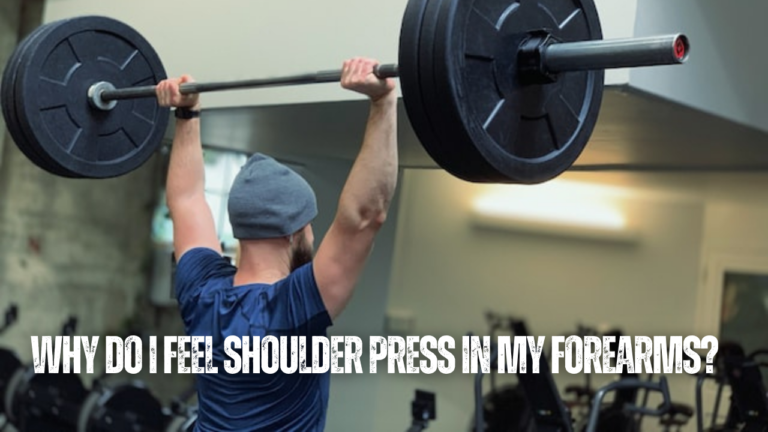
The shoulder press should challenge your deltoids — so if you’re feeling it predominantly in your forearms, something in your technique, grip, or muscle balance needs addressing. Tight grip, wrist extension, incorrect grip width, nerve tension, and weak forearms are the most common culprits. Here are thirteen specific tips to reduce forearm involvement during shoulder press and finally feel the exercise where it should be.
Wrist Pain From Lateral Raises? 9 Tips For Progress

Wrist pain during lateral raises is one of the most frequently reported discomforts in shoulder training — and it almost always comes down to something addressable. Wrist flexion, weak wrists, excessive grip tension, too much weight, and skipping the warm-up are the most common causes. Here are nine specific tips to understand why your wrists hurt during lateral raises and what to do about each one.
Should I Train Shoulders After Chest? 10 Things To Consider
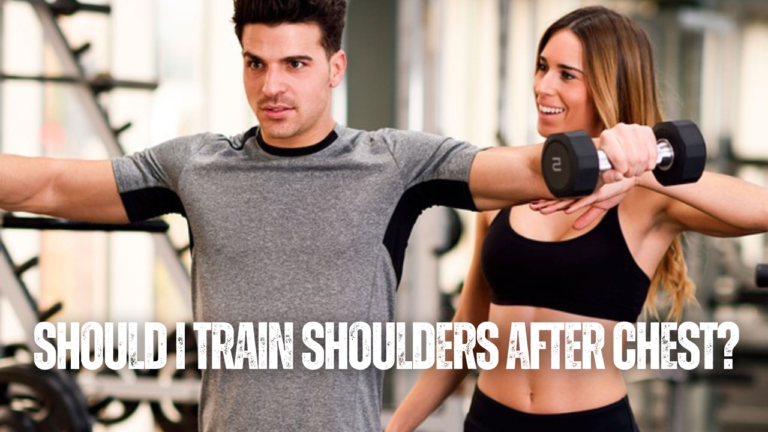
Training shoulders after chest is one of the most debated scheduling questions in upper body programming — and there’s no simple yes or no. Your deltoids are already partially fatigued from any chest pressing, and training them immediately after risks overtraining a smaller muscle group. Here are ten specific things to consider when deciding whether to train shoulders after chest, and a clearer framework for making the right call.
Why Do I Feel Shoulder Press In My Lats? 14 Things To Consider

Feeling your lats during the shoulder press isn’t always a sign something is wrong — your lats are genuine stabilisers during any overhead pressing movement. But if they’re dominating the exercise or causing discomfort, the causes usually include leaning back excessively, poor grip position, too much weight, tight lats, or weak shoulder muscles forcing compensation. Here are fourteen specific things to consider if you feel shoulder press in your lats and what to do about each one.
Why Is My Lateral Raise So Weak? Answers Here

The lateral raise looks deceptively simple — but it’s actually one of the hardest shoulder exercises to do well. Poor form, too much weight, shrugging, wrist flexion, fatigue, and the challenging leverage mechanics of the movement all contribute to weakness. Here’s a thorough breakdown of why your lateral raise is so weak and the specific adjustments that will help you make real progress with it.
Sore Glutes After Doing Overhead Press? Issue Solved
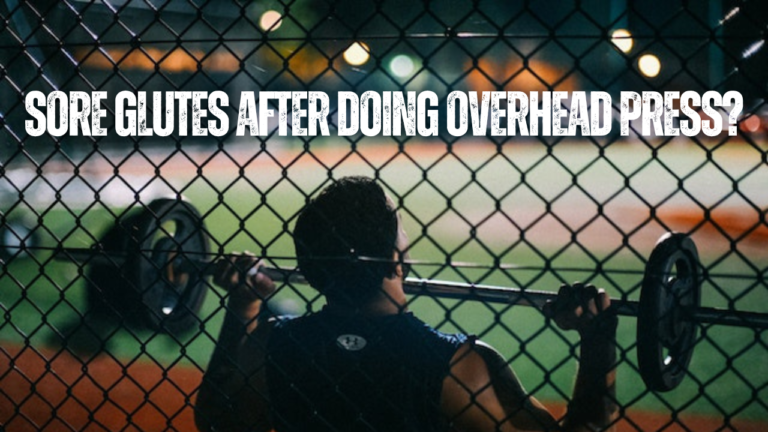
Sore glutes after an overhead press is a surprisingly common complaint — and while it might seem like an odd place to feel it, there are clear reasons why it happens. Weak glutes, weak core, poor hip mobility, incorrect form, insufficient warm-up, and previous lower body sessions are among the most frequent causes. Here’s a thorough breakdown of why your glutes are sore after overhead pressing and what to do about each cause.
Wrist Pain From Overhead Press? Find Out How To Fix Here

Wrist pain during the overhead press can stop a shoulder session in its tracks — and it’s almost always down to something correctable. Wrist extension, incorrect grip width, gripping too hard, bar placement in the hand, too much weight, and weak wrists are the most common causes. Here’s a thorough breakdown of why your wrists hurt during overhead press and the specific fixes that will protect your joints going forward.
Does Shoulder Press Work Side Delts? Find Out Here

The shoulder press is an excellent compound movement — but it primarily targets the anterior deltoid, with the lateral (side) deltoid getting a supporting role rather than the starring one. If building wider, rounder shoulders is your goal, understanding this distinction matters. Here’s a thorough breakdown of how much shoulder press works the side delts, which grip variations help most, and which supplementary exercises will round out your shoulder development properly.
Does Shoulder Press Work Your Traps? All You Need To Know Here
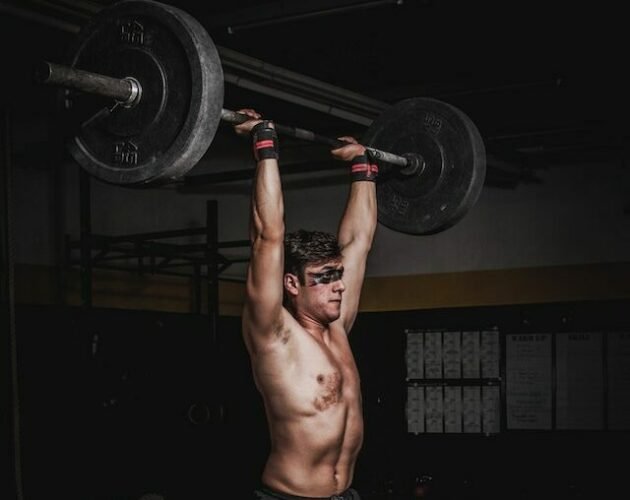
The shoulder press does activate your traps — but in a secondary, stabilising capacity rather than as the primary target muscle. As the scapula rotates during the press, the traps work both eccentrically and concentrically to guide and stabilise the load. Here’s a thorough breakdown of how and why the shoulder press involves the traps, what its limitations are for trap development, and which exercises will build them most effectively.