


Deadlifts and squats are often treated as separate movements, but the truth is they complement each other more than most people realise. Deadlifts develop the posterior chain, core stability, and grip strength that your squat desperately needs. Here’s a detailed breakdown of exactly how deadlifts carry over to squat performance and why you should be doing both.
Legs
Is One Leg Day a Week Enough? All The Answers Right Here
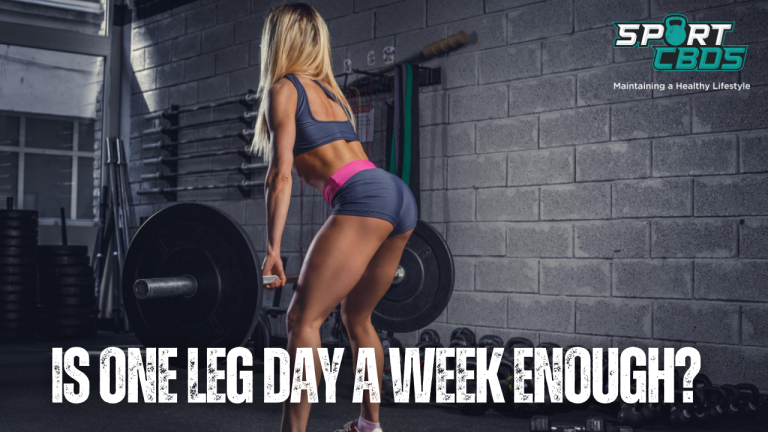
One leg day a week can work — but whether it’s enough depends entirely on what you’re training for. For strength maintenance it might be fine, but for muscle growth and athletic performance, most people need more frequency to see real progress. Here’s a thorough breakdown of leg training frequency, the factors that matter, and how to structure your leg days for the best results.
Are Front Squats Harder to Do Than Back Squats? Find Out Here

Most people find front squats significantly harder than back squats — and there are clear mechanical reasons why. The front-loaded bar position demands more core stability, thoracic mobility, and wrist flexibility, while limiting how much weight you can comfortably lift. But harder doesn’t necessarily mean better. Here’s a thorough comparison of both squat variations to help you decide which belongs in your training.
Why Do My Knees Hurt When Doing Leg Press? 10 Easy Adjustments

Knee pain on the leg press machine is one of the most frequently reported issues in lower body training — and it’s almost always the result of something fixable. Poor form, incorrect foot placement, excessive weight, and pre-existing conditions can all contribute. Here are ten practical adjustments that will eliminate the pain and let you get the most from this valuable exercise.
Why Do I Feel Deadlifts In My Calves? Everything You Need To Know
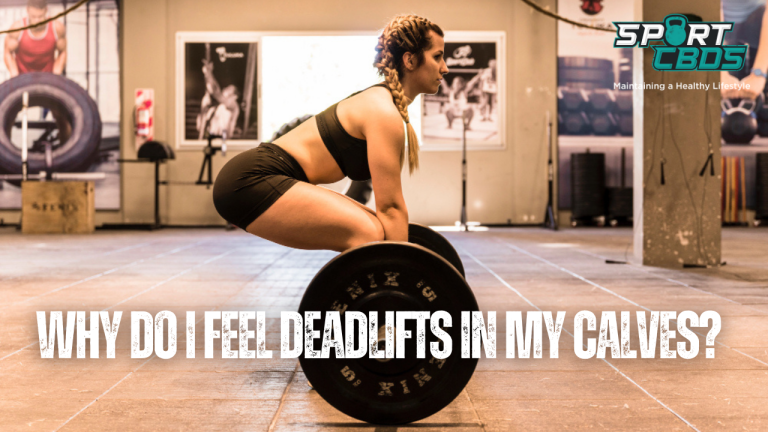
Feeling your calves during deadlifts isn’t what the exercise is designed for — and if they’re taking significant strain, something in your form, flexibility, or muscle balance needs attention. From sciatic nerve tension and fascial restrictions to barbell position and footwear, there are multiple potential causes. Here’s a thorough breakdown of why your calves are getting involved and the targeted fixes to address each one.
Why is Leg Day So Much More Exhausting Than Other Workout Days and Why You Should Never Skip It
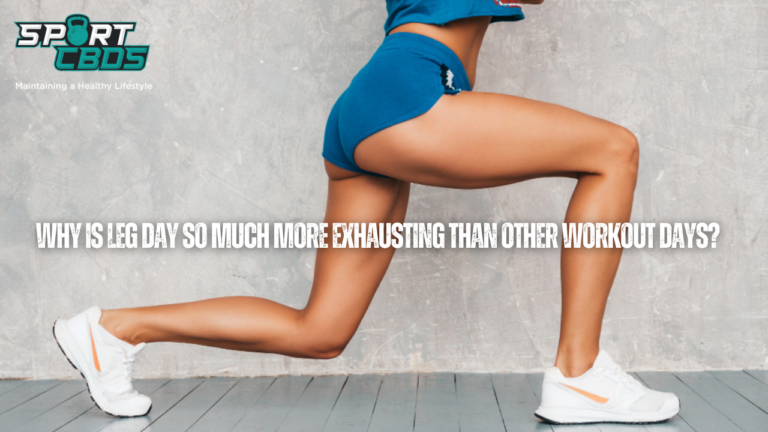
There’s a reason leg day has a reputation for being the most brutal session of the week — and it goes beyond just mental dread. The sheer size of the muscle groups involved, the energy demands of compound movements like squats and deadlifts, and the elevated metabolic response all combine to make leg day uniquely exhausting. Here’s the science behind why it hits harder and why skipping it is never a good idea.
Why Do Squats Give Me A Headache? All You Need To Know
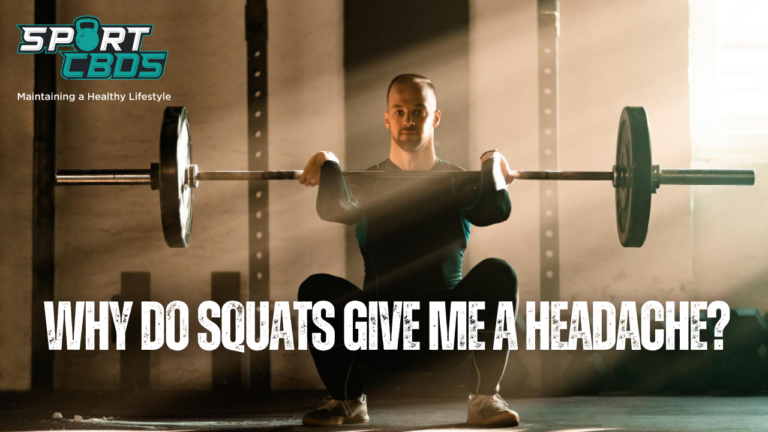
Headaches during or after squats are frustrating — especially when you’re pushing hard and making progress. The causes range from the Valsalva maneuver and poor form to dehydration, low blood sugar, and sudden changes in blood pressure. Most squat-induced headaches are preventable once you understand what’s triggering them. Here’s a thorough breakdown of the causes, the difference between primary and secondary exercise headaches, and exactly what to do about it.
Why Do I Feel Deadlifts In My Hamstrings? 12 Crucial Things To Consider

Feeling your hamstrings during deadlifts is completely normal — they’re one of the primary muscles driving hip extension throughout the lift. But if your hamstrings are dominating and your glutes aren’t contributing, form, barbell positioning, or muscle imbalances could be the issue. Here are twelve specific factors to consider if you’re wondering why your hamstrings take the brunt of your deadlift sessions.
Does Working Your Legs Improve Your Upper Body? Answers Here

It might seem counterintuitive, but working your legs can have a genuine positive impact on your upper body. The hormonal response triggered by heavy compound leg work, the neurological stimulus it creates, and the core and stabiliser engagement involved all contribute to improvements across the whole body. Here’s the science behind why leg training benefits your upper body and how to make the most of it.
Why Is My Leg Press So Much Stronger Than My Squat? Find Out Here
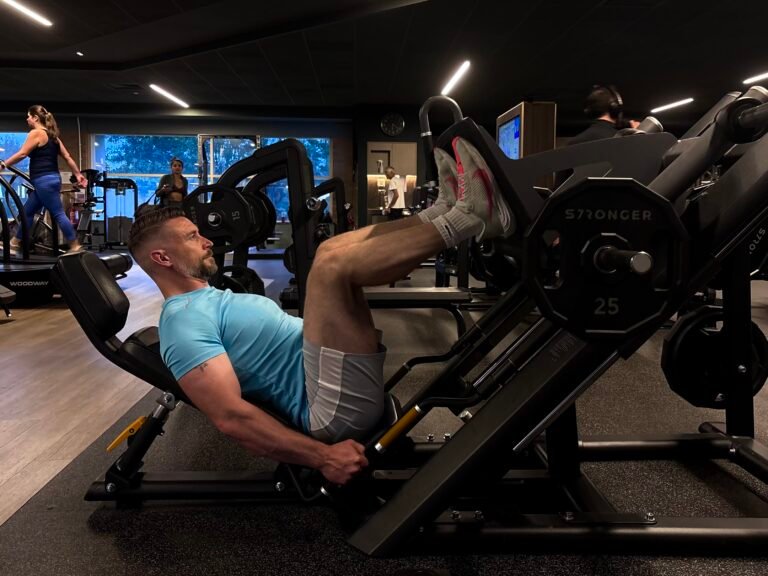
A significant gap between your leg press and squat numbers is extremely common — and it’s not a sign that something is wrong. The two exercises are fundamentally different in terms of stability requirements, CNS demand, body weight loading, range of motion, and the muscles they recruit. Here’s a clear breakdown of why your leg press is so much stronger than your squat and what to do to close the gap.