

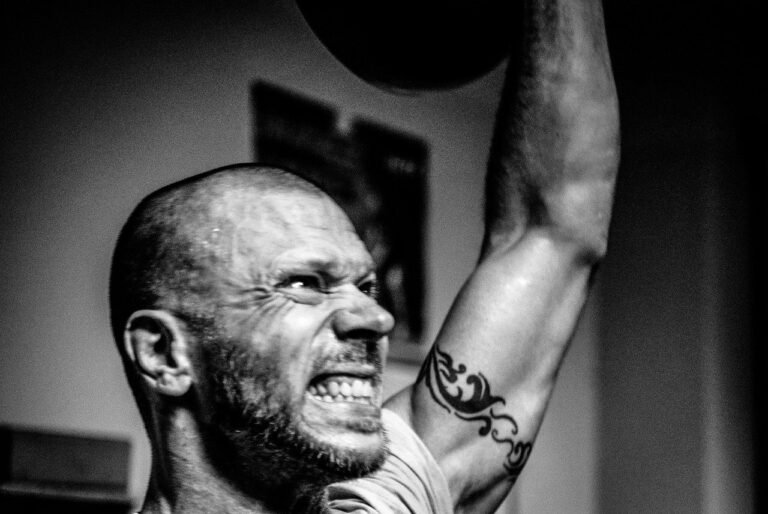
Forearm pain from kettlebell training is one of the most common complaints for new users — and it almost always comes down to being unfamiliar with how kettlebells move. Swinging too hard, gripping too tightly, not cushioning the bell when racking, the offset centre of mass, and pre-existing injuries are the four main causes. Here’s a thorough breakdown of exactly why kettlebells hurt your forearms and the practical adjustments that will fix it.
Fitness
Why Do Kettlebells Feel Heavier Than Dumbbells? (Here’s 5 Reasons Why)
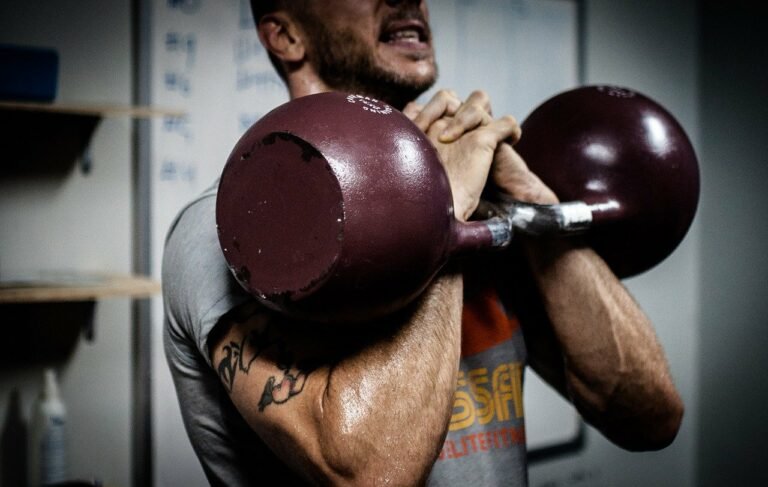
If you’ve picked up a kettlebell for the first time and wondered why it feels so much heavier than a dumbbell of the same weight, you’re not imagining it. The offset centre of mass, the way momentum shifts during ballistic movements, the smooth handle grip, varying handle thickness, and the compound nature of kettlebell exercises all contribute to the sensation of extra weight. Here are five clear reasons why kettlebells feel heavier than dumbbells and what it means for your training.
How To Do Pull Ups At Home Without A Bar, 4 Wonderful Tips

Pull-ups are one of the best back exercises you can do — but you don’t need a bar to work the same muscles effectively at home. Australian pull-ups under a table, towel door pull-ups, towel tension lat pulldowns, and elbow pull-ups are four practical alternatives that target the lats, traps, and upper back without any gym equipment. Here’s how to do each one correctly and get the most out of your back workout at home.
What Is A Kettlebell? The King Of Swingers

A kettlebell is one of the most versatile and effective pieces of fitness equipment you can own — and you only need one to get a complete full body workout combining strength and cardiovascular training. Originating in Russia and used by strongmen and athletes for over a century, the kettlebell builds strength, endurance, and grip in ways most equipment can’t match. Here’s a thorough introduction to what a kettlebell is, why it’s worth using, and how to get started safely.