

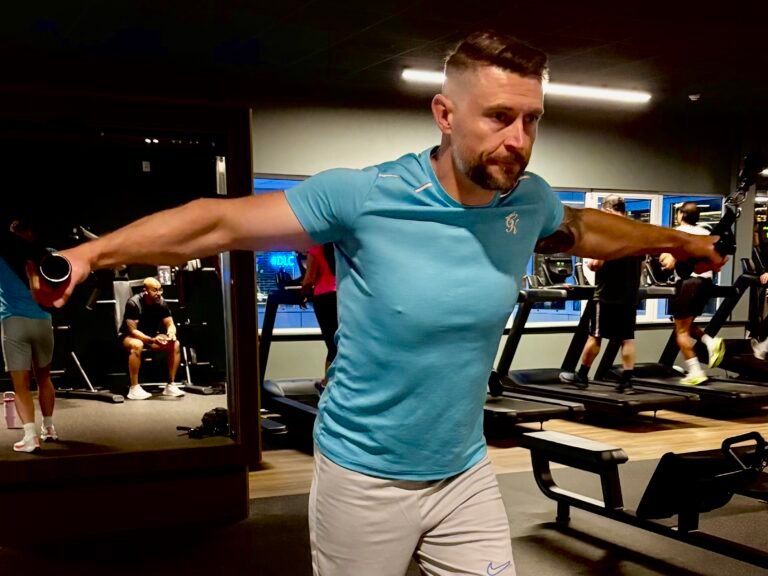
Struggling to feel your chest work during training? Here are 6 techniques — from slowing your reps to pressing lower on the pecs — to build a real mind-muscle connection.
Chest
Why Is My Inner Chest Not Growing? A Comprehensive Guide to Pectoral Development

The inner chest is one of the most frustrating areas to develop — and it’s rarely a genetics problem. Poor form, wrong exercise selection, lack of progressive overload, and failing to emphasise the squeeze at peak contraction are the most common culprits. Here’s a comprehensive guide to identifying what’s holding your inner chest back and the practical fixes to finally get it growing.
What Are the Benefits of The Pause Bench Press? Everything You Need To Know

Adding a brief pause at the bottom of your bench press might seem like a small adjustment — but it delivers significant benefits. From eliminating the bounce that lets you cheat the lift, to increasing time under tension and improving bar path, the pause bench press is one of the most effective technique variations you can add to your chest training. Here’s everything you need to know to get started.
Mastering The Machine Fly: Technique & Benefits For More Power

The machine fly — also known as the pec deck or butterfly machine — is one of the most effective tools for isolating the chest muscles and building definition and symmetry that compound pressing movements alone can’t deliver. Whether you’re a beginner or experienced lifter, understanding the technique, variations, and how to incorporate it properly can transform your chest training. Here’s everything you need to know.
Why Do I Feel Push Ups In My Shoulders? 11 Factors To Consider

Push-ups should primarily challenge your chest and triceps — so if your shoulders are taking the strain, your form or muscle balance needs attention. Flared elbows, poor hand placement, weak core engagement, and muscle imbalances are among the most common culprits. Here are eleven specific factors that cause shoulder dominance in push-ups and exactly what to do about each one.
Why Do I Feel My Armpit More the Day After Chest Workout? Causes, Prevention, and Remedies
Waking up with armpit soreness the day after chest day is a surprisingly common experience — and while it can feel alarming, it’s usually explainable. Several muscles that attach in the armpit region are heavily involved in chest exercises, making post-workout soreness in that area quite normal. Here’s exactly why it happens, when to be concerned, and how to prevent it from becoming a recurring issue.
Why Don’t I Feel a Pump in My Chest? Answers Here

That satisfying chest pump is more than just a feeling — it’s a sign your pecs are actually doing the work. If you’re training hard but not feeling it in your chest, there are several specific reasons why: poor mind-muscle connection, insufficient warm-up, form errors, and lack of exercise variety are the most common. Here’s a detailed breakdown of each cause and how to fix it.
Is It Ok To Do Push Ups After Chest Day? 12 Crucial Factors To Consider

The push-ups-after-chest-day debate doesn’t have a simple yes or no answer — it depends on recovery capacity, training goals, exercise intensity, and how your body is responding. For some it’s fine, for others it’s counterproductive. Here are twelve specific factors to weigh up when deciding whether push-ups belong in your routine the day after an intense chest session.
Why Does My Chest Hurt When I Do Dips? (Causes and How to Fix It)
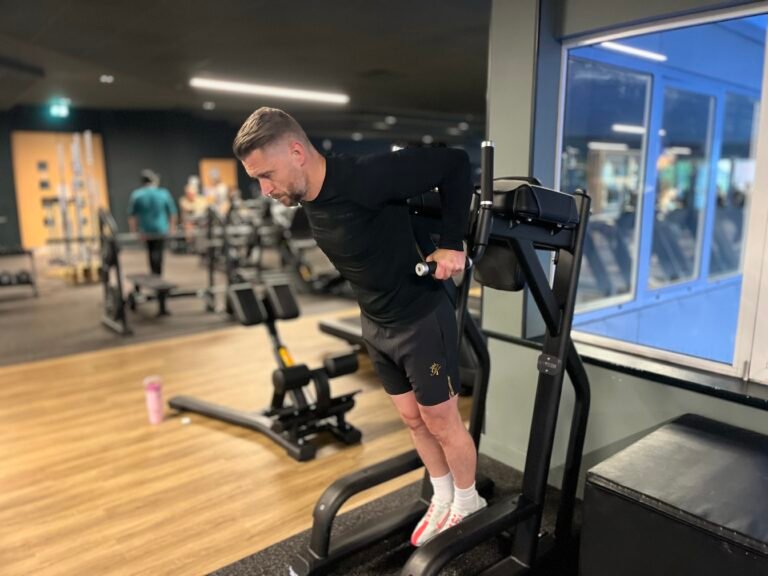
Chest hurting during dips? Here are the real causes — form, mobility, weak spots — how to fix them, and the warning signs that mean stop and get checked.
Why Do I Feel Bench Press In My Shoulders? Answers Here

The bench press should primarily challenge your chest — so if your shoulders are dominating, something is off with your setup or technique. Grip width, bar path, elbow flare, scapular engagement, and muscle imbalances are the most common culprits. Here’s a thorough breakdown of why you feel bench press in your shoulders and the practical adjustments that will shift the focus back to your pecs.