


A drop in bench press performance is one of the most frustrating setbacks in strength training — and it rarely comes down to just one cause. Overtraining, injuries, form issues, lack of progressive overload, poor recovery, and muscle imbalances can all contribute to a declining bench. Here are sixteen specific factors to consider if you can’t bench press as much as before, and practical fixes for each one.
Chest
Why Do My Palms Hurt While Doing Push Ups? 11 Tips To Fix Issue

Palm pain during push-ups can stop a solid bodyweight workout in its tracks — and it’s almost always down to something correctable. Wrist flexibility, grip technique, form errors, surface choice, and repetitive strain are among the most common causes. Here are eleven specific tips to identify why your palms hurt during push-ups and the practical adjustments that will let you train comfortably.
Forearm Pain When Doing Dips? 11 Tips To Help Fix

Forearm pain during dips is one of those issues that can derail an otherwise effective upper body workout — and it’s almost always down to something correctable. Wrist extension, flared elbows, weak forearms, poor grip, fatigue, and tight muscles are the most common causes. Here are eleven specific tips to understand why your forearms hurt during dips and what to do to fix each one.
Should I Train Chest If My Triceps Are Sore? 10 Things To Consider

The question of whether to train chest with sore triceps is one every lifter faces eventually — and the right answer depends on how sore, why they’re sore, and what your training history looks like. A mild dull ache is usually manageable with a few adjustments; sharp pain is a different story. Here are ten specific things to consider when making that call, along with practical alternatives if you decide to modify your session.
One Pec Is Bigger Than The Other? 10 Tips To Help Fix

Having one pec noticeably bigger than the other is more common than most gym-goers realise — and it’s rarely just a cosmetic issue. Dominant side favouritism, genetics, injury, poor form, range of motion limitations, and lack of unilateral training are among the most frequent causes. Here are ten specific tips to understand why the imbalance exists and what you can do to bring both pecs closer to symmetry.
Is Bench Press Enough For Your Chest? 10 Things To Consider
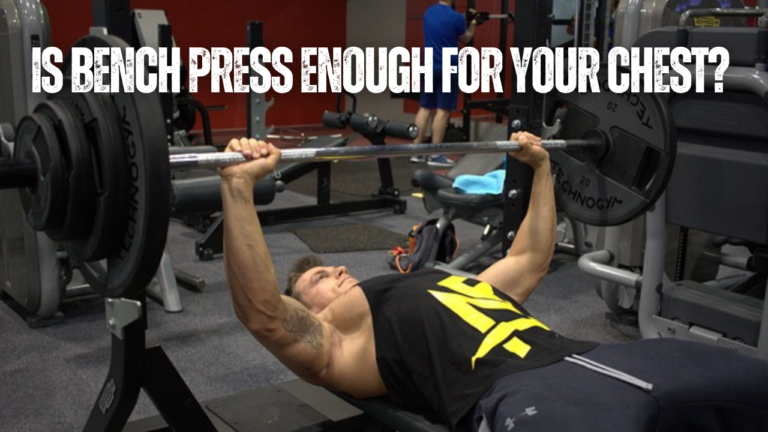
The bench press is one of the most effective chest exercises available — but whether it’s enough on its own depends on what you’re actually trying to achieve. For raw strength it can be sufficient, but for balanced chest development, targeting different angles and preventing overuse wear and tear, more variety is almost always beneficial. Here are ten specific things to consider when deciding if bench press alone is enough for your chest training.
Why Do I Feel Dumbbell Chest Flys In My Shoulders? Find Out Here
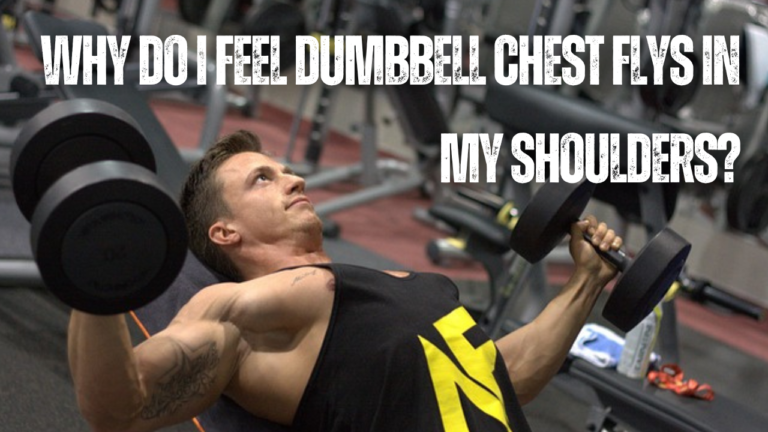
Dumbbell chest flys should be a chest exercise — so if your shoulders are dominating, something in your technique needs addressing. Lifting too high, rounding the shoulders, lack of scapular engagement, incorrect elbow bend, and poor mind-muscle connection are the most common causes. Here’s a thorough breakdown of why you feel chest flys in your shoulders and the specific adjustments that will finally get your pecs doing the work.
Are Dips And Push Ups Enough For Chest Development? Find Out Here

Dips and push-ups are excellent chest exercises — but whether they’re enough depends entirely on your goals. For beginners and those training without equipment they can take you a long way, but for size, definition, and targeting different areas of the chest, variety and progressive overload become essential. Here’s a thorough breakdown of what dips and push-ups deliver for chest development and what you’d need to add to go further.
Why Does My Collarbone Hurt After Chest Workout? Everything You Need To Know

Collarbone pain after chest training is more common than most people realise — and while it’s often down to something correctable like grip width, bar path, or lifting too heavy, it can occasionally point to something that needs medical attention. Distal clavicular osteolysis, AC joint issues, rotator cuff tendonitis, and previous injuries are among the conditions that can contribute. Here’s a thorough breakdown of why your collarbone hurts after a chest workout and when to seek professional advice.
Why Do I Feel My Lats When Doing Push Ups? Problem Solved For Rapid Progress
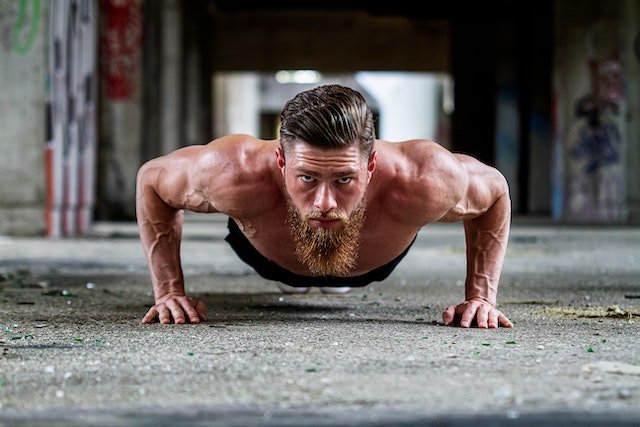
Feeling your lats during push-ups is more common than most people expect — and it’s not always a bad thing. Your lats are genuine stabilisers during the movement, but if they’re dominating the exercise, it usually points to a form issue, muscle imbalance, hand position problem, or restricted range of motion. It might not even be your lats at all — the teres major, rhomboids, and serratus anterior are often the culprit. Here’s a thorough breakdown of what’s going on and how to address it.