

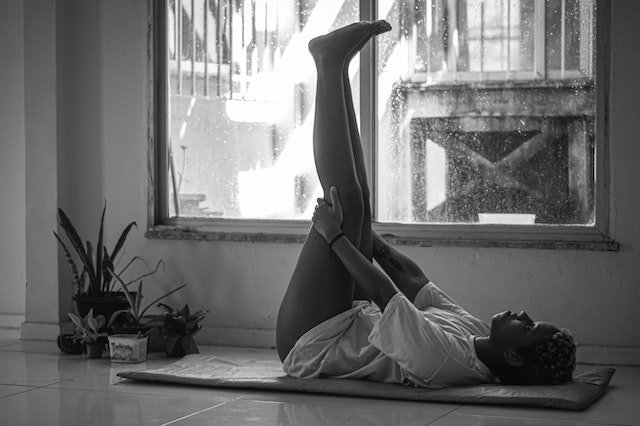
If lying leg raises are burning your legs and hips rather than your abs, your core isn’t the one doing the work — and there are specific reasons why. Hip flexor dominance, poor technique, not keeping the back flat, using hands as leverage, tight hamstrings, and weak core muscles are the most common causes. Here’s a thorough breakdown of why lying leg raises hurt your legs more than your abs and what to adjust to fix it.
Lee
Is It Normal To Be Weaker Some Weeks? Everything You Need To Know
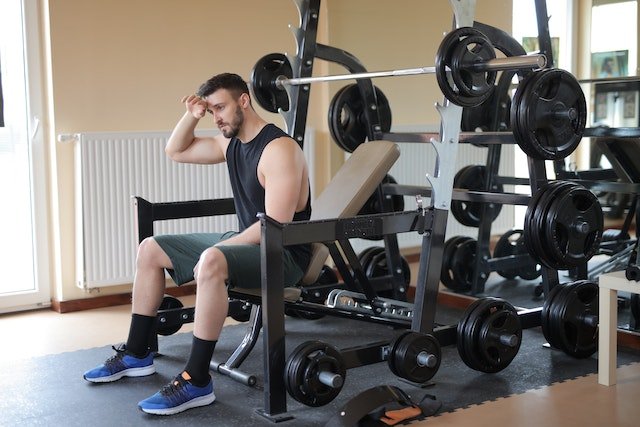
Having weeks where your strength dips and your workouts feel harder than usual is a normal part of training — and it rarely means your fitness is going backwards. Recovery quality, stress, hydration, nutrition, training volume, lifestyle habits, and even the weather can all contribute to temporary drops in performance. Here’s a thorough breakdown of why you feel weaker some weeks and the practical steps to minimise how often it happens.
20 Minute Full Body Dumbbell Workout – No2, EMOM Workout

This 20-minute full body dumbbell EMOM workout covers 9 exercises across two rounds, targeting legs, glutes, back, shoulders, chest, and arms in a single session. From squat and press to deadlift and row, skull crushers and dumbbell swings, every major muscle group gets attention. All you need is a pair of dumbbells and 20 minutes — follow along with the video and give it everything you’ve got.
Why Do I Feel Lat Pulldowns In My Chest? Problem Solved For Better Gains
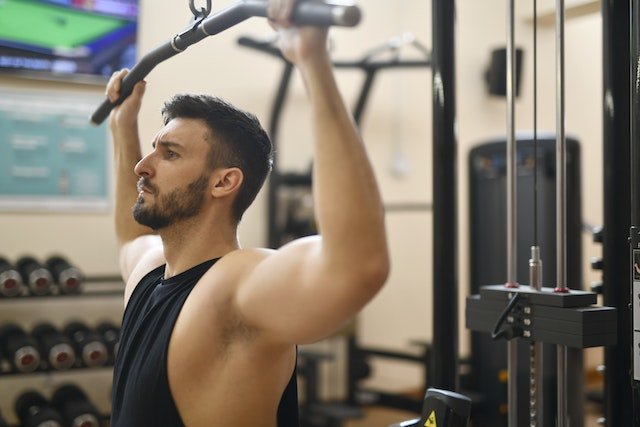
Feeling lat pulldowns in your chest is a sign that your lower pecs are being recruited as stabilisers more than they should be — and it’s almost always down to technique. Too much weight, jerking the bar, leaning back too far, incorrect grip, lowering the bar too far, and training chest before back are the most common causes. Here’s a thorough breakdown of why you feel lat pulldowns in your chest and the specific adjustments that will fix it.
Why Do I Feel Bicep Curls In My Glutes? Get To The Bottom Of Issue Here
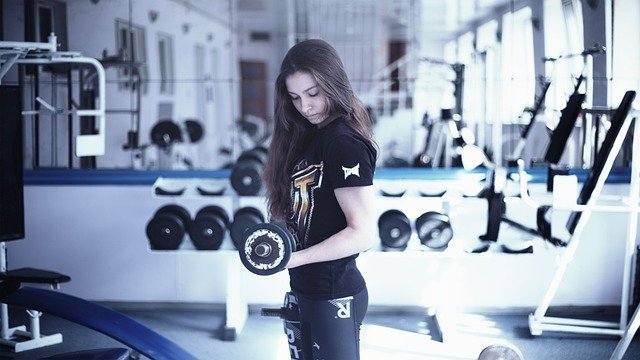
Feeling bicep curls in your glutes is a sign that your posterior chain is compensating for a load your biceps can’t properly control — and it almost always comes down to form breaking down under too much weight. Hip thrusting, flared elbows, rounded shoulders, a weak core, and going too heavy are the most common culprits. Here’s a thorough breakdown of why you feel bicep curls in your glutes and exactly what to change to fix it.
Why Is Dumbbell Bench Press Harder Than Barbell Bench Press? Find Out Here

If dumbbell bench press feels significantly harder than the barbell version despite using less weight, you’re not imagining it. Greater instability, independent load control, increased range of motion, highlighted muscle imbalances, and the challenge of initiating the lift all make dumbbells more demanding. Here’s a thorough breakdown of exactly why dumbbell bench press is harder than barbell bench press and what it means for your training.
Does Shoulder Press Work Your Traps? All You Need To Know Here
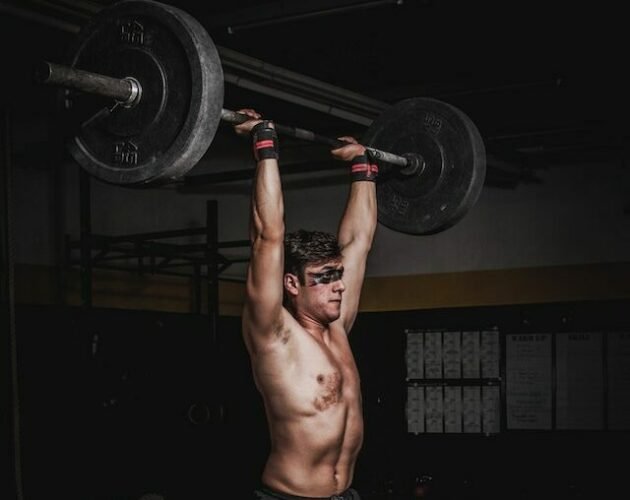
The shoulder press does activate your traps — but in a secondary, stabilising capacity rather than as the primary target muscle. As the scapula rotates during the press, the traps work both eccentrically and concentrically to guide and stabilise the load. Here’s a thorough breakdown of how and why the shoulder press involves the traps, what its limitations are for trap development, and which exercises will build them most effectively.
Why Do Squats Feel Like Cardio? Everything You Need To Know

If you finish a heavy set of squats feeling like you’ve just done a sprint session, you’re not imagining it — there’s solid physiology behind it. Large muscle group activation, anaerobic energy expenditure, whole-body engagement, oxygen deficit, and the sheer energy cost of moving a heavy load all drive your heart rate up rapidly. Here’s a thorough breakdown of why squats feel like cardio and what’s actually happening in your body during those brutal sets.
Why Do My Hip Flexors Hurt When I Do Ab Workouts? 16 Tips To Fix The Issue
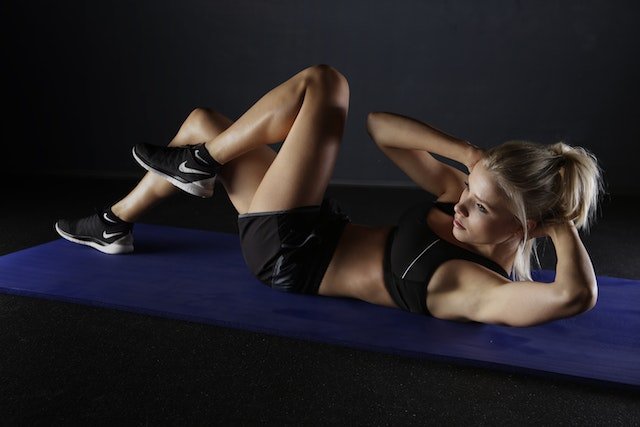
Hip flexor pain during ab exercises is one of the most common complaints in core training — and it usually means the hip flexors are compensating for a core that isn’t doing its job. Weak core muscles, poor form, tight hips, muscle imbalances, overtraining, and a sedentary lifestyle are among the most frequent causes. Here are sixteen specific tips to understand why your hip flexors hurt during ab workouts and how to fix the issue properly.
Does Being Taller Make You Stronger? The Long And Short Of It
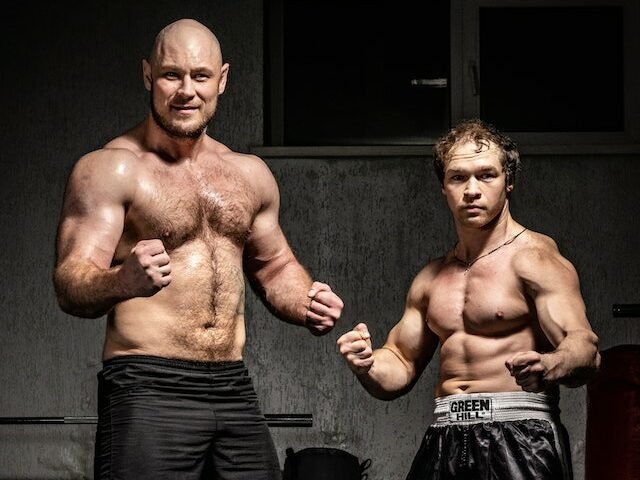
The relationship between height and strength is more nuanced than most people realise — and the answer isn’t simply yes or no. Longer bones can provide leverage advantages in some lifts, but also create greater distances to travel and higher centres of gravity. Genetics, body composition, tendon length, and range of motion all factor in. Here’s a thorough breakdown of how being taller affects strength and why shorter people often have their own significant advantages.