


Feeling weak in the gym is one of the most discouraging experiences in fitness — and it almost always has an identifiable cause. Age, poor form, lack of direction, inconsistency, diet gaps, inadequate rest, and the mental side of training all contribute. Here are twelve specific reasons why you might feel weak when weightlifting and the practical steps to address each one and start building genuine strength.
Fitness
Are Slow Reps More Effective Than Fast Explosive Reps? Find Out Here
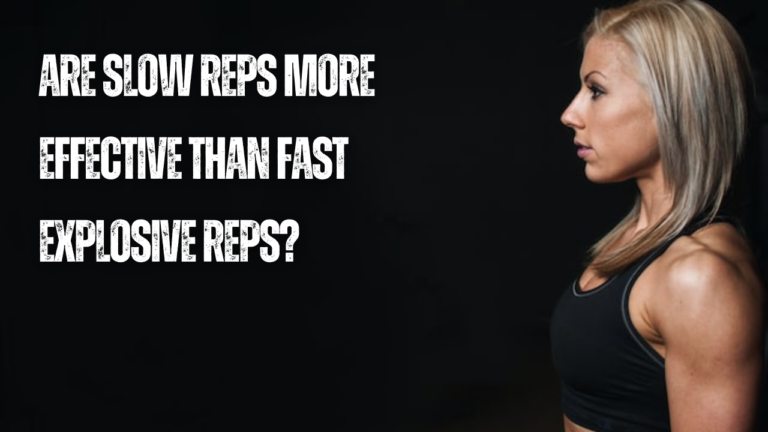
The slow reps vs fast reps debate doesn’t have a single answer — it comes down to what you’re training for. Slow reps increase time under tension, improve form, and are excellent for hypertrophy. Fast explosive reps develop power, speed, and recruit fast-twitch muscle fibres. Here’s a thorough breakdown of both approaches, when to use each one, and why mixing them intelligently will give you the best results overall.
Why Am I Getting Weaker At The Gym? 17 Things To Consider

Feeling weaker in the gym than you used to is one of the most discouraging experiences in training — and it almost always has a root cause. Insufficient recovery, overtraining, poor nutrition, stress, loss of motivation, inadequate warm-up, and lifestyle factors can all drag your performance down. Here are seventeen specific things to consider if you feel like you’re getting weaker at the gym and what to do about each one.
Why Do I Only Feel Stronger In The Gym On Some Days? Answers Here
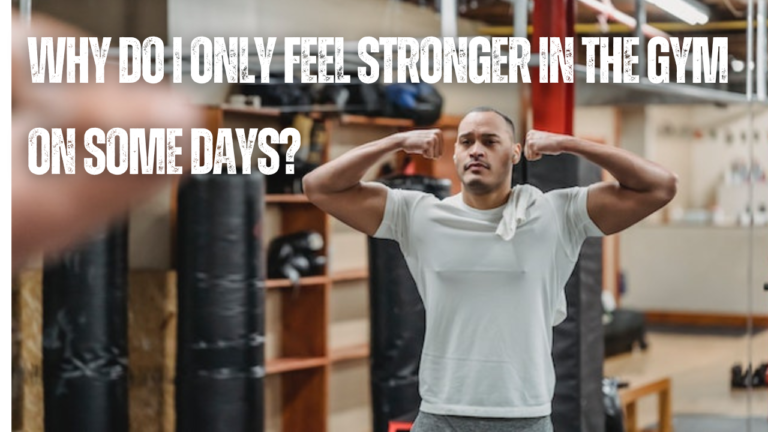
Feeling strong and capable one session then flat and weak the next is one of the most common experiences in training — and it’s rarely random. Nutrition, hydration, sleep quality, glycogen levels, stress, workout timing, and overtraining all directly affect how you perform on any given day. Here’s a thorough breakdown of why you only feel stronger in the gym on some days and the practical steps to make your good days more consistent.
Which Muscles Respond Better To High Reps? Answers Here
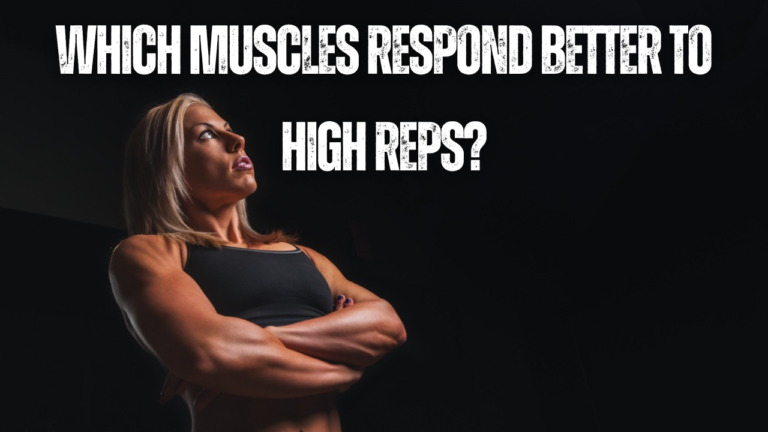
The high reps vs low reps debate isn’t just about preference — different muscle groups genuinely respond better to different rep ranges based on their fibre composition and function. Shoulders, arms, calves, glutes, and core muscles tend to respond well to higher reps, while chest, back, and hamstrings often respond better to heavier, lower-rep work. Here’s a thorough breakdown of which muscles respond better to high reps and the training principles behind it.
Does Being Taller Make You Stronger? The Long And Short Of It

The relationship between height and strength is more nuanced than most people realise — and the answer isn’t simply yes or no. Longer bones can provide leverage advantages in some lifts, but also create greater distances to travel and higher centres of gravity. Genetics, body composition, tendon length, and range of motion all factor in. Here’s a thorough breakdown of how being taller affects strength and why shorter people often have their own significant advantages.
Why Do I Lose My Mind Muscle Connection When I Lift Heavier Weights? Find Out Here
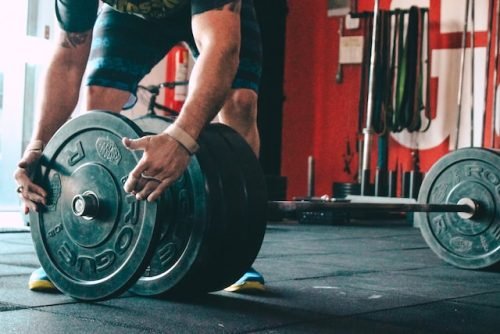
The mind-muscle connection is one of the most valuable tools in training — and one of the first things to suffer when the weight goes up. When you lift heavier, your body recruits more muscles, tightens up defensively, and releases stress hormones that divide your focus. Here’s a thorough breakdown of why you lose your mind-muscle connection with heavier weights and the specific strategies that will help you maintain it even as the load increases.
Why Do Some People Vomit When Lifting Heavy Weights? 14 Things To Consider

Feeling nauseous or actually vomiting during heavy lifting is more common than most people admit — and there’s real physiology behind it. Intra-abdominal pressure, blood sugar drops, dehydration, fight-or-flight hormones, overtraining, and eating too close to training are among the most common triggers. Here are fourteen specific things to consider if you feel sick when lifting heavy weights and what you can do to prevent it.
Why Does Shouting Make It Easier To Lift Heavy Weights? Roar Into Gains And Myths Explained

Shouting during a heavy lift isn’t just theatrical — there’s real physiology behind why it works. Adrenaline release, the Valsalva manoeuvre, muscular irradiation, diaphragmatic breathing, increased intra-abdominal pressure, and primal nervous system activation all contribute to the performance boost. Here’s a thorough breakdown of why shouting makes it easier to lift heavy weights and the difference between useful controlled exhalation and gym performance art.
Want To Make Home Made Weight Plates? Save Money And Easy To Do
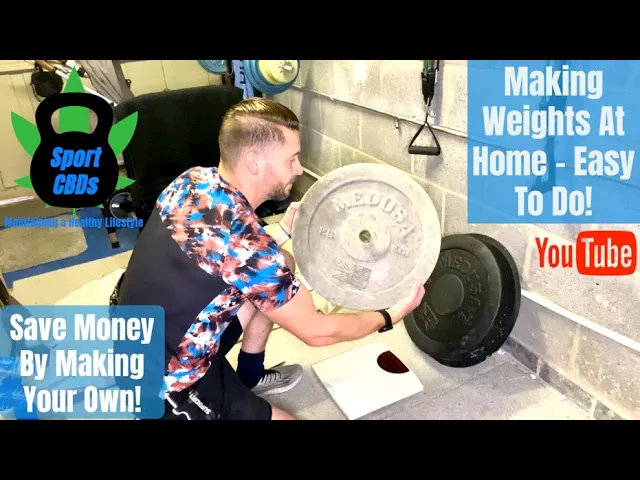
With gym equipment costs rising and home training becoming the norm, making your own concrete weight plates is a practical and surprisingly straightforward project. All you need is ready mix concrete, ballast, a mould kit, and a few basic materials. Here’s a step-by-step guide to casting your own homemade weight plates that fit a standard 25mm or 50mm barbell — and save you a significant amount of money in the process.