

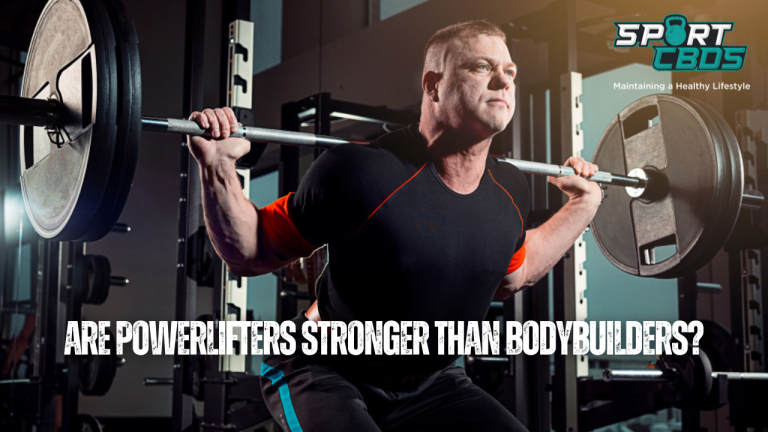
Powerlifters and bodybuilders both build impressive physiques, but they train for fundamentally different goals — and that creates very different kinds of strength. In terms of raw maximal strength in the squat, bench, and deadlift, powerlifters generally win. But the comparison is more nuanced than that. Here’s a proper breakdown of both disciplines and what the evidence actually shows.
Fitness
Can You Do Triceps After Shoulder Day? (Problem Solved)

Training triceps after shoulders on the same day is a common approach — and it can work well, since your shoulders are already warmed up and primed. But there are important considerations around fatigue, form, and workout order that will determine whether you get the best from both muscle groups. Here’s how to structure it properly so neither suffers.
Is it Beneficial to Go to the Gym Every Day or Every Other Day?

Whether you should train every day or every other day isn’t a question with a single right answer — it comes down to your goals, training intensity, and how well your body recovers. Both approaches can work, but understanding recovery, progressive overload, and how to structure your week is what separates progress from burnout. Here’s a practical guide to finding the gym frequency that actually works for you.
Pumping Iron: What Should I Do When I Can’t Complete My Reps During a Workout?

Hitting a wall mid-set and failing to complete your reps is something every serious trainer experiences — and it doesn’t mean your workout has failed. It usually means your weight selection, recovery, or form needs attention. Here’s a practical guide to what you should do in the moment, how to adjust your training, and why failing a rep with good form is always better than grinding out bad ones.
The Pros and Cons To Lifting Everyday: What You Need To Know

Lifting weights every day sounds like a shortcut to faster gains — and for some people, it can be. But it also carries real risks around recovery, overtraining, and injury that are worth understanding before committing to a daily routine. Here’s a thorough, balanced look at the pros and cons of lifting every day and the key factors that determine whether it’s right for you.
Why Do Shoulders and Chest Recover Faster Than Biceps and Triceps?

If you’ve noticed your chest and shoulders feel recovered well before your biceps and triceps do, you’re not imagining it. Muscle size, fibre type composition, how frequently those muscles are used in daily life, and the type of exercises that train them all contribute to the difference in recovery speed. Here’s the science behind why larger muscle groups recover faster and what it means for how you programme your training.
Exploring the Bench Press to Shoulder Press Ratio: Importance, Standards, and Tips for Improvement

The bench press to shoulder press ratio is one of the most useful benchmarks in upper body strength training — yet most people have never thought about it. Generally, your shoulder press should sit around 60–70% of your bench press. Knowing your ratio helps identify muscle imbalances, guide your programming, and ensure proportional development across your upper body. Here’s everything you need to know.
Is It Better To Workout In Sets Or Until Failure? Answers Here

The sets vs training to failure debate is one of the most discussed topics in strength training — and the honest answer is that both have a place depending on your goals, experience level, and recovery capacity. Training to failure drives intensity but carries real risks; structured sets offer control and consistency. Here’s a thorough breakdown of both methods and how to combine them intelligently for the best long-term results.
I Look Muscular But Have No Strength! Help Here

Having visible muscle but poor functional strength is a genuine and frustrating gap — and it usually comes down to the difference between training for size and training for strength. Muscle mass is a structural adaptation; strength is a nervous system adaptation. Here’s a thorough breakdown of why you can look muscular but still lack real strength, and the specific changes to training, diet, and intensity that will close that gap.
Why Do I Feel Weaker When I Workout In The Morning? 13 Vital Tips

Morning workouts can feel significantly harder than afternoon or evening sessions — and there’s solid science behind why. Cold muscles, a low-functioning CNS, reduced blood glucose, lower body temperature, and disrupted circadian rhythm all contribute to that sluggish, weaker feeling early in the day. Here are thirteen specific reasons why you feel weaker training in the morning and the practical fixes that will transform your early sessions.