


Triceps make up roughly two-thirds of your upper arm — so skipping them is a bigger deal than most people realise. While they do get some work in compound pressing movements, that’s rarely enough for balanced development and optimal pushing strength. Here’s the case for keeping triceps in your programme and exactly what you risk by leaving them out.
Arms
Is It Better To Do Bicep Curls Standing or Sitting? Find Out Here

The standing vs seated bicep curl debate doesn’t have a single winner — it depends on what you’re training for. Standing curls engage more stabiliser muscles and challenge your balance, while seated curls offer better bicep isolation and stricter form. Here’s a full breakdown of both variations, their pros and cons, and how to incorporate each effectively into your routine.
What Happens If You Only Train Biceps? The Brutal Truth Awaits

Training only your biceps might seem like a shortcut to bigger arms, but the reality is far less appealing. Muscle imbalances, postural problems, overtraining injuries, and a plateau in progress are all likely outcomes. Here’s a thorough breakdown of what actually happens when you neglect every other muscle group in favour of bicep work — and why a balanced approach always wins.
Why Do Reverse Curls Hurt My Wrists So Much? Everything You Need To Know

Reverse curls are excellent for building forearm and bicep strength — but wrist pain can stop people in their tracks. The culprits are usually poor wrist positioning, too much weight, loose wrist ligaments, or tight wrist extensors putting strain on the TFCC. Here’s a clear breakdown of why your wrists hurt during reverse curls and the practical fixes to address it properly.
Are Forearms Worth Training? All You Need To Know

Forearms are one of the most neglected muscle groups in training — yet they directly affect your grip strength, your performance in almost every upper body exercise, and your ability to handle everyday tasks. If your forearms are weak, everything else suffers. Here’s the case for making forearm training a priority and the most effective exercises to build real grip and forearm strength.
Why Do I Get Wrist Pain When I Do Bicep Curls and Skull Crushers?

Wrist pain during bicep curls and skull crushers is one of the most common complaints in arm training — and it almost always comes down to wrist alignment, technique, or underlying weakness. Whether it’s improper form putting strain on the joint or a TFCC issue developing from overuse, the causes are identifiable and treatable. Here’s everything you need to know to train pain-free and protect your wrists long term.
Can I Do Biceps After Back Day? Everything You Need To Know

Training biceps the day after back day is one of the most debated scheduling questions in the gym — and the answer isn’t as simple as yes or no. Because biceps are heavily involved in most back exercises, the timing and sequencing of these sessions matters more than most people realise. Here’s a thorough breakdown of the pros, cons, and alternative approaches so you can make the right call for your recovery and goals.
Will My Arms Grow Enough Only Doing Compound Exercises? Find Out Here
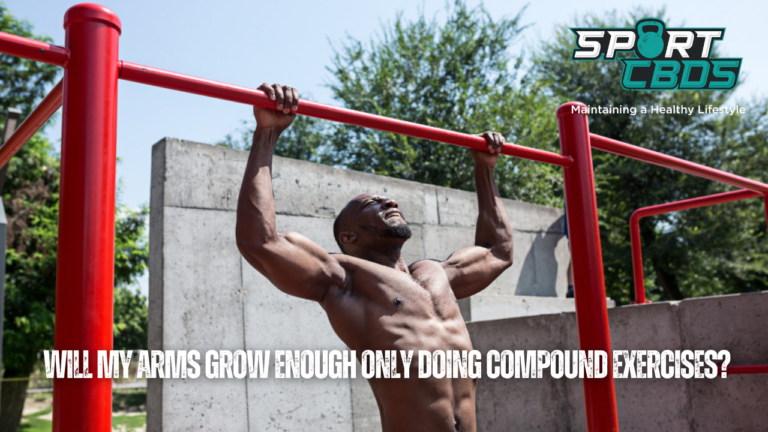
Compound exercises like pull-ups, rows, and bench press do stimulate the biceps and triceps as secondary muscles — and for beginners especially, this can drive meaningful arm growth. But whether compound work alone is enough depends on your goals, your current development, and how your arms are responding. Here’s the full picture on compound exercises and arm growth and when isolation work becomes necessary.
Why Do Biceps And Triceps Grow Slowly? 11 Factors To Consider

If your biceps and triceps seem to lag no matter how hard you train them, you’re not alone — and there are specific, identifiable reasons why arm muscles are slower to develop than larger muscle groups. From their smaller size and lower hypertrophy capacity to overtraining, poor form, and missing progressive overload, here are eleven factors contributing to slow arm growth and what to do about each one.
Not Seeing Any Bicep Progress? Everything You Need To Know

Hitting a wall with your bicep development is one of the most common frustrations in the gym — and there’s rarely just one cause. From plateaus and poor form to inadequate nutrition, overtraining, lack of progressive overload, and missed mind-muscle connection, the reasons can stack up. Here’s a thorough breakdown of everything that might be stopping your bicep growth and the practical fixes to get things moving again.